A Sensitive Generation: Intimacy In Modern Polish Photography
The year 2000 marked the dawn of an individualistic turn in Poland. It led to photographers taking an interest in their own lives and experiencing everyday life in their photography. This new theme for representing personal subjects required a new language, a language they found on the Internet.
Picture display
standardowy (864px desktop)
Karolina Zajączkowska from the Przedwiośnie book, photo: courtesy of the photographer
Picture image
przedwiosnie_53_web.jpg
Apart from their commercial and artistic activities, Poland’s photographic generation of 2005–2010 regularly posted photos on blogs. Many other artists blogged too: documentarians (Rafał Milach and Michał Łuczak), travellers (Bart Pogoda), photographers working for magazines (Michał Szlaga) and many freelancers (Anna Bajorek, Marcin Morawicki, Kuba Dąbrowski, Karol Grygoruk and others).
Looking back, we can conclude that the trend ended with the Blogspot exhibition (27th May –19th June 2011) organised in the Old Wire Factory in Gliwice, and the exhibition Film Obyczajowy Produkcji Polskiej (editor’s translation: Polish Drama Movies) organised by Kuba Dąbrowski marked its definite end. The event garnered lukewarm reviews, illustrating that the revolution had unpretentiously already occurred – in posts published on the Internet. It also demonstrated that not all visual languages belong on the walls of noble institutions. Sometimes, it’s just not worth it.
Concurrently with the blog art phenomenon, photographers centred around the Creative Arts Centre in Wrocław started publishing albums. Filip Zawada (Wooden Anniversary, 2011), Krzysztof Solarewicz (Przedostatni Stan Skupienia [editor’s translation: Penultimate State of Focus], 2010) and Łukasz Rusznica (The Most Important I Do Not Tell You At All, 2011) addressed their audience with absolute confidence and without any simplifications. The everyday ugly-beautiful photos they picked for their albums make up a consciously-chosen language. Solarewicz’s later publications, the book Labour published in 2016 and the I Put The Black Cat to Sleep exhibition presented in 2017 are further evidence of this.
Our selection here also includes other photographers who directed their camera lenses towards themselves and their closest surroundings in the last dozen years. Their style and approach to the medium have most probably been shaped by easy access to the entire canon of world photography. It’s clear their inspirations include Nan Goldin, Anders Petersen, Daido Moriyama and Larry Clark. Other than being aesthetic choices, most frequently these influences meant that they were more concerned with expressing emotions.
Yearning
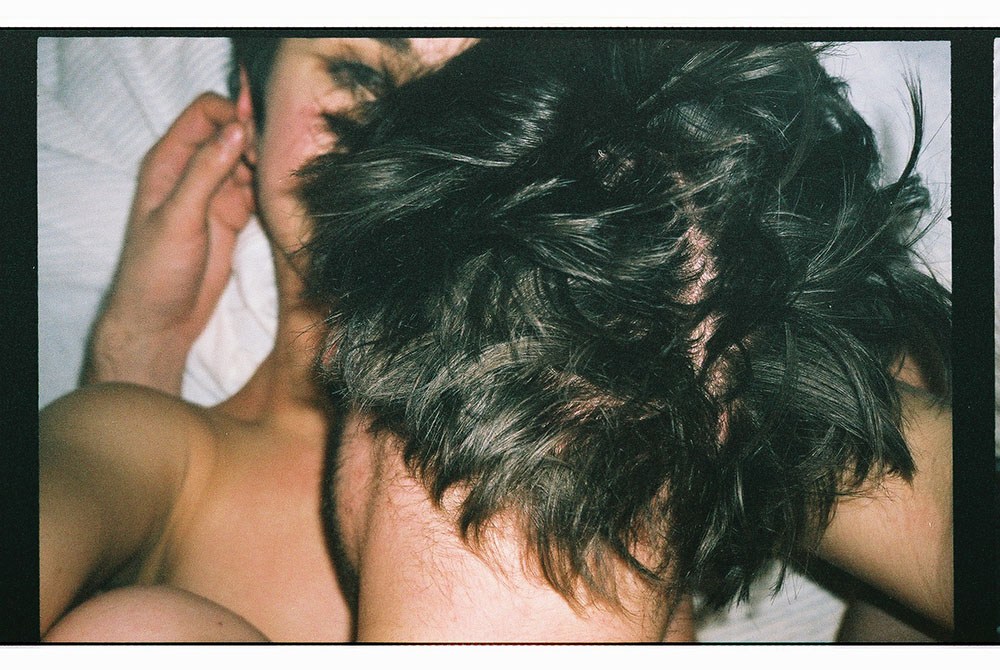
A photo by Kuba Dąbrowski, photos from the exhibition at Zachęta Gallery, photo: Zachęta
The blog Kuba Dąbrowski kept between 2005 and 2009 is a sentimental story about Poland, his girlfriend, and his family and friends. Over several years, he compiled a sizeable archive of heartfelt everyday photos. Captured with a compact film camera, his works are consistently lo-fi. After several years of blogging under the address accidentswillhappen.blogspot.com, he switched to a more professional profile. He was also the author of three photography books: Western (2010), Sweet Little Lies (2012) and 113,604 Stray Dogs (2013). He opened his debut book in the same, succinct style he had used on the Internet:
My name is Kuba. I’m a photographer. My girlfriend’s name is Monika. A winter with snow is better than a winter without snow. It’s more scenic.
Growing up
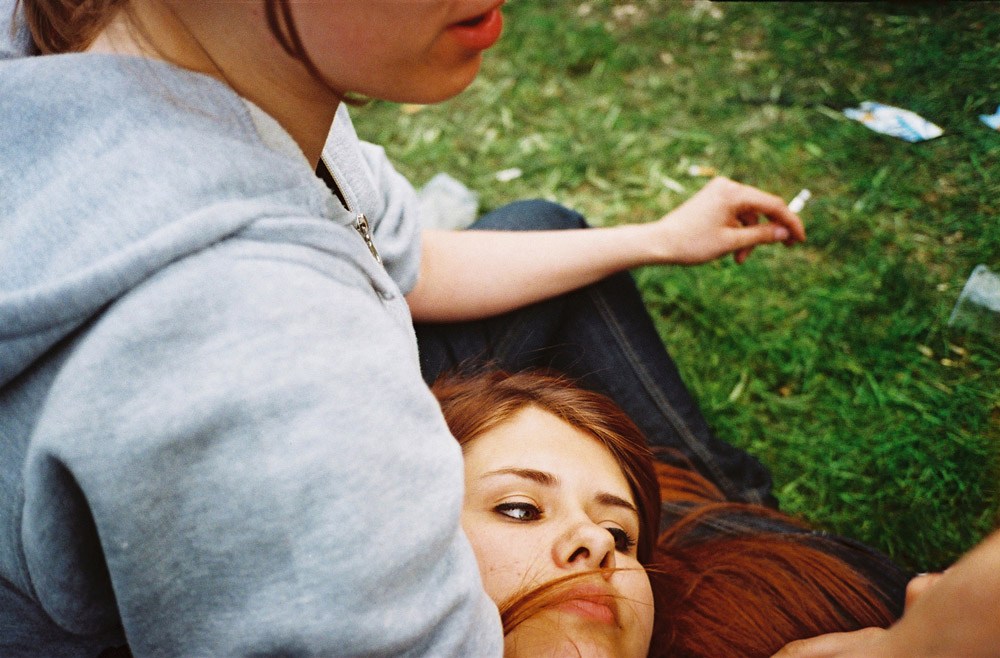
Karolina Zajączkowska from the Przedwiośnie cycle, photo by courtesy of the artist
The same year Dąbrowski’s Western debuted also saw the publication of Karolina Zajączkowska’s Przedwiośnie (editor’s translation: Early Spring) – a story of high school friends. The unique, ‘inside’ story captivates with its authenticity and vividness years later. As the author puts it: ‘it is a romantic story about the times when we were lost but also free.’ The book is available here.
Falling in love
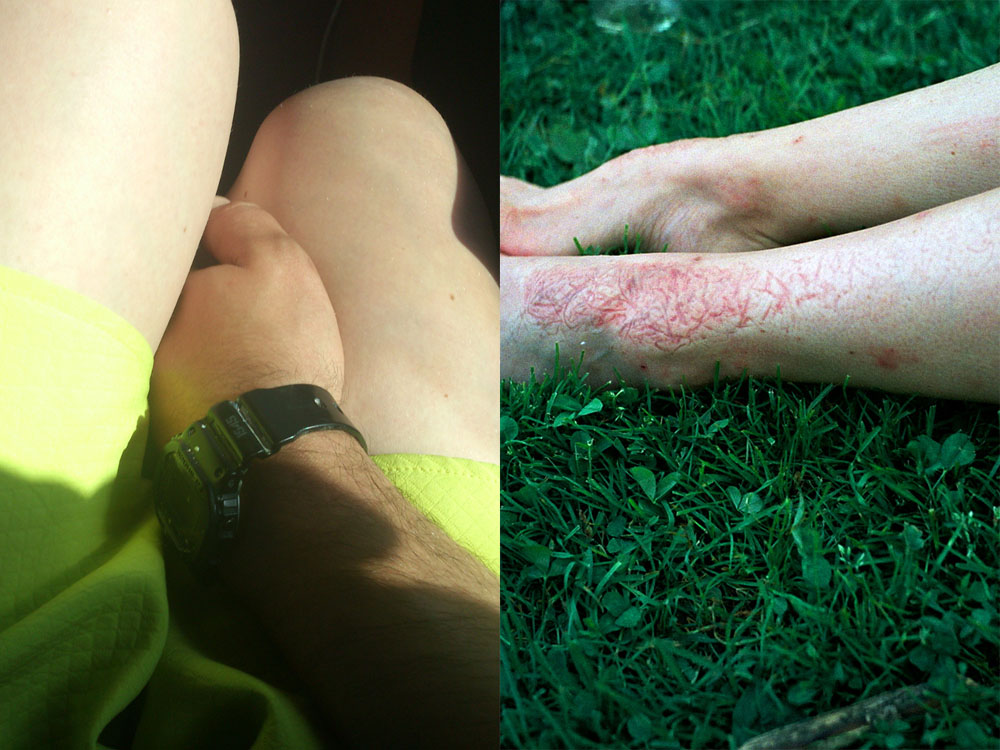
Images from Karolina Zajączkowska’s book Summer We Never Had, 2015, photo: courtesy of the artist
Zajączkowska’s Summer We Never Had (2015) is a story about infatuation and a shared journey. Karolina Zajączkowska depicts a tulle curtain, an impression in a leg and a shimmer of light. The photos included in the book together constitute a stretched-out memory of an escape journey. The book is concluded with an after-the-storm picture distorted through a window – the end of August.
Reality & fantasy
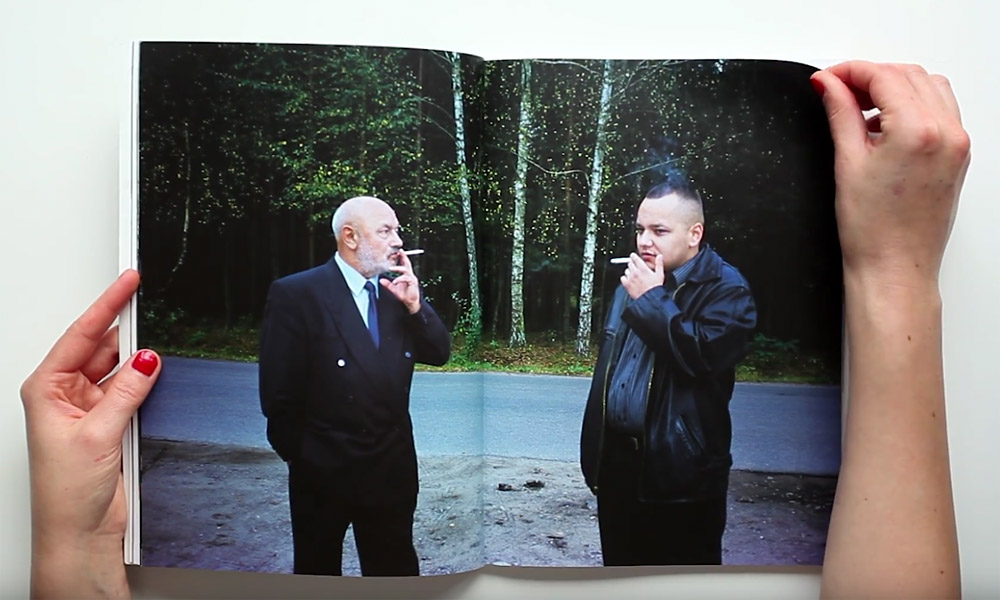
An image from Łukasz Rusznica’s book The Most Important I Do Not Tell You At All, 2011, photo: courtesy of the artist
Łukasz Rusznica’s The Most Important I Do Not Tell You At All is a multifaceted, consistent and wonderfully-edited book. Its themes are the need for love, sexual fantasies, family relationships and the search for patterns. We see rebellion and tenderness, screams and uncertainties. There is a whole mass of contrasts constituting an honest and intimate story, which are also a documentation of the era of their creation.
A feminine dialogue
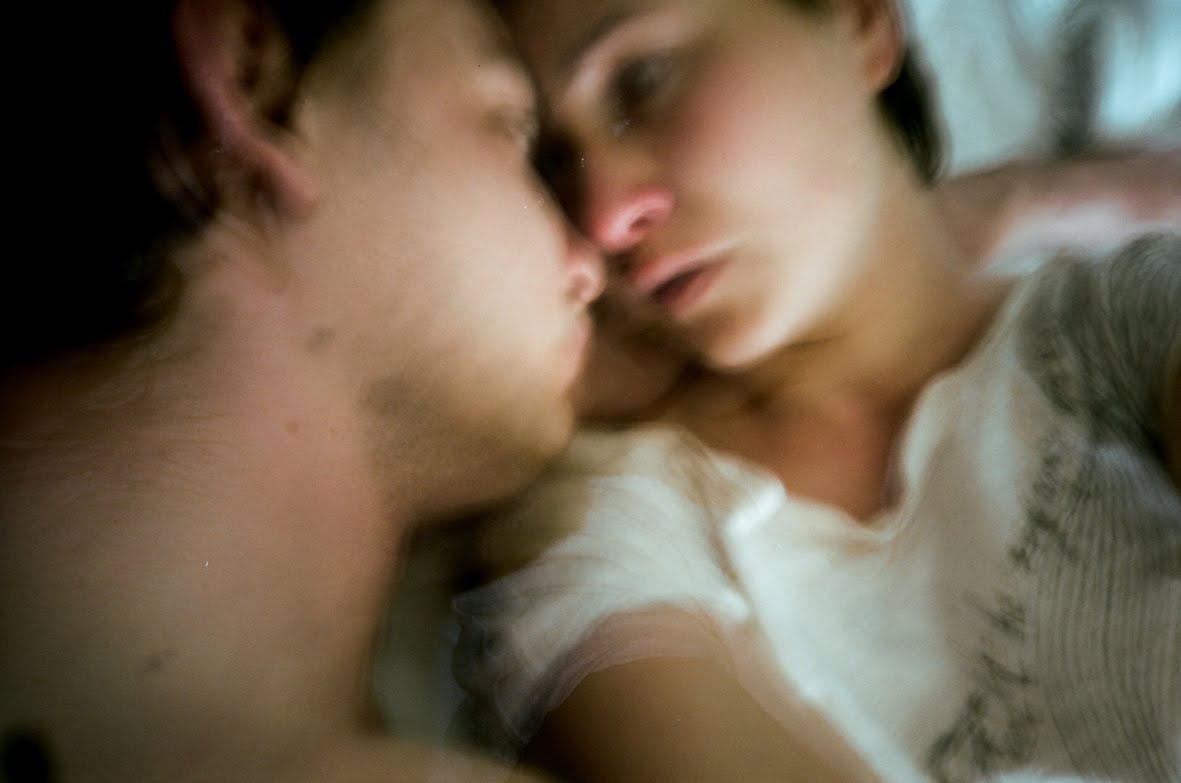
A photo from memory---stick.blogspot.com, photo: Monika Kotecka, courtesy of the artist
For several years, Monika Kotecka and Kama Rokicka blogged together about early adulthood, dates, and later about the child one of them had.
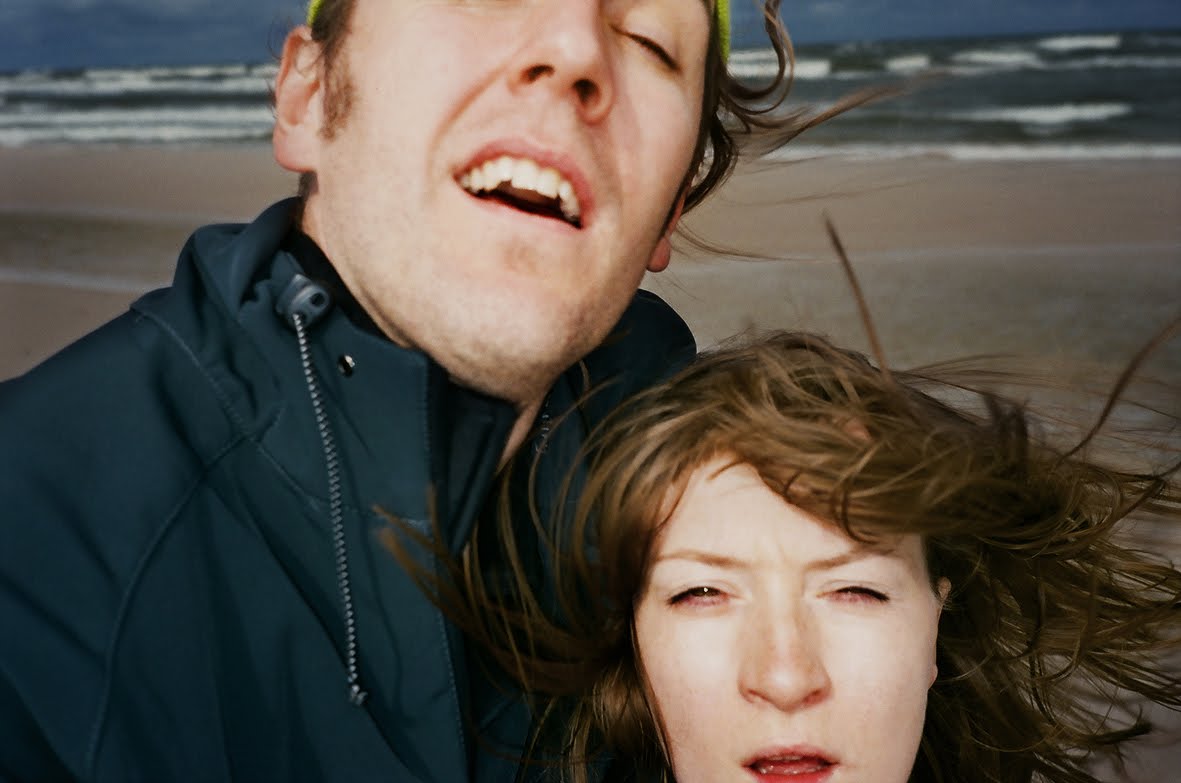
A photo from memory---stick.blogspot.com, photo: Kama Rokicka, courtesy of the artist
The unusual formula of the website memory---stick.blogspot.com allows the audience to compare their life choices and aesthetics.
Coming out
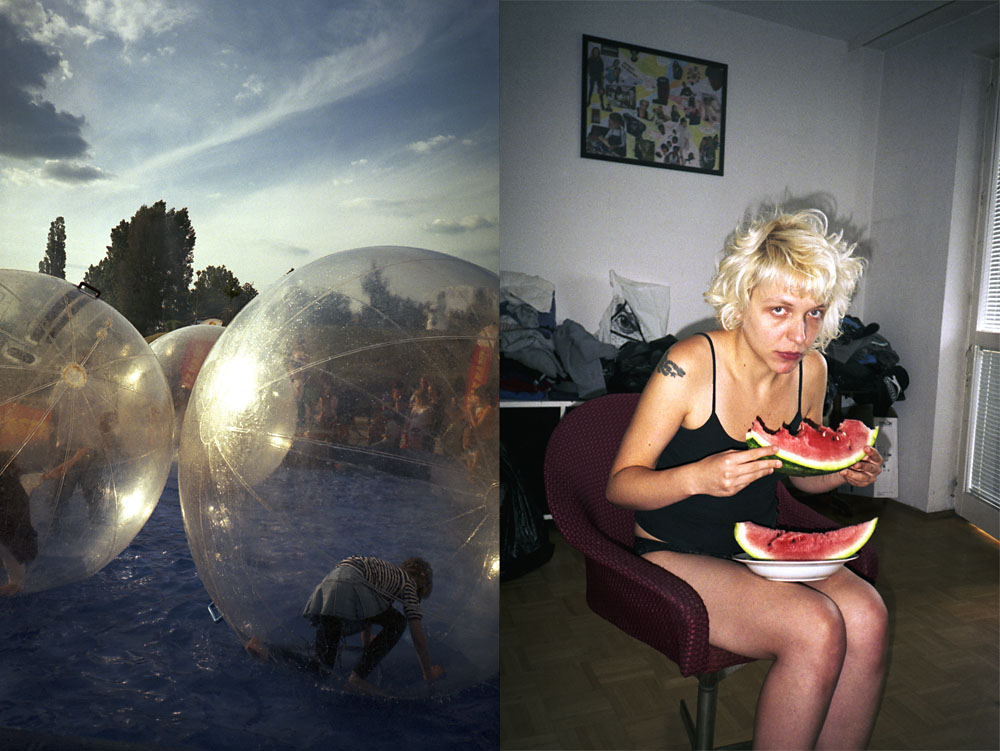
Photo from Agata Kalinowska’s Just Don’t Fall in Love series, 2015, photo: courtesy of the artist
Agata Kalinowska’s Just Don’t Fall in Love series talks about intimate relationships with close ones, extreme emotions and broken communication. It is also a story of sexuality.
Borderline moment
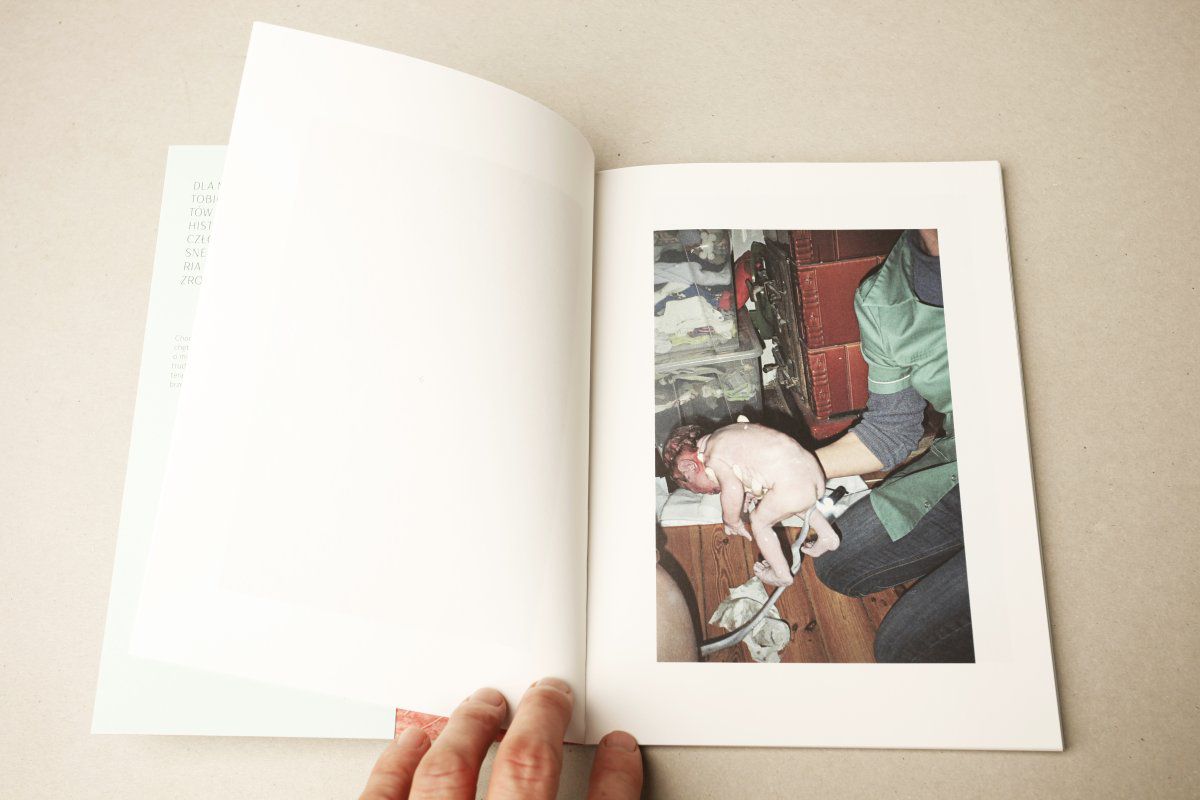
Krzysztof Solarewicz’s book Poród (Labour), photo: courtesy of the author
Krzysztof Solarewicz’s Labour is an interview with himself and for himself which includes questions about his friends, family, surroundings and values. The book’s theme is becoming, and how the birth of a child is an opportunity for insight.
A young married couple
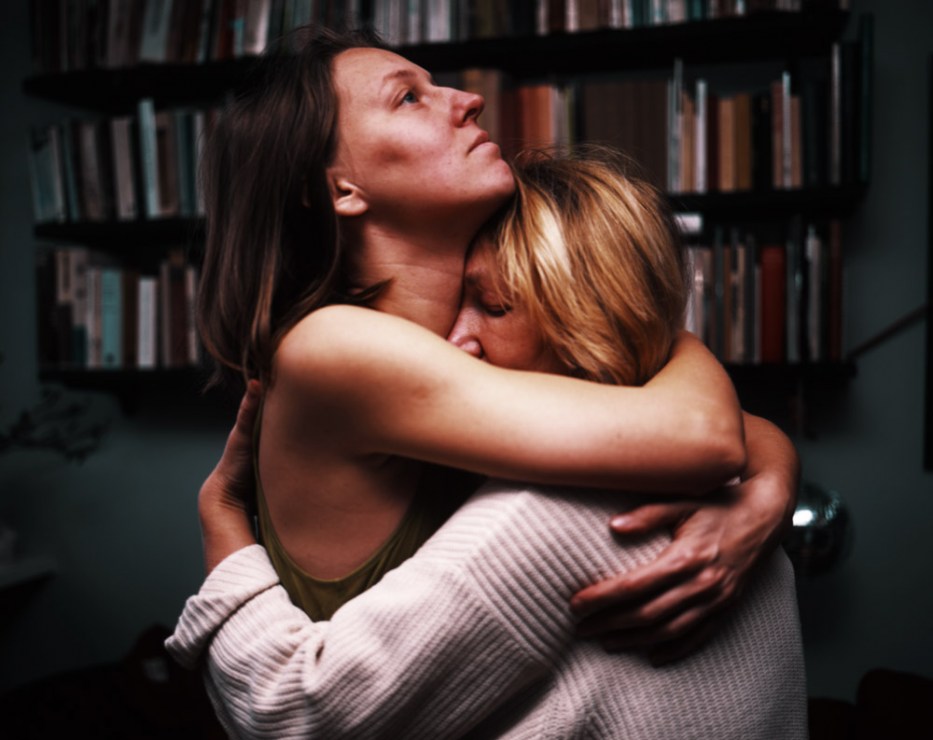
Image from Filip Zawada’s book Drewniane Gody (Wooden Anniversary), photo: courtesy of the artist
Filip Zawada, a photographer, poet and musician describes his book Wooden Anniversary as:
Nearly 100 photos about normal life. But then, if there are that many photos, maybe it’s not normal after all.
The book tells the story of the fifth year of a marriage, a time of transformation and difficult feelings. The photos illustrate prosaic situations and things, and this is what makes them unique.
Family relationships
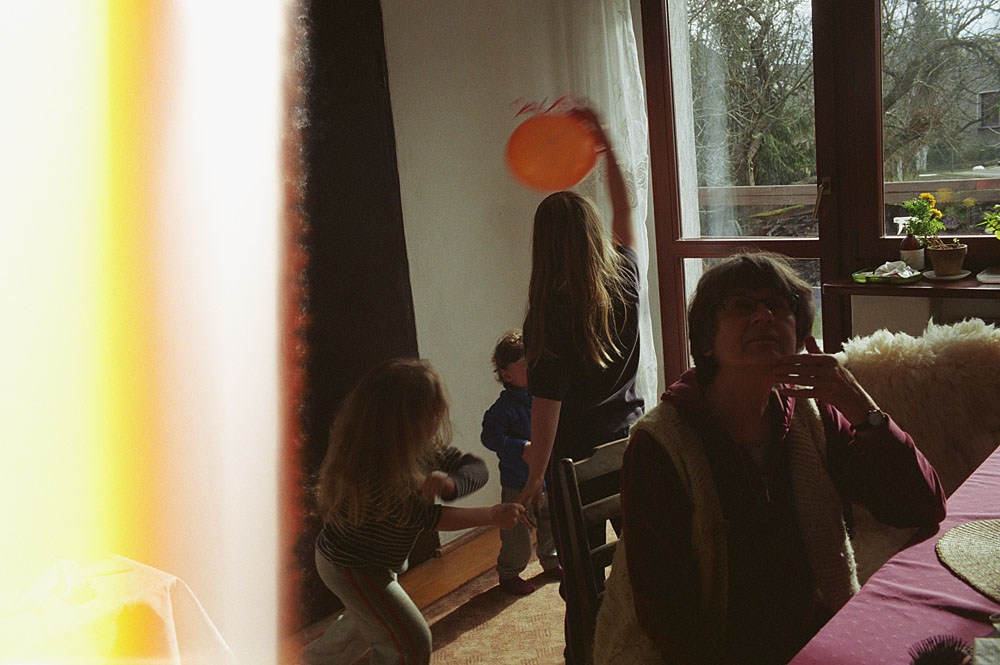
Image from Krzysztof Solarewicz’s exhibition Uśpiłem Czarnego Kota (I Put The Black Cat to Sleep), photo: courtesy of the author
During a tour of his 2017 exhibition I Put The Black Cat to Sleep in Wrocław, Krzysztof Solarewicz said:
Taking photos isn’t about understanding them. I concentrate on that moment when my eyes say: ‘This is it.’
The series is built around photos from a family album and his own works. There are scenes which include the entire family – children, parents, grandparents. The slightly distanced narrator looks for moments of suspension, wanting to illustrate his protagonists without masks.
The other
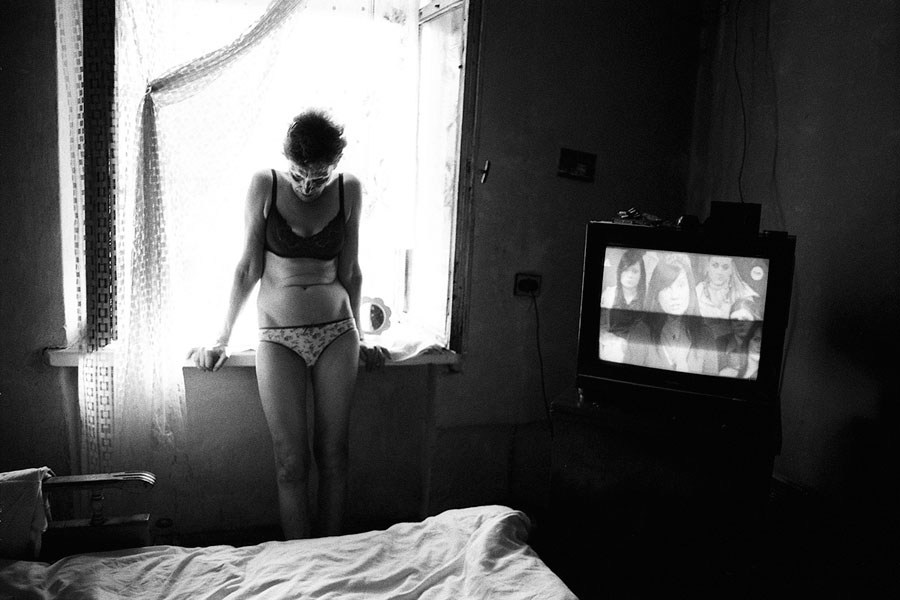
Ela In Her Room by Maciej Pisuk, from the series Pod Skórą: Fotografie z Brzeskiej (Under Skin: Photographs from Brzeska Street), 2008–2012, photo: Maciej Pisuk
For Maciej Pisuk, his camera was a pretext to establish rapport with his neighbours from Brzeska Street in Warsaw. In an interview, he admitted that their faces told entire stories. The series was created over several years. It is told with empathy and attention to detail.
Parting
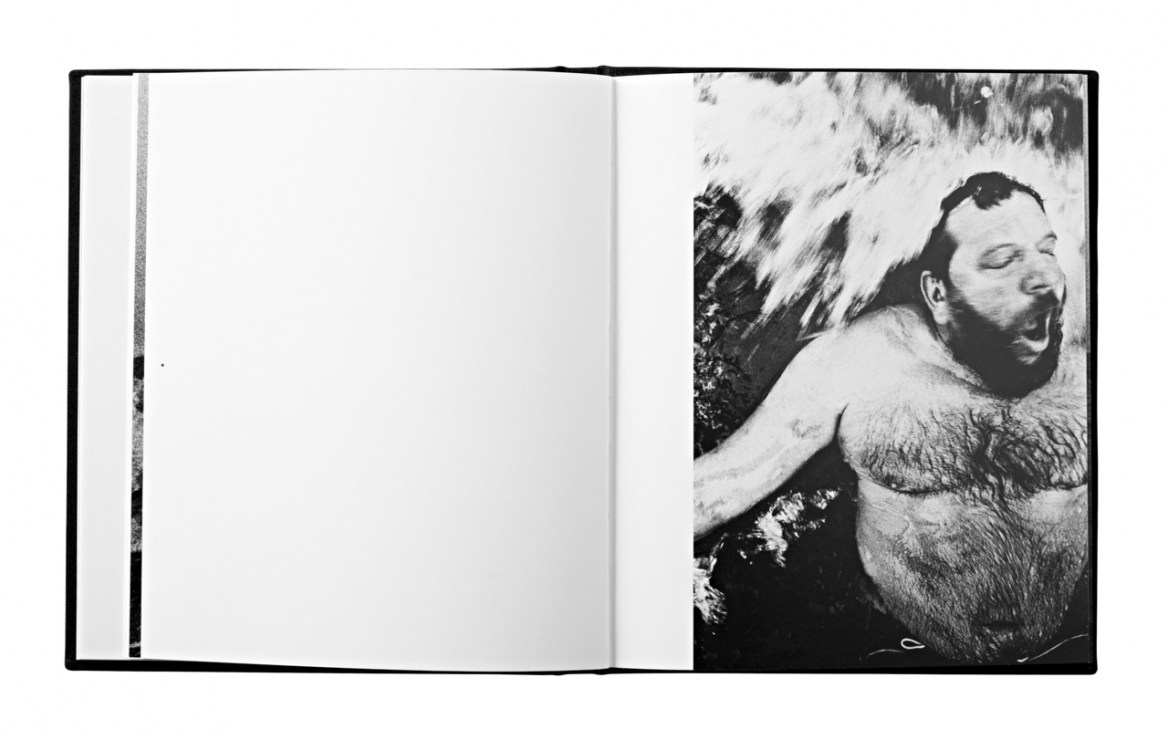
Inside Mateusz Sarełło’s book Swell, photo: courtesy of the author
Swell is a history of Mateusz Sarełło’s breakups told through colourful polaroid and contrasting black-and-white photos. The Scandinavian crude style added with Polish landscapes and a clear message tied together to become an attractive proposition for galleries and magazines all around the world. The common thread through it all is the sea, which at first constitutes an idyllic scene, then instils fear, only to finally bring comfort.
Saying farewell
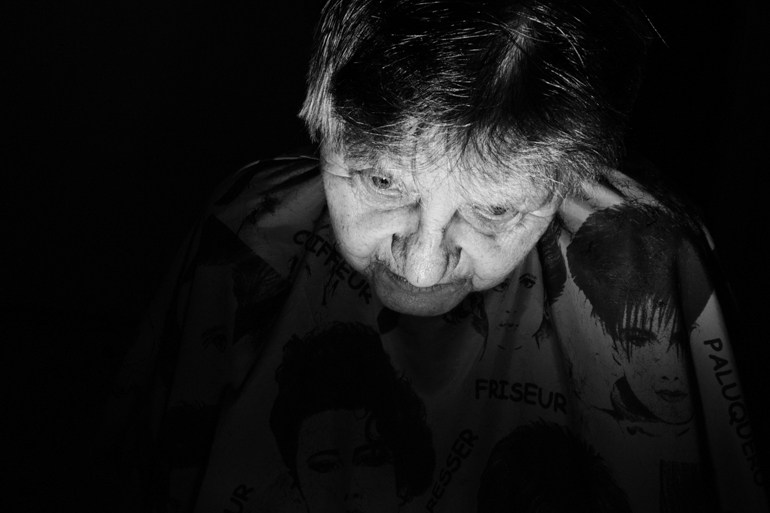
Photo from Michał Adamski’s book Can't Get Through the Chaos, 2015, photo: courtesy of the artist
Michał Adamski’s Can't Get Through the Chaos is the story of a personal tragedy – the photographer shares the year during which he watched the suffering of his parents and said goodbye to them.
Return to innocence
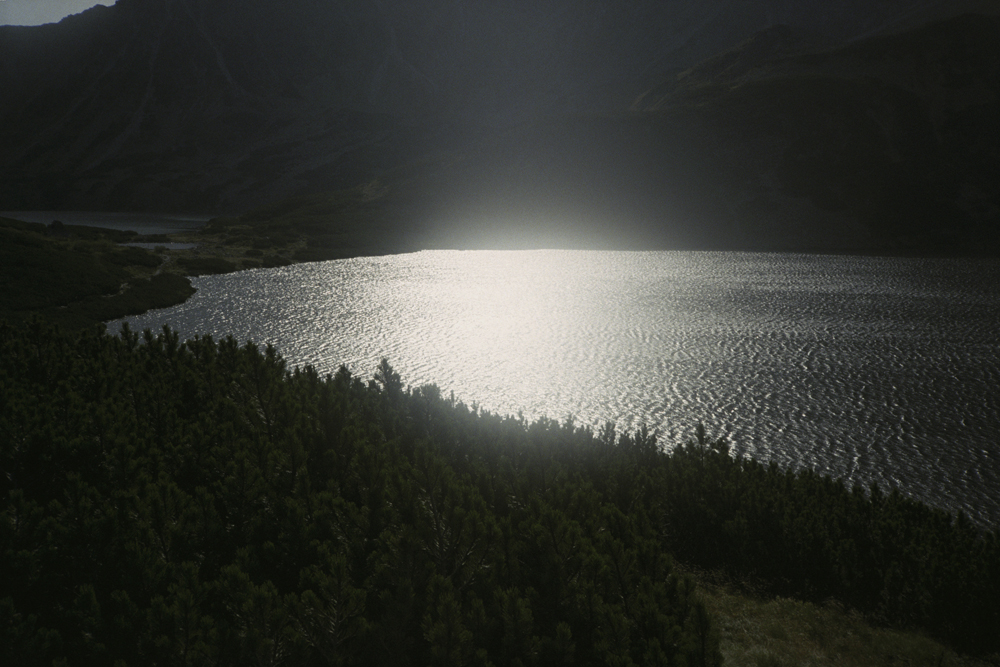
Photo from Janek Zamoyski’s Czułość series, photo: press materials
A good way to round up this list is Janek Zamoyski’s exhibition Czułość (editor’s translation: Tenderness) presented in the eponymously-named Czułość Gallery. Although the artist is rather hidden under a metaphor in the photos, he is more direct in the text accompanying them. He refers in it to the introduction of Kuba Dąbrowski’s Western:
I could start this text by paraphrasing Kuba Dąbrowski’s Western by writing: My Name is Janek Zamoyski. I’m a photographer. My girlfriend’s name is… A winter with snow is better than a winter without snow. It’s more scenic. Maybe I’d add: I like taking photos.
The characteristics of radical innocence. Their essence has not changed, they just grew older. They probably began understanding the cultural ferment and they were weighed down with a broken head.
The final sentences of the text deal with generational sentiments. Dąbrowski’s affirmative narration built around a small stabilisation gives way to an approach based on accentuating one’s own work.
The first winter in Czułość was snowy. Fixing the broken pipes and letting the warm water flow through them was a miracle.
Originally written in Polish, 16 Feb 2018, translated by AP, May 2018