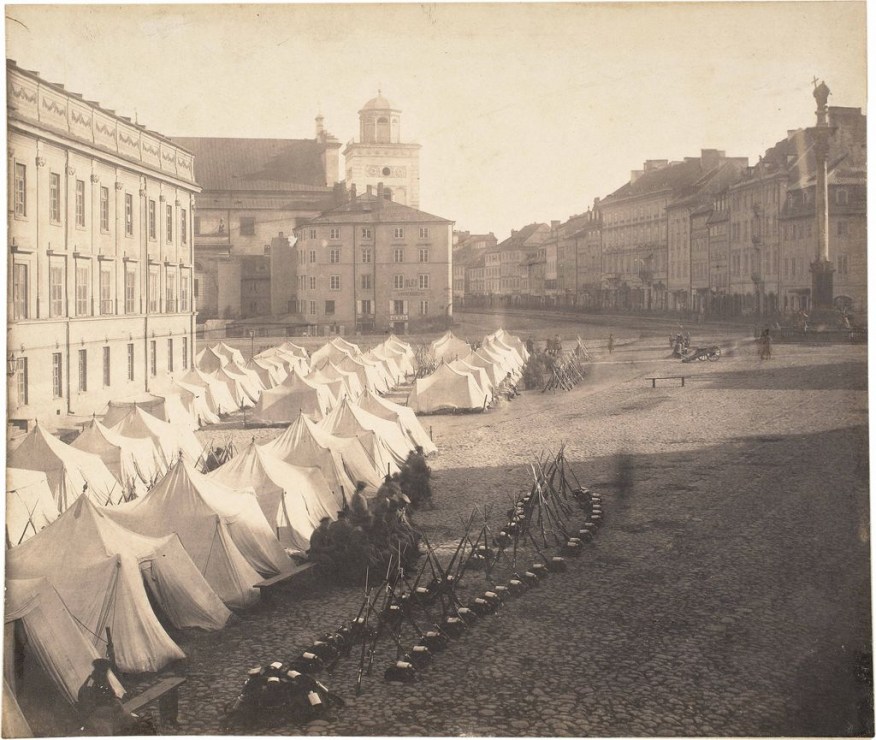
The situation grew particularly grim after the fall of the January Uprising (1863). With increasing Russification, banning Polish language from schools and universities, and the establishment of the Warsaw Censorship Committee in 1869, Polish literature had to develop new ways to creatively oppose the oppressive system of censorship. In a way, this led to developing a whole new mode of communication, a kind of secret language, which became the unofficial national language of Polish literature. It is actually in this language that much Polish literature was written across the 19th century and into the 20th...
So-called Aesopian speech is usually defined as a way of encrypting predominantly political message in a text while at the same time circumventing the obstacles amassed by the censors. In 19th-century Poland under Russian administration, this became an elaborate system of allusions, symbols, allegories. In fact, in describing Aesopian language, scholars resort to a whole array of rhetorical tropes and devices like periphrasis, metonymies, synecdoches and ellipses.
Invisible to outsiders, these elements operated in a way that was perfectly clear to the Polish patriotic readers who knew well how to read between the lines and even behind them. The strategy of the Aesopian created a kind of contract between the reader and the writer of Polish literature, a contract, that as we will see, operated even in our days.
What The Doll will not tell you
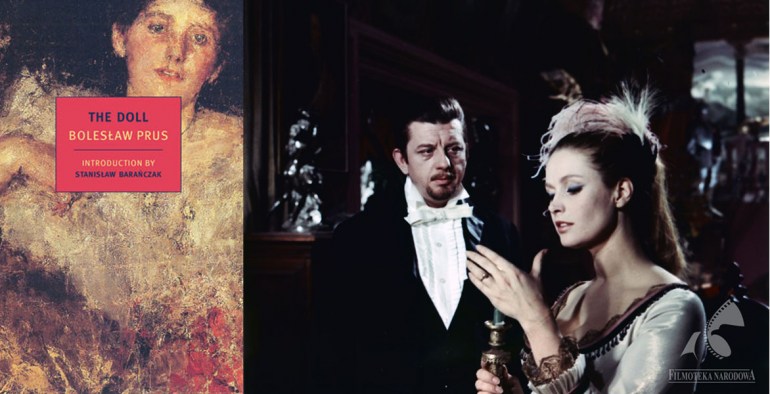
Cover of the book and still frame from The Doll by Wojciech Jerzy Has, 1968, photo: Studio Filmowe Kadr / Filmoteka Narodowa/www.fototeka.fn.org.pl