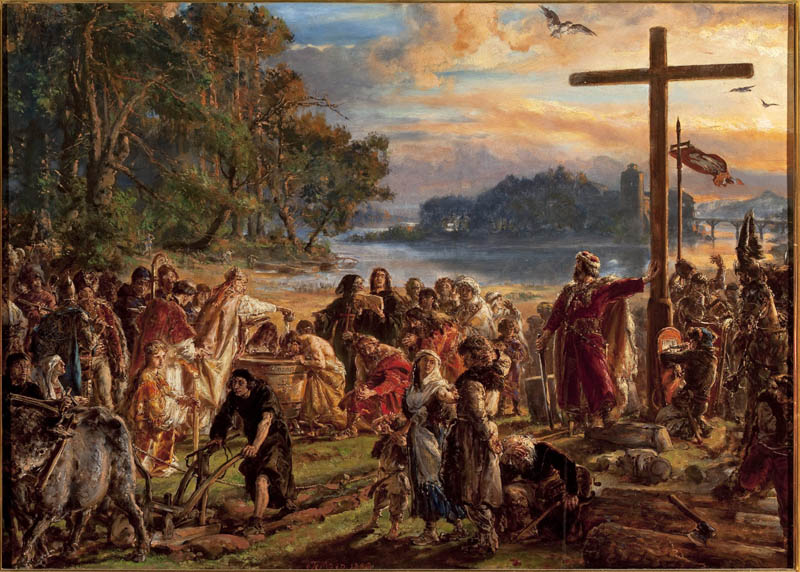
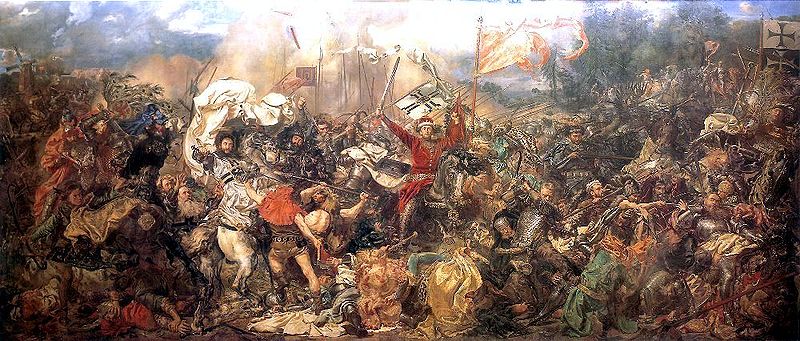
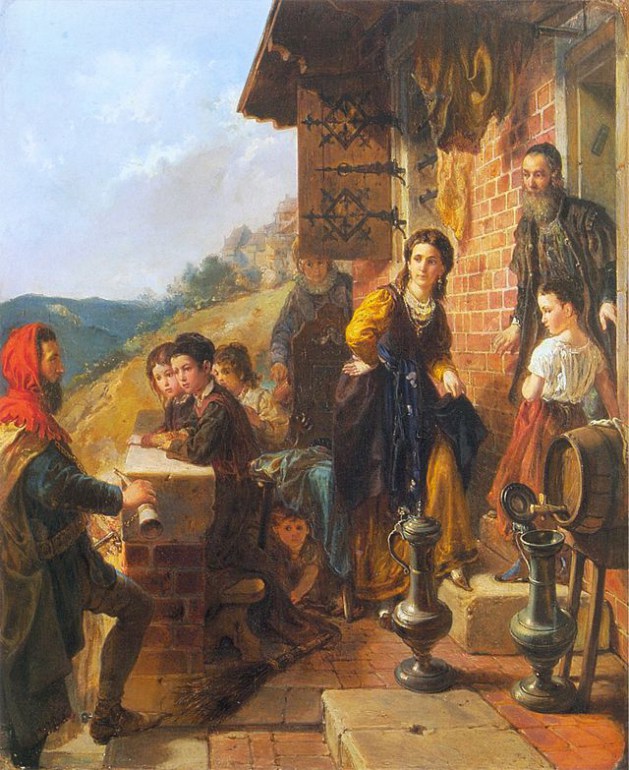
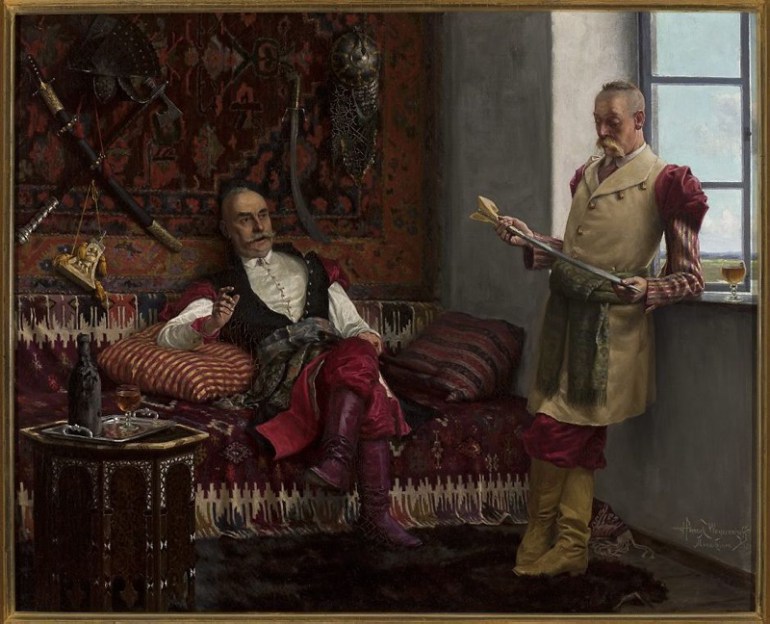
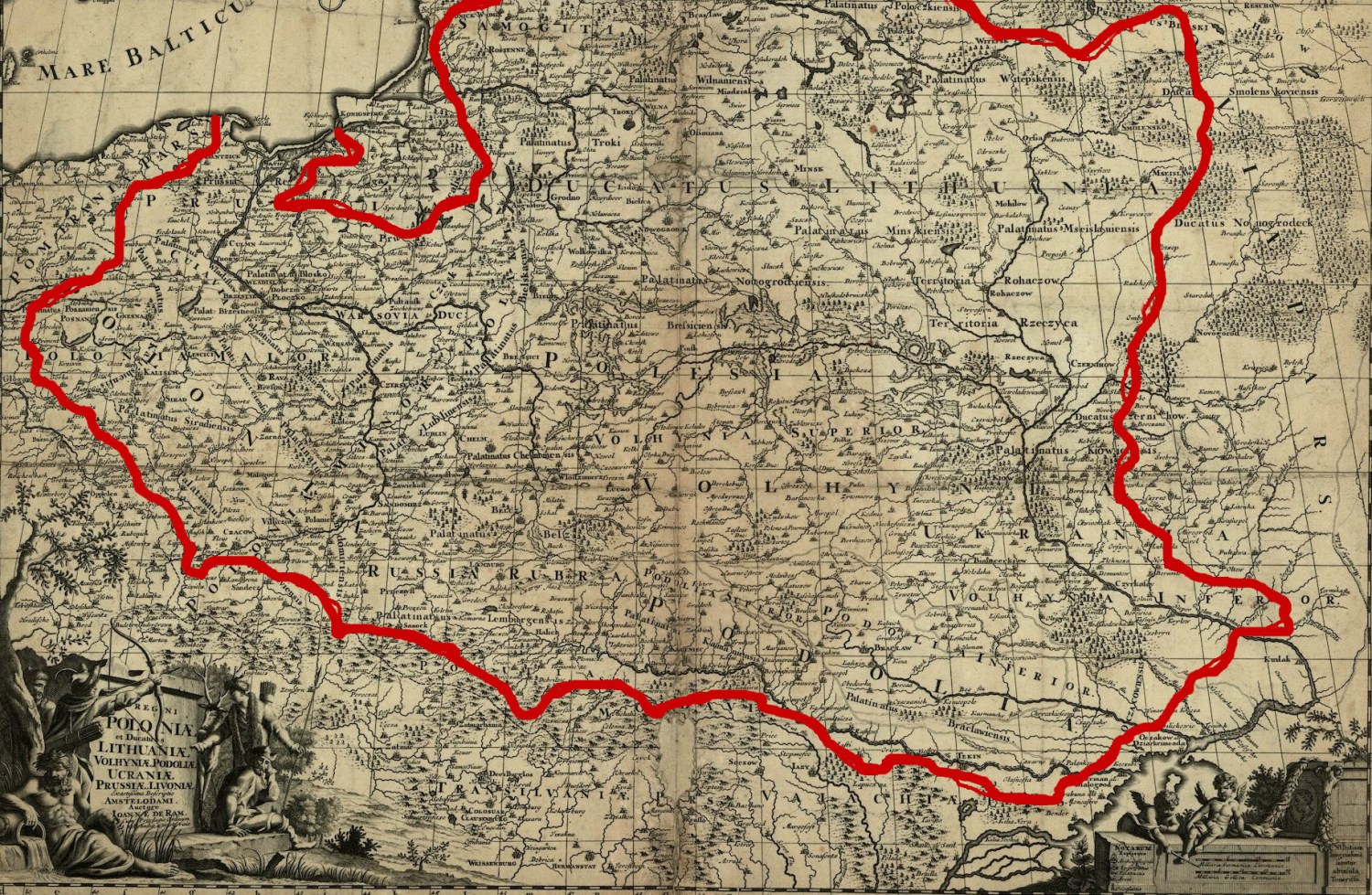
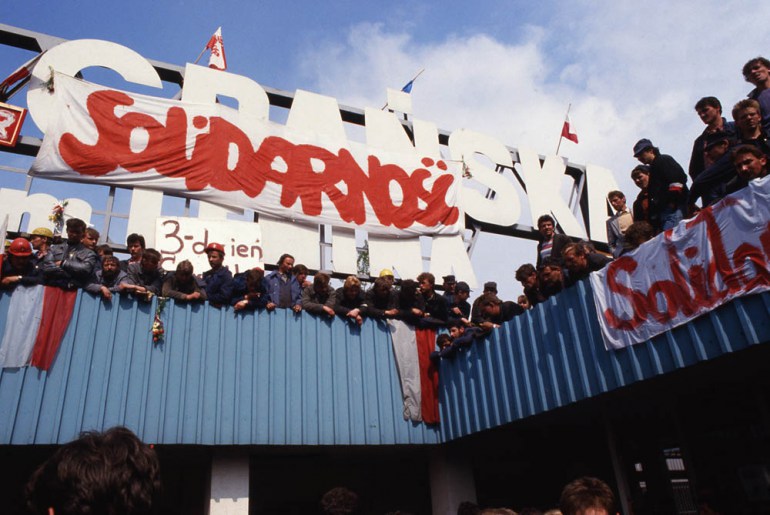
Today almost mono-ethnic and predominantly Catholic, Poland was once a multi-cultural polity, inhabited by Poles, Ukrainians, Belarusians, Lithuanians, Jews, Tatars, Armenians and Germans.
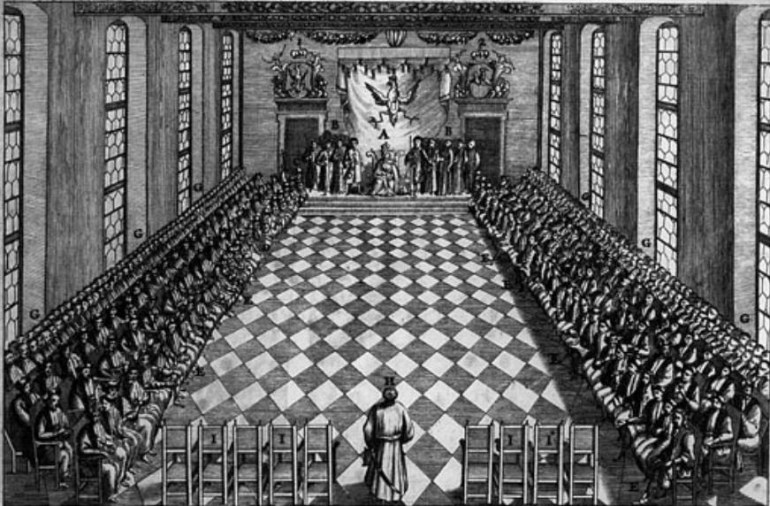
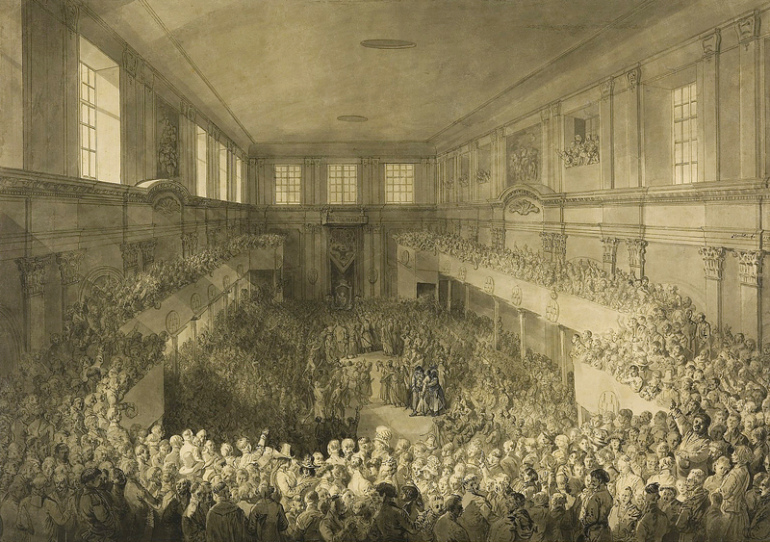
The Polish-Lithuanian Commonwealth, as it was called from the 16th to the late 18th century, was one of the earliest confederate countries in early modern Europe. For a long time, it also boasted a tolerant policy towards different ethnicities and faiths.
This led to a massive influx of Jews fleeing persecution in the countries of Western Europe as early as the late 15th century. Within a short time, Poland became the biggest area of Jewish settlement, a homeland to the blooming Yiddish civilisation of the Ashkenazi Jews.
During the Reformation, Polish tolerance also contributed greatly to the country becoming a safe harbour for members of protestant churches. One of the most illustrious examples of their role was the activity of the so-called Polish Brethren, a protestant church, whose members opposed social privileges and refused military service, becoming one of the earliest pacifist movements in history, impacting, in this respect, later philosophers like John Locke.
The multi-ethnic and multi-cultural character of the Polish-Lithuanian Commonwealth meant that throughout centuries Poland not only didn't always speak Polish, but was home to a literature written in various languages, from Yiddish and Hebrew to Belarusian, German and Roma.
4. A European country with a historic Muslim minority
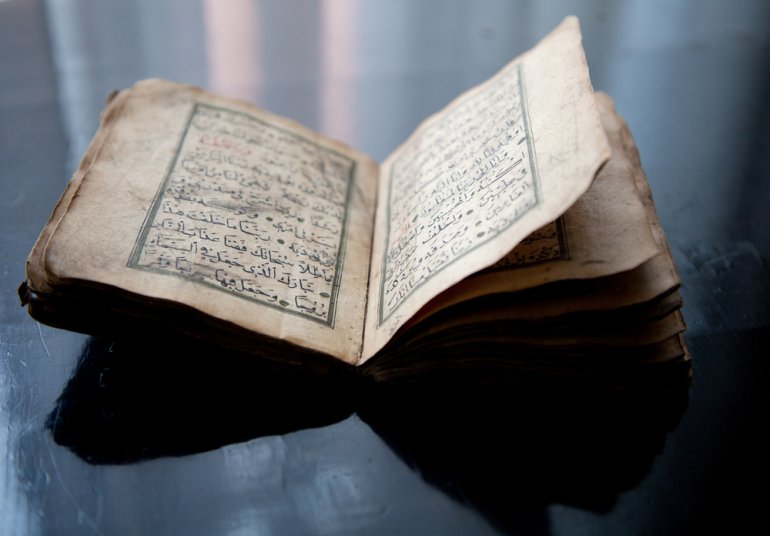
Polish Tatar prayer book from the 19th century, photo: Anatol Chomicz / Forum