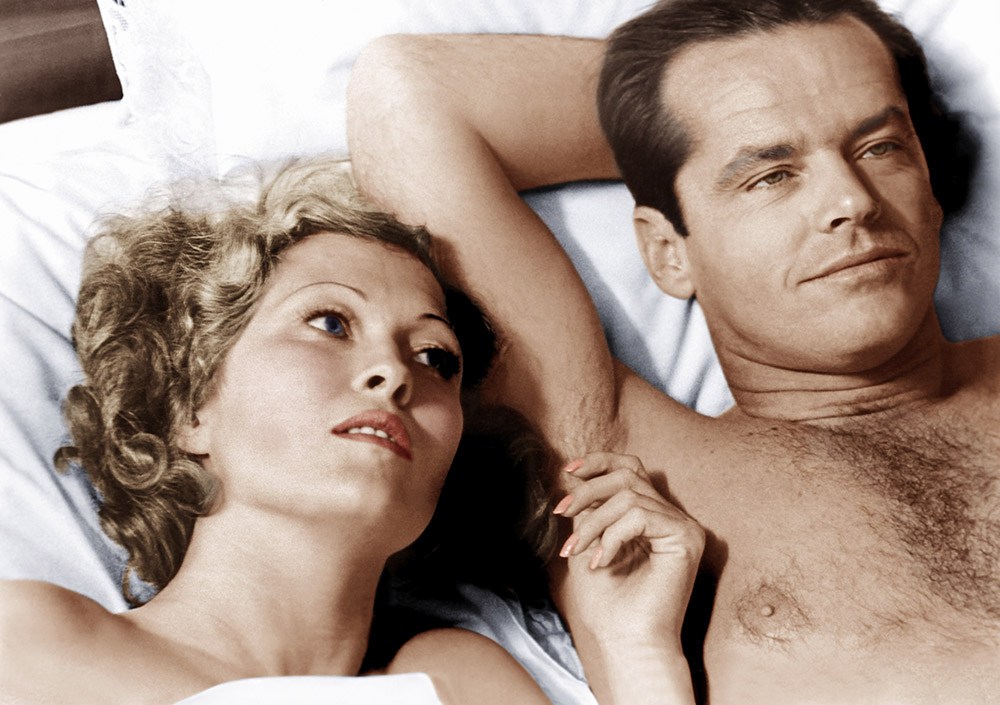
11 Oscar and BAFTA nominations, Golden Globes for best director, best screenplay, best motion picture (drama) and best actor in a motion picture (drama). Finally, an Oscar for best original screenplay. And these are not all the awards that Roman Polański's Chinatown received. This neo-noir film made in 1974 is one of the most well-known films of the Polish director and also one which went down in the history of Hollywood. Suffice to say that in the list of the American Film Institute it became the 2nd best thriller in the history of cinema. The music by Jerry Goldsmith was ranked number 9 at the list of the greatest soundtracks of all time and the Writers Guild of America rated Robert Towne's screenplay as the 3rd best in the history of the Tenth Muse.
How did that happen that it was Polański who directed the film? As it often occurs in the history of cinema, it was by accident. After having finished an unsuccessful film called What?, Polański moved to Rome and looked for other film challenges. One day Jack Nicholson suggested making a film together. He was impressed by Robert Towne's screenplay: he considered it the best screenplay he had ever read. It was Chinatown, a gloomy, mysterious story taking place in Los Angeles in the 30s.
The protagonist is 'Jake' Gittes (Jack Nicholson), a private detective from Los Angeles. He is an elegant, cunning man whose motto is 'do as little as possible'. One day Gittes is set up in a political/business intrigue which quickly goes beyond his capabilities. He is deceived and exploited by the people who hired him and he decides to get to know more about the Mulwray family, at the same time getting closer to the mysterious Evelyn (Faye Dunaway) and her dark past.
It was not obvious from the beginning that the director was going to be Polański. First, the direction was offered to Peter Bogdanovich, but fortunately for Polański he rejected the offer. The producers of Chinatown decided that this story, which was American to the core, should be directed by a European who would be able to add in some obscurity and mystery. That was how Polański was chosen.
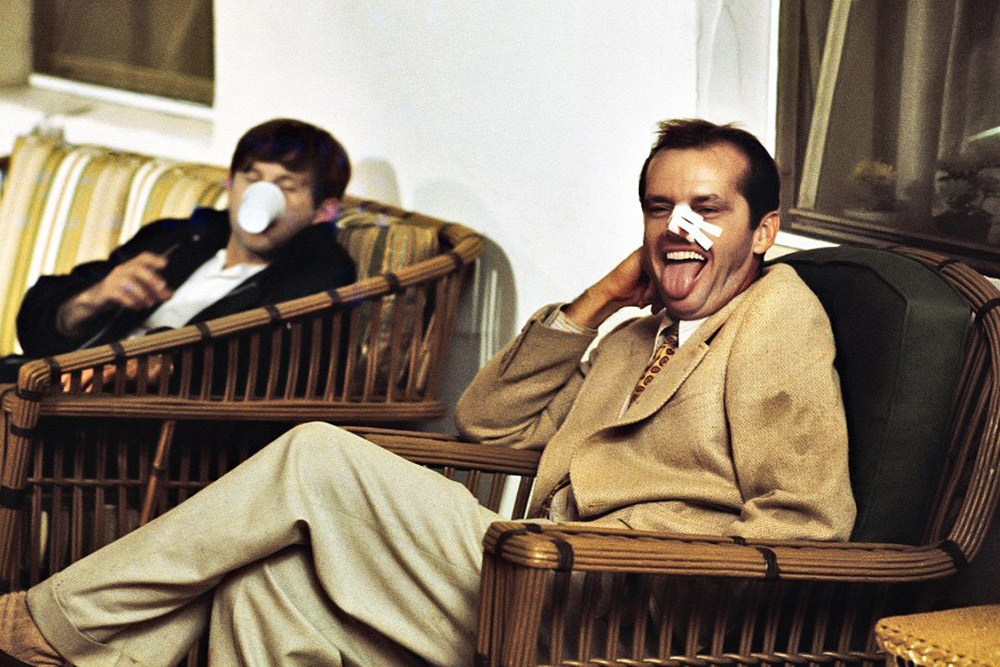
Jack Nicholson and Roman Polański in Chinatown directed by Roman Polański, 1974, photo: Paramount Pictures
The screenplay which impressed Jack Nicholson seemed too long for Polański. He also thought it needed adjustments. Polański and Towne spent eight weeks working on details and struggled to find a good ending. Originally the ending of the story was happy, but Polański suggested it should be just the opposite:
I thought it was supposed to be a serious film, not an adventure story for children.
He managed to convince the screenwriter and the producers that a gloomy, tragic ending would be the most suitable one for this story. And that was the ending that made Chinatown immortal.
It was not the only dispute that took place during the work on the film. The atmosphere during the process of filmmaking was tense, which is evidenced by the fact that Polański had as much as three cameramen. Polański wanted William A. Fraker to be the cameraman, since he had already worked with him on Rosemary's Baby, but the film producers were afraid that working with an old friend would give Polański too much control of the final form of the film. That is why they decided to replace him with Stanley Kortez, who had filmed The Magnificent Ambersons and The Night of the Hunter. It quickly became apparent that the 66-year-old artist's way of filming was too classic. He was replaced by the third, and the last, cameraman: John A. Alonzo, who was famous then for the work on Vanishing Point and Harold and Maude.