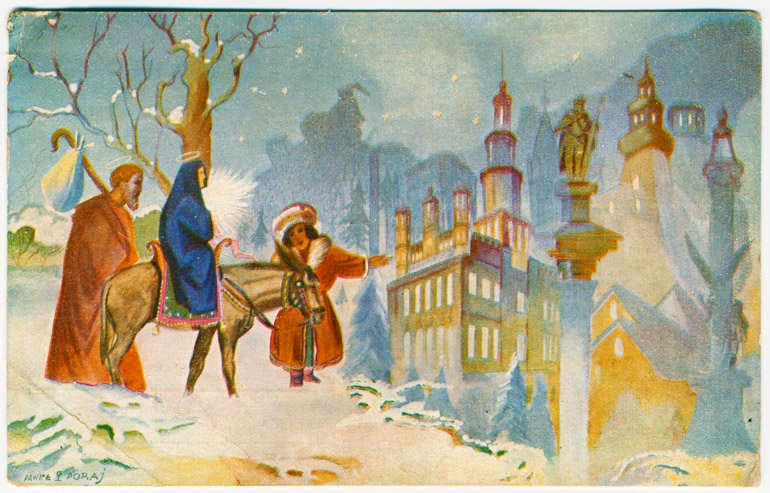
In the mid-19th century, Poland didn’t exist on Europe’s political map. It had been partitioned by its three neighbours (Russia, Prussia and Austria) and was de facto occupied. Each of the occupiers introduced a more or less severe policy for eradicating Polish culture and language on these partitioned lands, with Russia and Prussia being leaders in this area. Poles have always been the type of people that can’t stand foreign occupation, and every few decades of the partitions, they took part in massive uprisings. One of the biggest was the January Uprising in 1863.
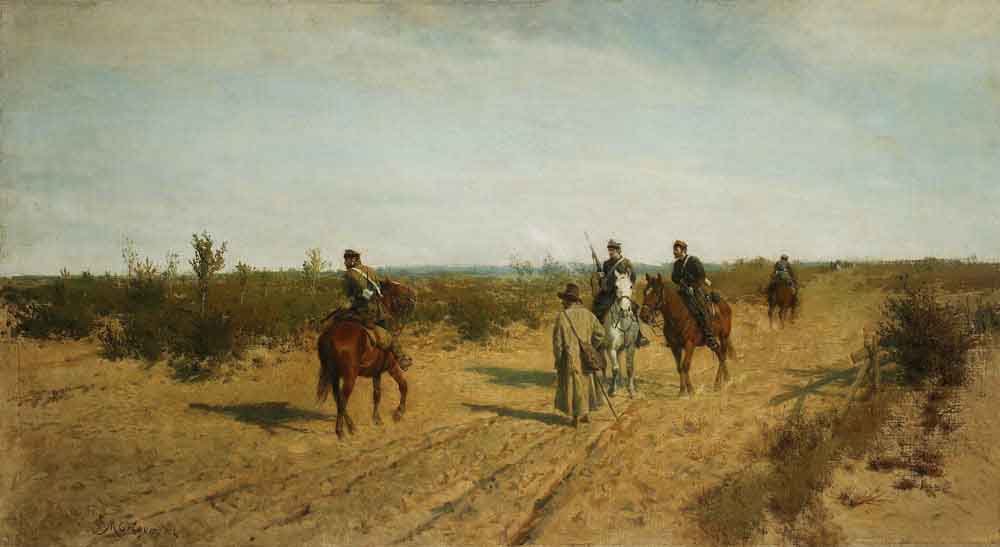
It was triggered by the forced enlistment of Poles into the Russian Army. Even though it started very spontaneously in Warsaw, the uprising spilled over into all the other partitioned Polish lands. It soon turned into several months of guerrilla war against overwhelming occupant forces and, tragically, led to the massive deportation of captured insurgents to Siberia.
During this period, the empty chair tradition gained a new dimension. From the year of the uprising onwards, the empty place was not only left for ancestors or an unexpected guest but, first and foremost, in memory of those who had been deported east, in order to strengthen the hope of their fortunate return.
Final word
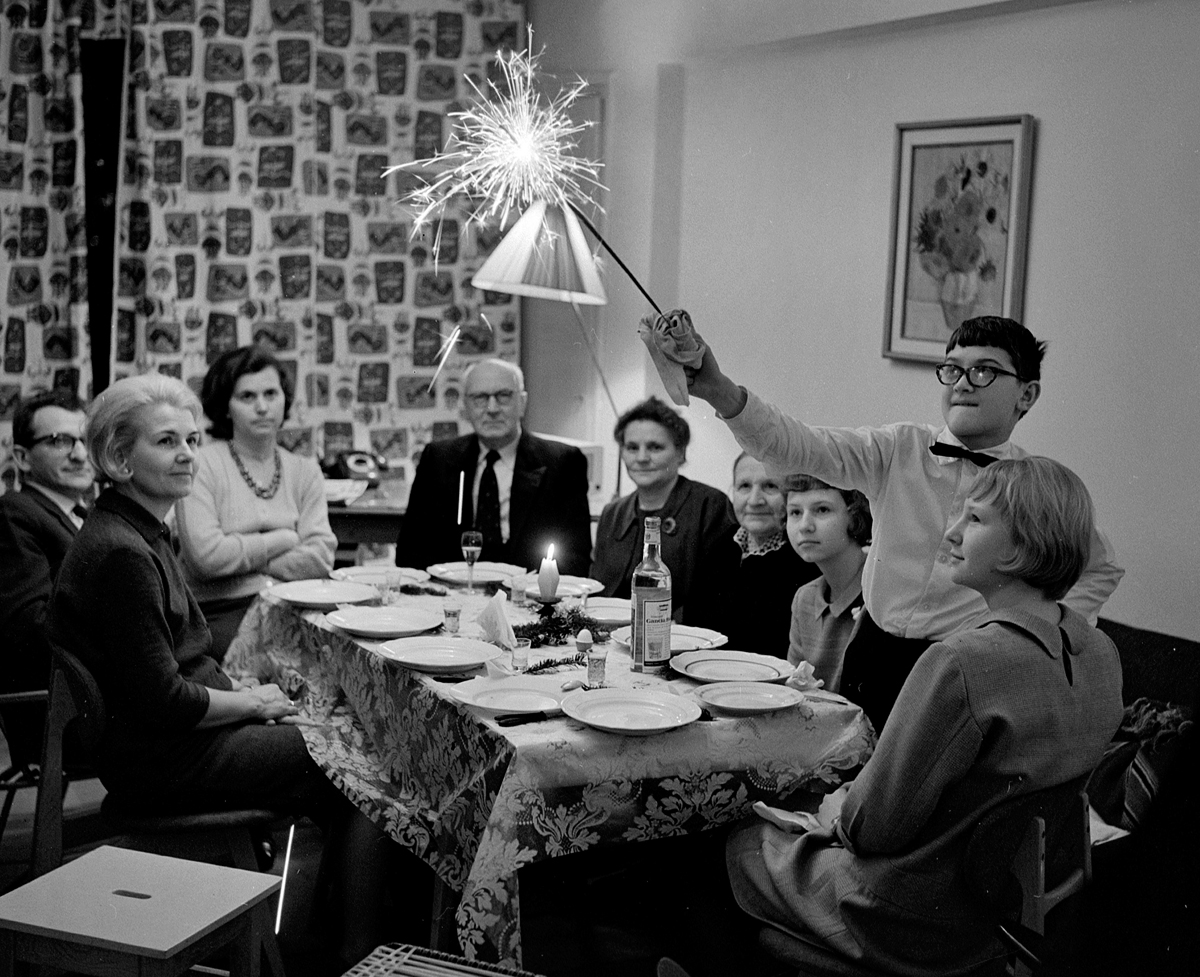
Christmas Eve dinner, Poland, 1966, photo: Romuald Broniarek / Forum