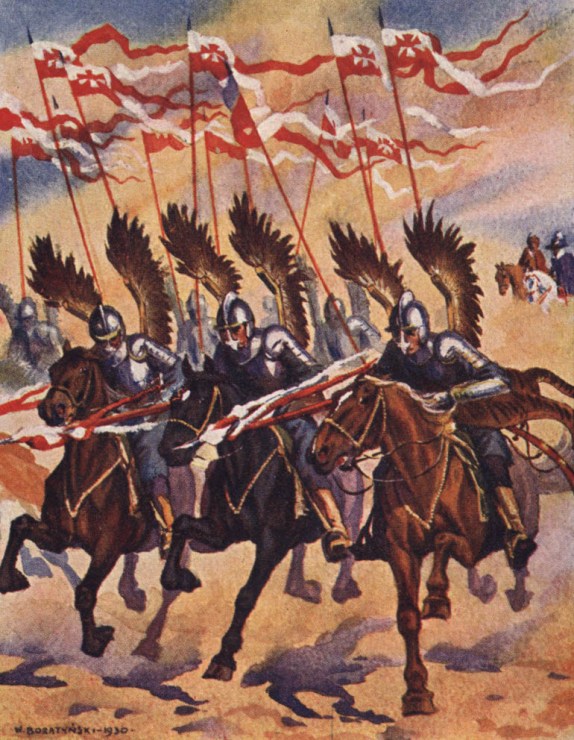
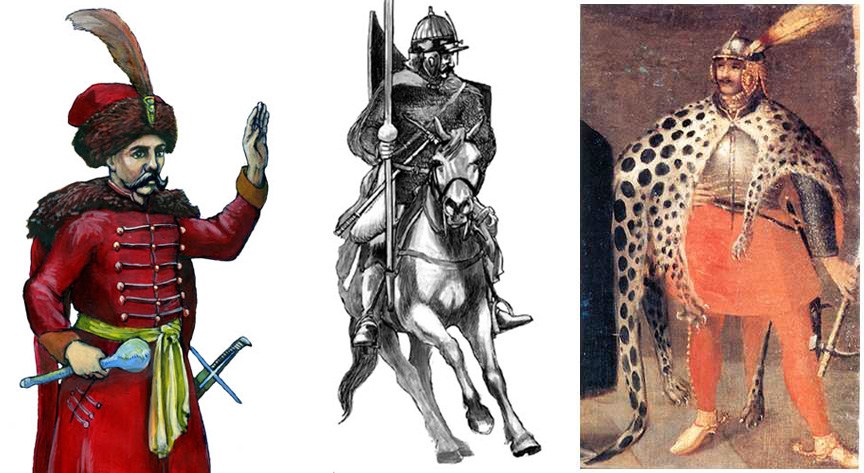
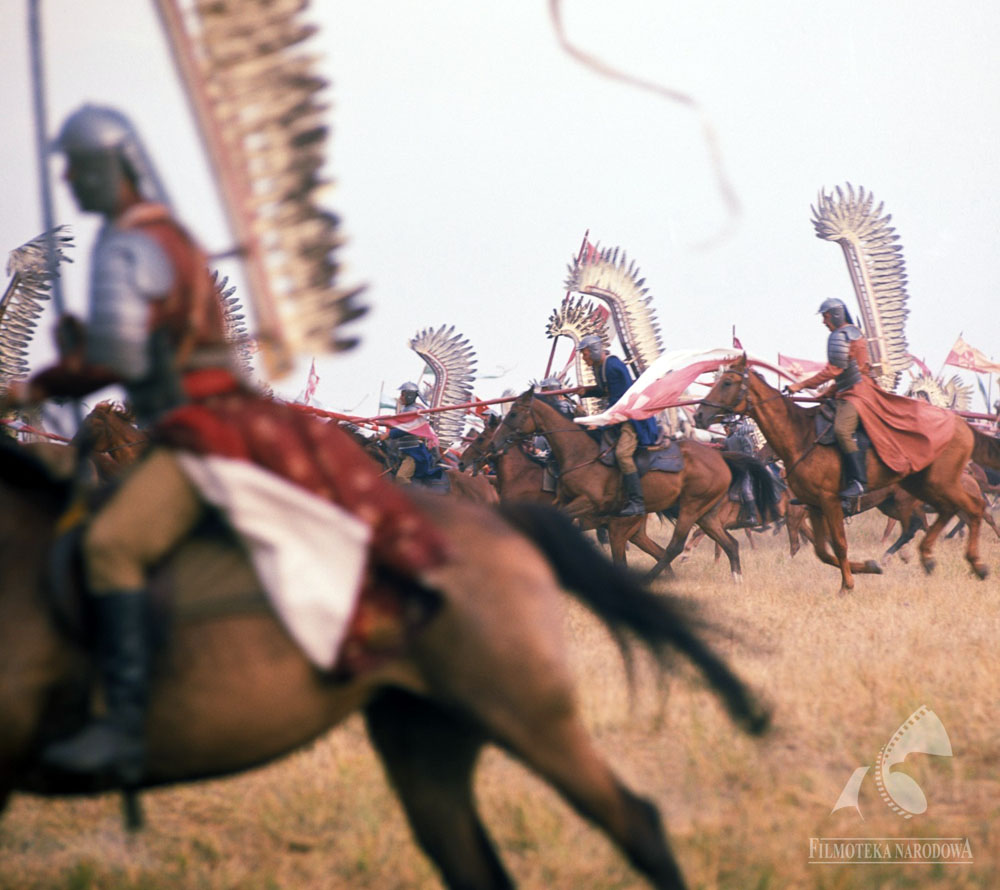
Eventually the hussars dropped the shields, substituting them with armour. Throughout their existence though, the rest of their gear remained very similar to what Moryson wrote about: they carried a lance, sword and sometimes pistols. Of these arms, the lance was most the important as it made the unit’s trademark attack – the charge – possible.
The highly advanced hussar lance was the main weapon of the hussars, the base of their great triumphs.
That’s how the historian Dr Radosław Sikora describes the weapon in his incredibly detailed 2013 book Fenomen Husarii (editor’s translation: The Phenomenon of the Hussars). To fully understand the uniqueness of the lance one needs a bit of context.
One of the reasons that European armies were turning to firearms and away from cavalry charges was the appearance of pikemen or infantry equipped with two-handed pikes that made the charges of lance-bearing knights largely obsolete. A knight’s one-handed lance (the other hand had to steer the horse) couldn’t be as heavy as the pike and therefore had to be shorter. Consequently the knights couldn’t reach beyond the pikes, so charging was out of the question.
But the winged horsemen found a way to get around this, a quite crafty one. They devised a hollow lance, something revolutionary at the time. Not only was it way lighter than a traditional one, but it also broke less easily. That’s right – according to the laws of physics, a hollow lance is more robust than a full one.
Also, thanks to the lower weight, the length could be extended. Suddenly the hussars’ lance could be over 6 metres long – longer than a pikeman’s pike (which averaged about 5 metres in length). This clever weapon was most probably glued from the hollowed pieces of a pole cut in half lengthwise. To make it more resilient it would sometimes be wrapped in hemp fibre. At the end of the hussar lance, called affectionately by the hussars ‘the sapling’, there was a steel tip.
An ungodly vision on the battlefield
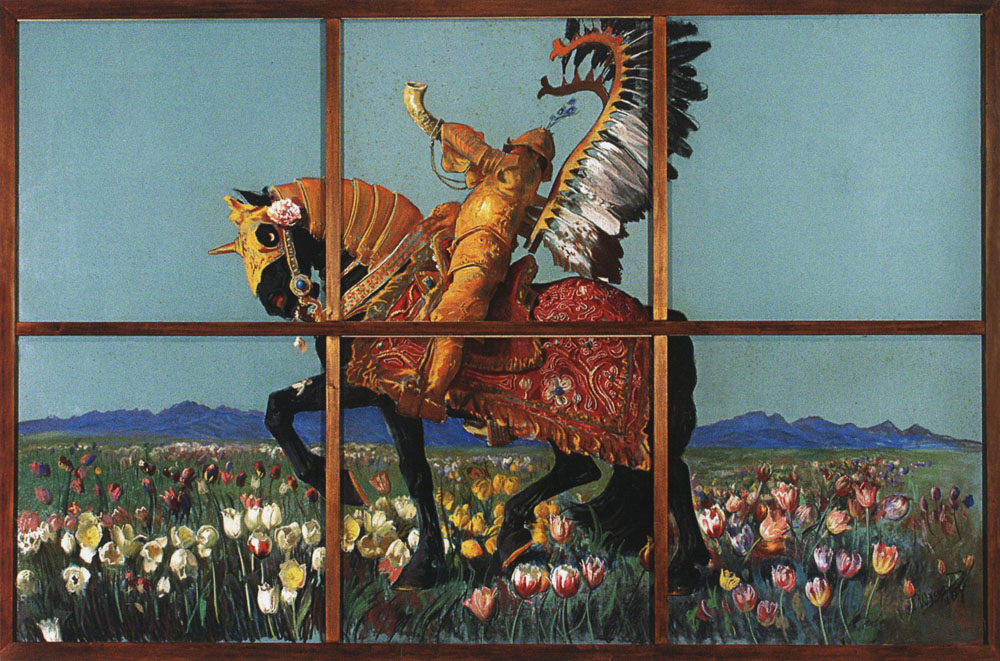
Knight Among Flowers, Leon Wyczółkowski, 1904, photo: Wikipedia