Stanisław Zagórski is one of the founders of the Polish School of Posters and one of the first Polish graphic artists to achieve success in the United States, but you won’t find him mentioned on Wikipedia. He has worked on album art for artists like: Miles Davis, Aretha Franklin, Otis Redding, Duke Ellington, Roland Kirk, and Cher. His artwork can also be found on records from Cream, The Modern Jazz Quartet and Velvet Underground. In an interview with Grzegorz Brzozowicz, Zagórski talks about his beginnings in the USA:
I was once offered a contract to make the cover of a book to be published by the New American Library. I presented a draft which was accepted. After three weeks, the decision was made and I went to work. After I turned in the assignment, I waited for the next couple of weeks to hear about the final decision on the date of the release of the book. After this there were edits, approving prints, etc. Another month passed. The first time I went to the publisher's office they were constructing a new building next door and had placed the foundation. On my next visit they had finished the first floor and by the following visit they had constructed fifteen floors. By the time I got paid, they were putting the roof on the skyscraper.
Here’s a link to the original interview in Polish.
In contrast with Zagórski’s profile, Rosław Szaybo is a well know artist. But the question remains if the average fan associates his legacy with album art? Some remember his contributions to a series of famous Polish Jazz records which earned a distinctive reputation outside the borders of Poland. Heavy metal enthusiasts would be able to recognise the iconic image he created for Judas Priest’s album Heavy Steel. But hardly anyone knows that The Clash’s debut album also features artwork from Szaybo.
In an interview with Brzozowicz, Szaybo describes his beginnings in the West:
Back then in London there weren’t a thousand sushi bars. There existed only a few places where people met up … There was one renovated jazz club that belonged to Ronnie Scott… The best musicians in jazz were coming down there and “jamming” until the morning. In December 1967 a friend of mine took me to the opening of a music store near Baker Street. I didn’t even think about what it would be like. It was a day like any other only this time I found myself in a building called Apple. Not only did I see a tenement painted in fabulous colours, but at the party in the corner of the huge terrace, there were four guys playing and it turned out to be the Beatles!
Here’s a link to the original interview in Polish.
Grzegorz Brzozowicz chose a selection of the best cover designs made by these Polish artists. He was also the curator for the exhibition Stanisław Zagórski - Rosław Szaybo, Exhibition of Vinyl Covers, that was on display from the 2nd to the 15th of May 2013 in Warsaw’s Kordegarda Gallery.
Heavy Metal Cutting Steel

Judas Priest, British Steel, cover art: Rosław Szaybo
One of the most famous heavy metal covers of all time. When Szaybo heard the title of Judas Priest’s next album, he immediately associated the words with the English razor blades he bought at a market on Różycki street in Warsaw. Polish razor blades during that time were fit for only one use, after that they would begin rusting.
Wide Steps with Chicago
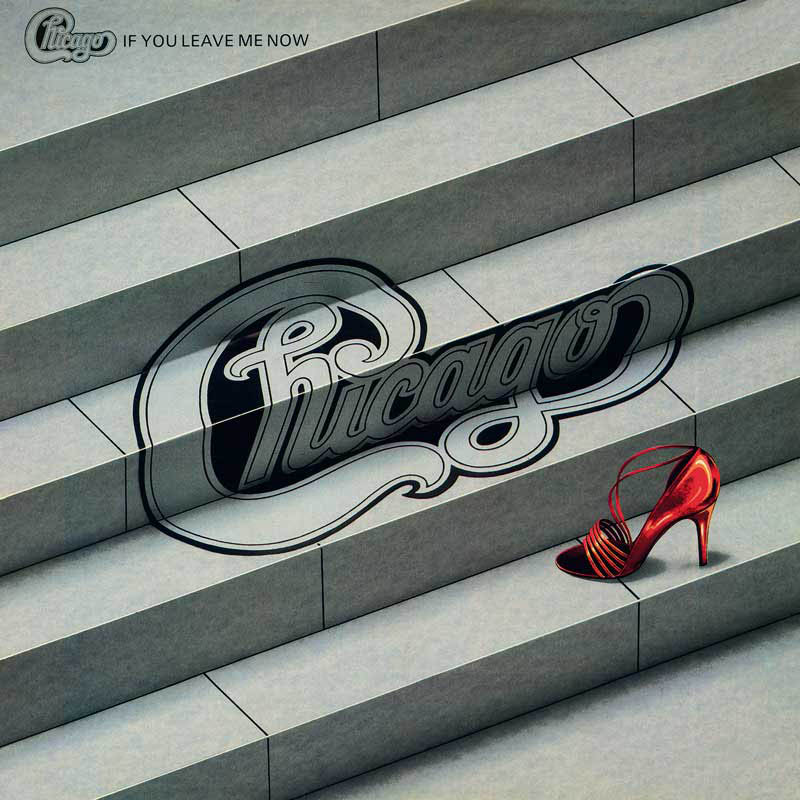
Chicago, If You Leave Me Now, cover art: Rosław Szaybo
John Berg created the iconic logo for the band Chicago and was responsible for many of their cover designs. When Szaybo ordered real wooden stairs as a model and came up with this design, it was originally only planned to be used for the European release; but John Berg liked it so much that he chose it as the image for the international release.
Cohen Convicted
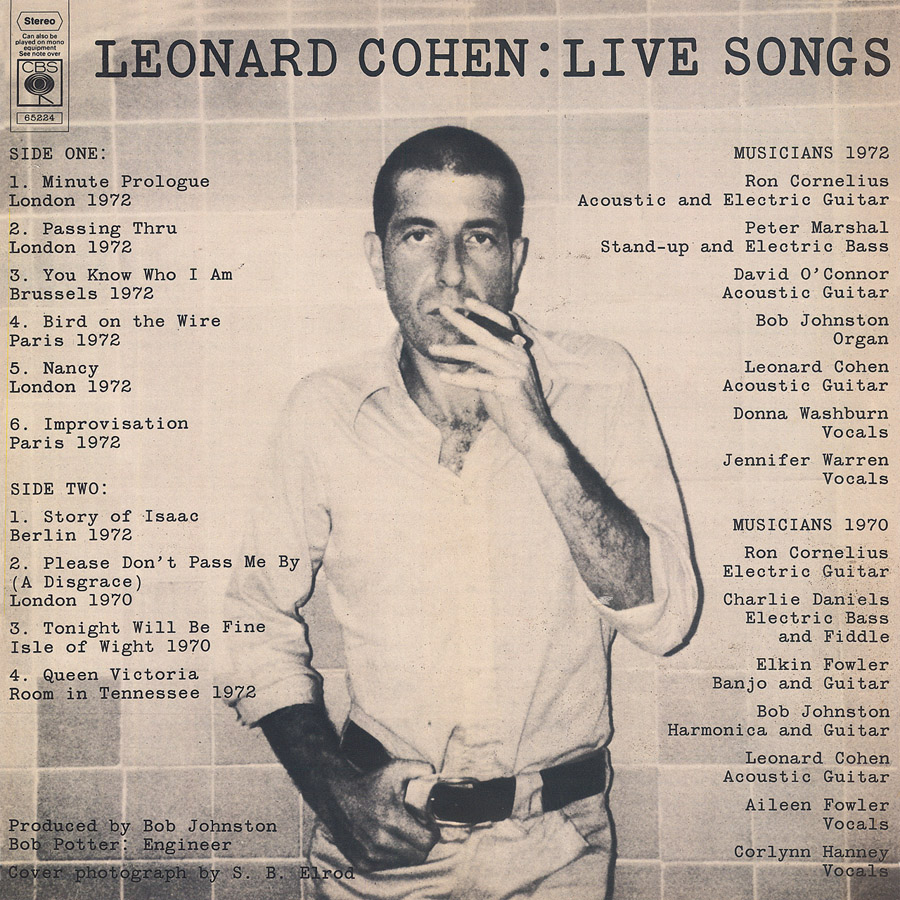
Leonard Cohen, Live Songs, cover art: Rosław Szaybo
This photo of Cohen was taken in a dressing room but it definitely has an association with being taken into custody. Szaybo played with this correlation and added a font to the image that resembled one used in writing up prison reports.
Outlining the Clash
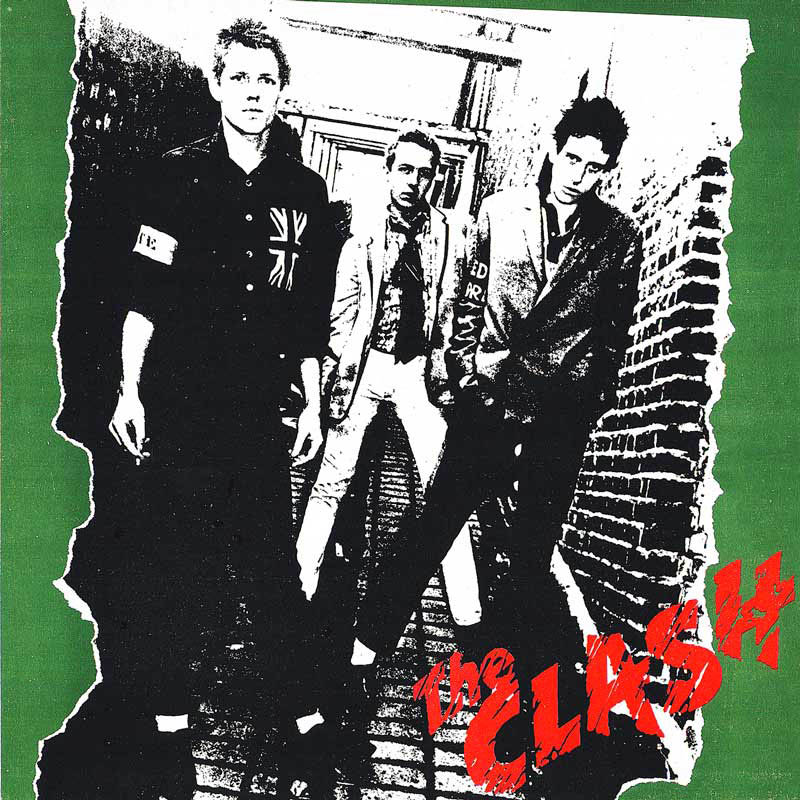
The Clash, The Clash, covr at: Rosław Szaybo
This legendary album cover was placed on the first release of the iconic punk group The Clash. While Rosław Szaybo designed it, he never signed the work due to interference with terms on its final appearance from the musicians and the manager .
Joplin’s Stockpile of Rock

Janis Joplin, Anthology, cover art: Rosław Szaybo
Released by CBS Records, this two-disc compilation of the American singer’s tracks from the 1980’s was designed by Rosław Szaybo. He worked at CBS for 16 years as their art director.
Riff-to-Head
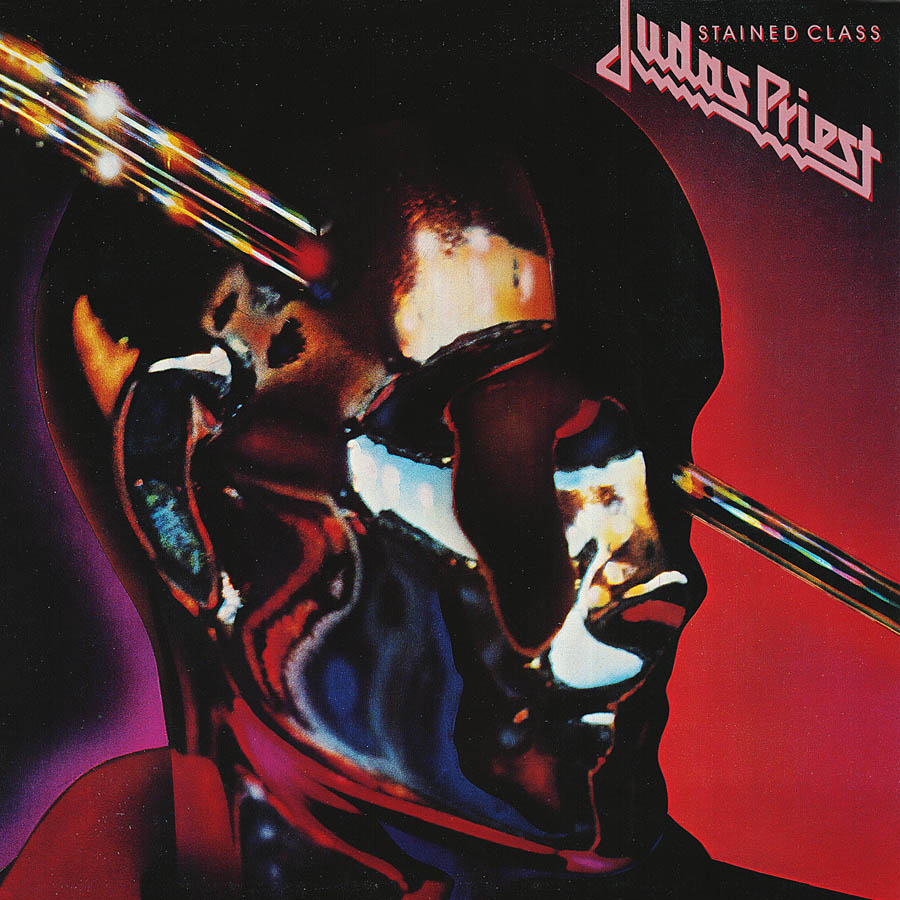
Judas Priest, Stained Class, cover art: Rosław Szaybo
Second only to British Steel for major releases, this album by Judas Priest was also designed by Szaybo. Interestingly enough, while the artist was friends with the band, he admitted that he “didn’t necessarily” listen to metal music.
Santana Insists
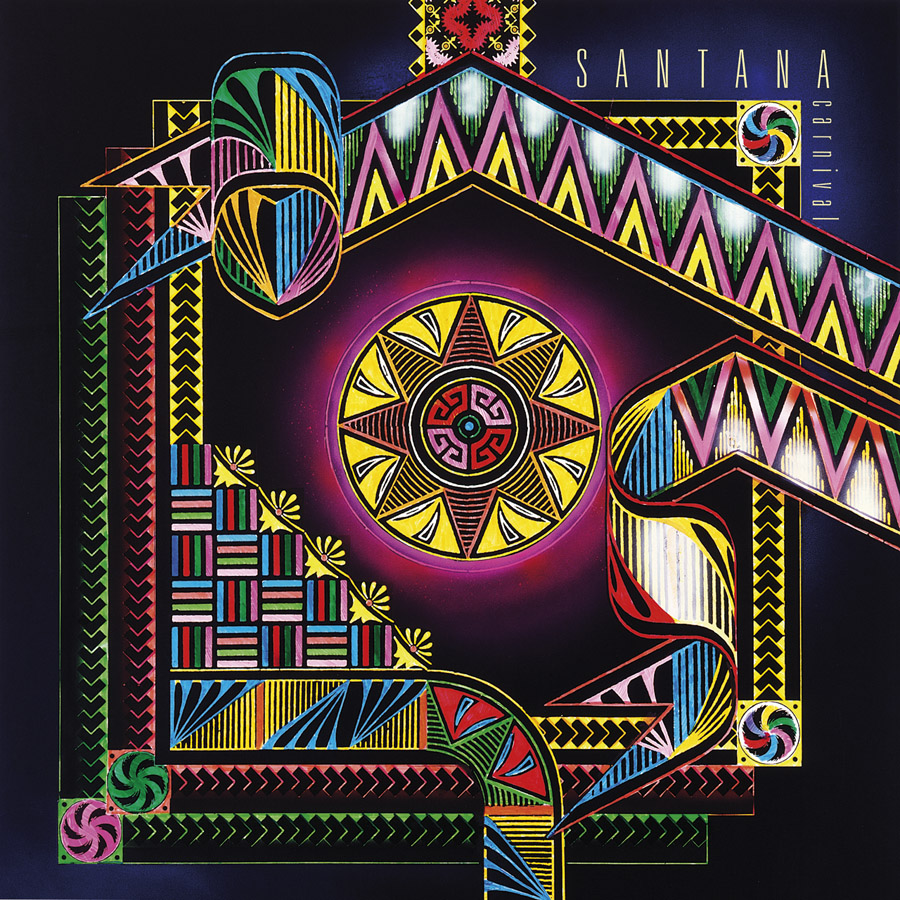
Santana, Carnival, cover art: Rosław Szaybo
Szaybo didn’t like the cover for Santana’s Moonflower album, based on a picture Carlos Santana gave him. Having nothing to do with the content of the music, Szaybo made the image for the single that would accompany the album, at the insistence of the guitar savant.
Records of Reggae

Bob Marley and The Wailers, Birth of the Legend, cover art: Rosław Szaybo
Bob Marley’s rise to international fame was in part due to his work with Island Records. Catching the wave, CBS got a hold of some archival recordings of the reggae artist and released this album featuring artistic design by Szaybo. Unfortunately the chosen tracks are less interesting than the cover art.
Pictured as Never Before

Eugene Ormandy, Beethoven, Symphony no. 9, cover art: Rosław Szaybo
This work earned Rosław Szaybo an award in the category of classical-music cover art.
A Polish Jazz Puzzle

Krzysztof Komeda, Astigmatic, cover art: Rosław Szaybo

Zbigniew Namysłowski Quartet, cover art: Rosław Szaybo
Szaybo designed the iconic logo for the famous Polish jazz ensemble that would go on to earn lasting recognition on the scene. The art draws attention to the three letters A, A and B located at the centre of Krzysztof Komeda’s album. Public response constantly questioned the meaning of these letters, and recently the designer revealed that “they mean nothing, it was meant for people to ask.”
Read more about this album here.
Facing the Light
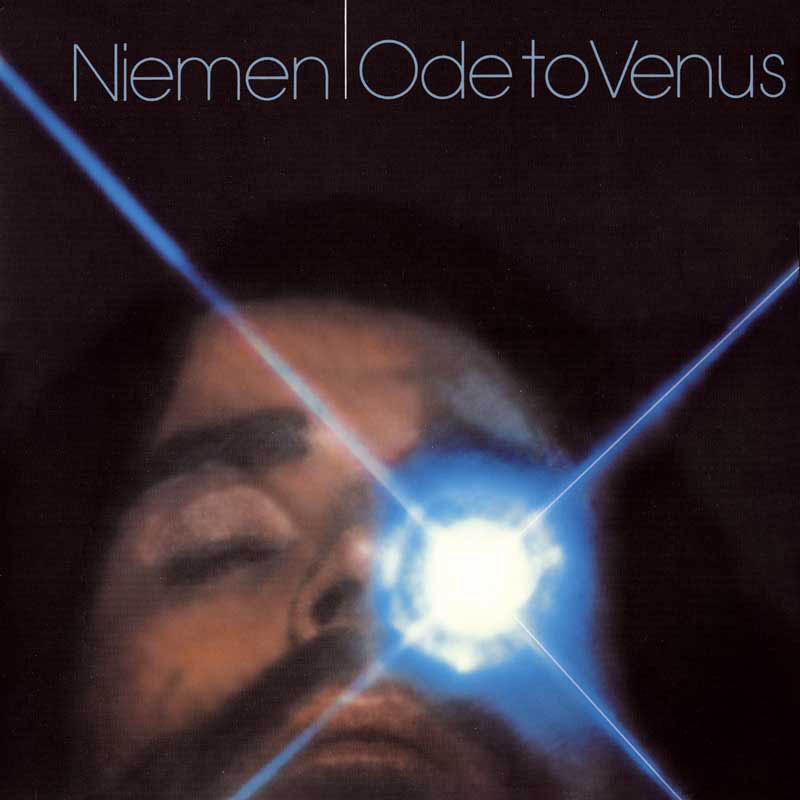
Czesław Niemen, Ode to Venus, cover art: Rosław Szaybo
The cover for the album by Czesław Niemen - Ode to Venus resulted in an image the Polish singer didn’t agree with. Niemen wanted the art to be designed with his own drawings but Szaybo vetoed the idea because he believed the musician's debut on the British market should be accompanied by an image of his face. As we see, they landed somewhere in between.
Royal and Limited
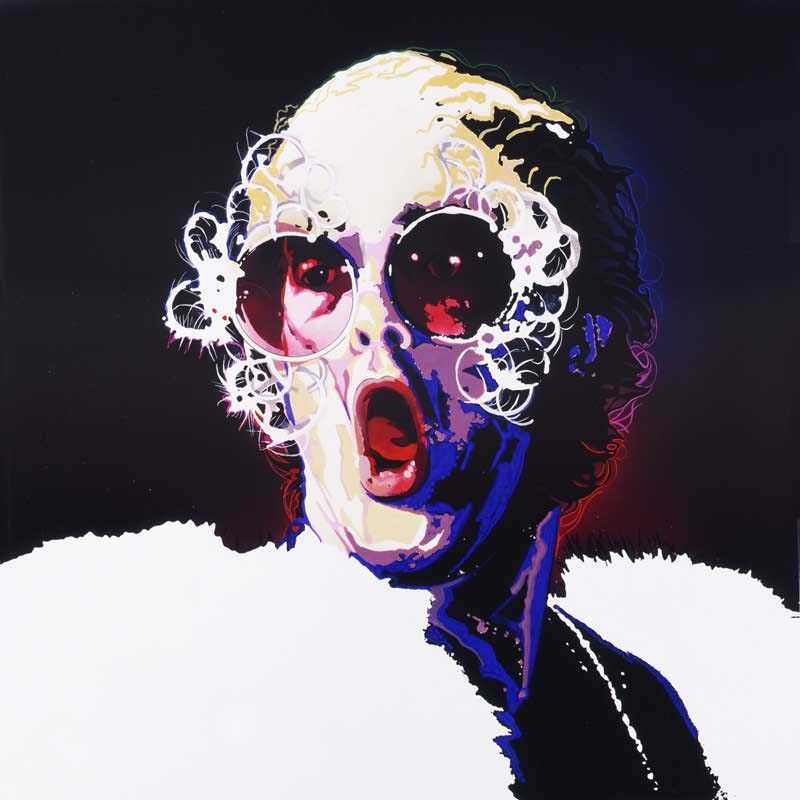
This cover was designed by Szaybo for a special limited release of an album by super popstar Sir Elton John.
Calling the Blues Spirit
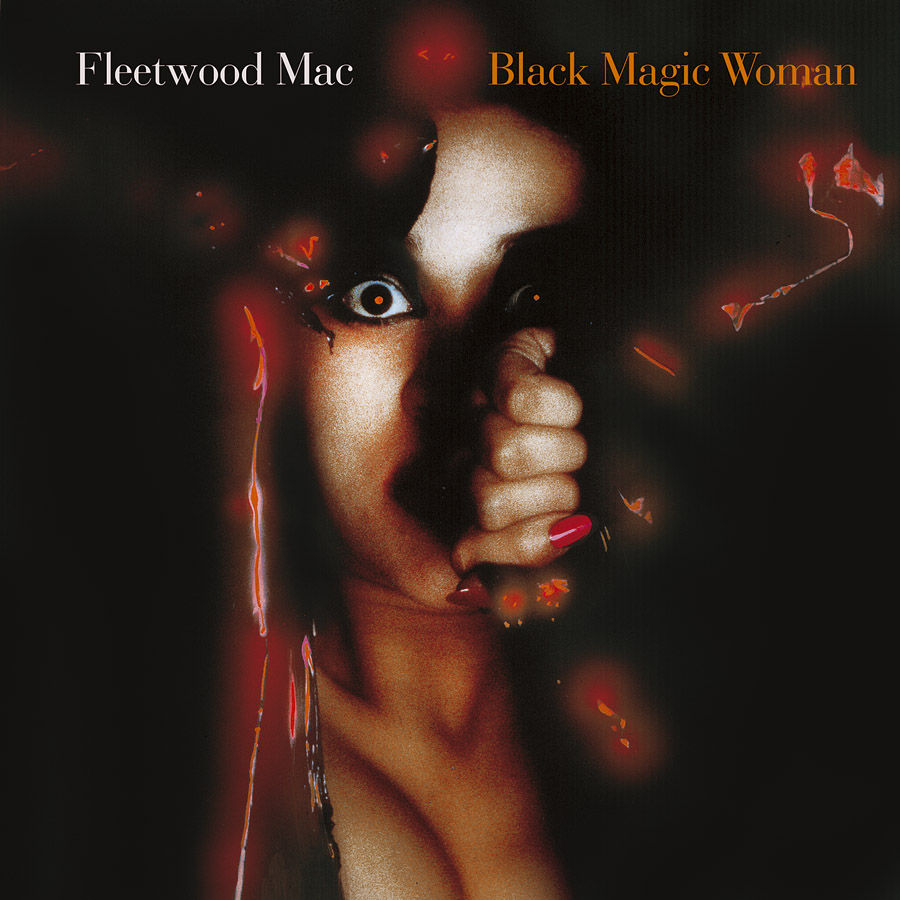
Fleetwood Mac, Black Magic Woman, cover art: Rosław Szaybo
Another compilation by the highly acclaimed British blues band. It shared its title with a song by Santana who made the phrase very popular.
Doubles in the Sunset
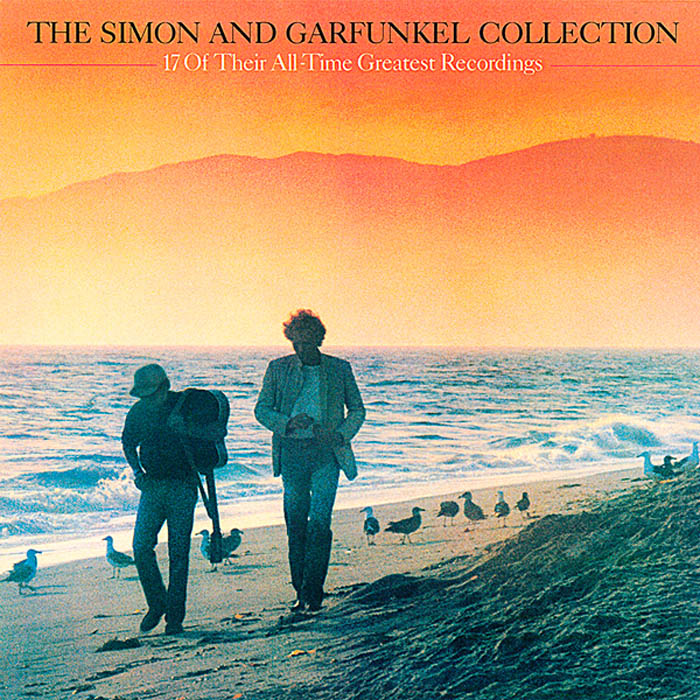
Simon and Garfunkel, 17 Of Their All-Time Greatest Recordings, cover art: Rosław Szaybo
Pictured in the image are not Simon and Garfunkel. Instead, doubles stand in because during the release of this album the musicians were not on speaking terms. In the casting for the roles more than 50 look-alikes appeared in Los Angeles.
Wallpaper for the Soft Machine
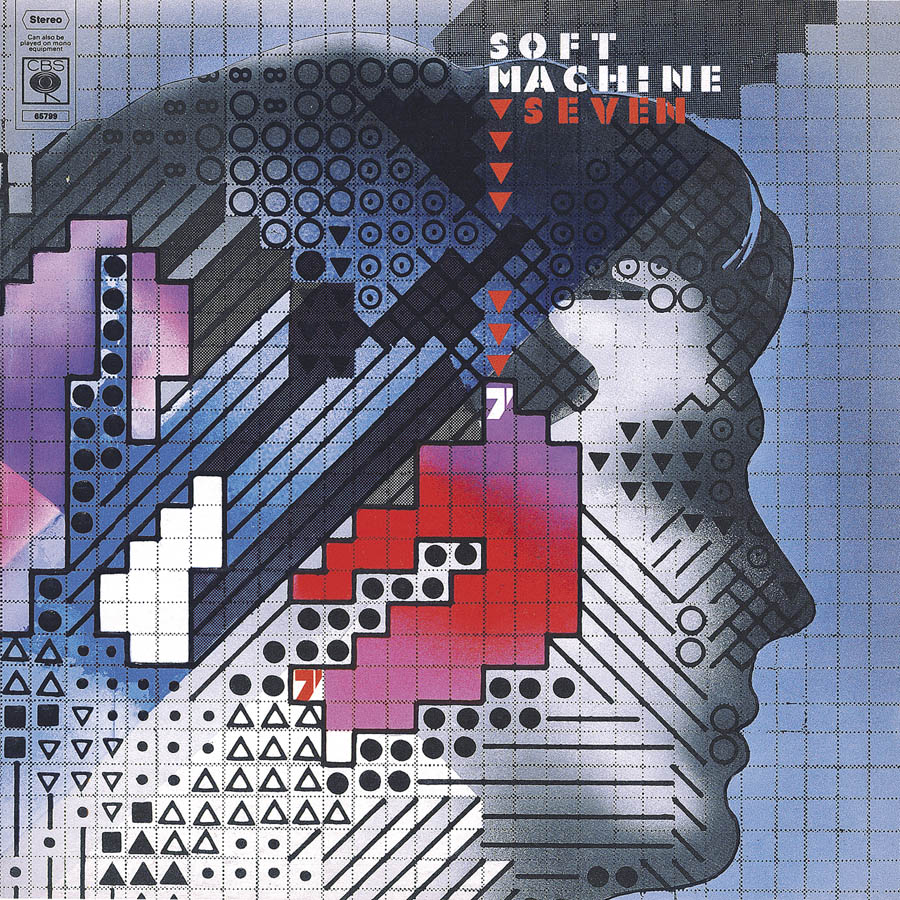
Soft Machine, Seven, cover art: Rosław Szaybo
For an unknown reason, this computerised cover for the great British jazz-rock band didn’t appear on the U.S. release.
Potions from the Doctor
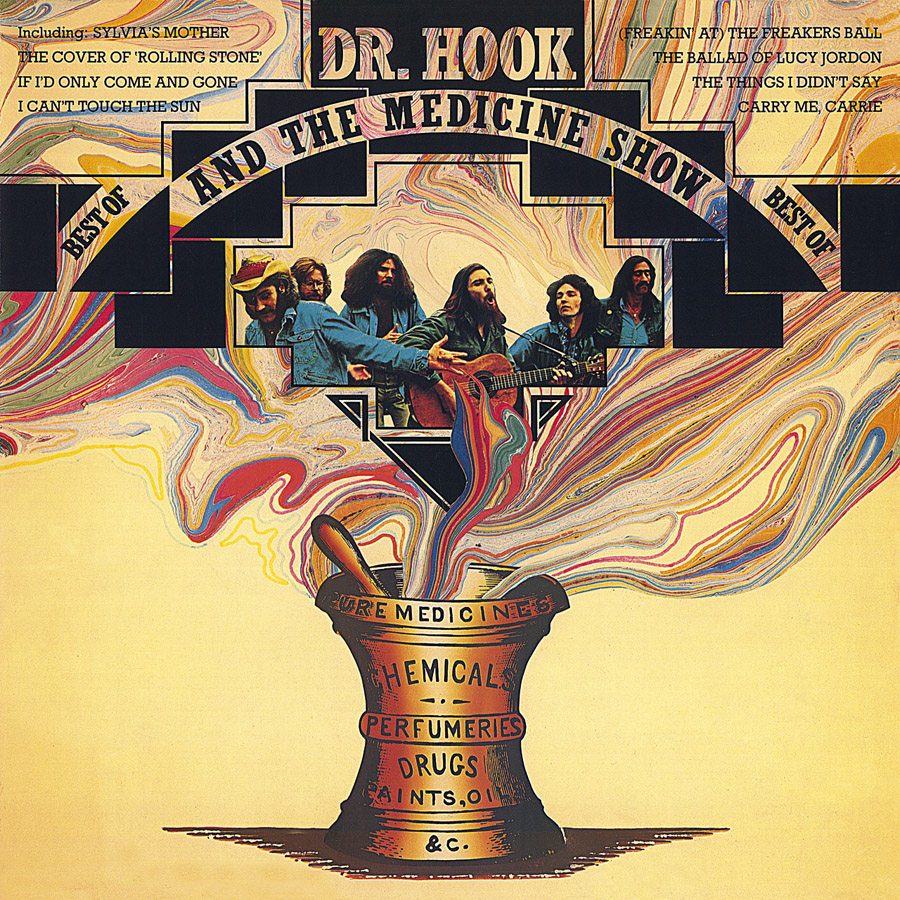
Dr. Hook and The Medicine Show, Best of, cover art: Rosław Szaybo
For his position at CBS in London as artistic director, Rosław Szaybo designed many compilation-album covers. This is one of the best examples of his skill in perfectly combining drawing and photography, which would later go on to symbolise his classic style.
Enduring Portrait
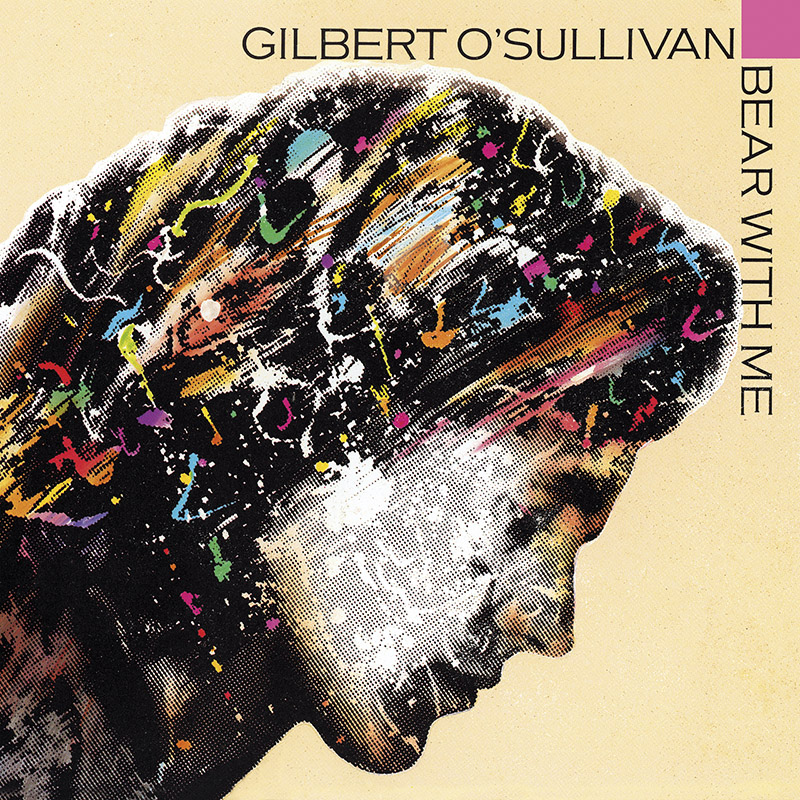
Gilbert O'Sullivan, Bear with Me, cover art: Rosław Szaybo
Creating a portrait in the style of Polish poster art from this 1970s, this type of style was yet to be seen for cover art in Britain during this period.
A Band Eclipsed
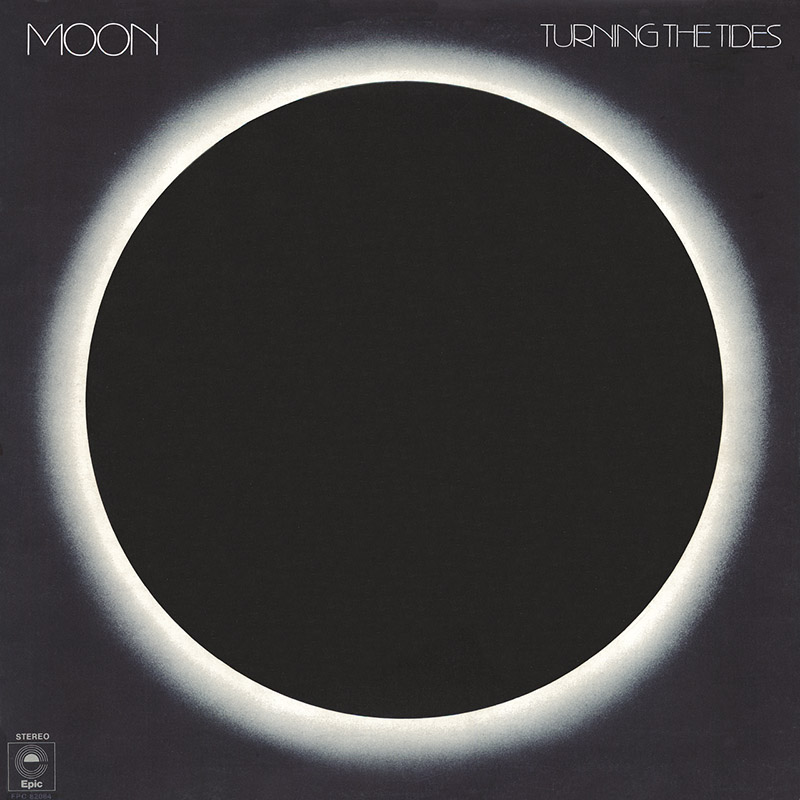
Moon, Turning the Tides, cover art: Rosław Szaybo
This classic cover designed by Szaybo holds some subtle irony in that the band remains relatively unheard of.
The Velvet Underground: The Last Round
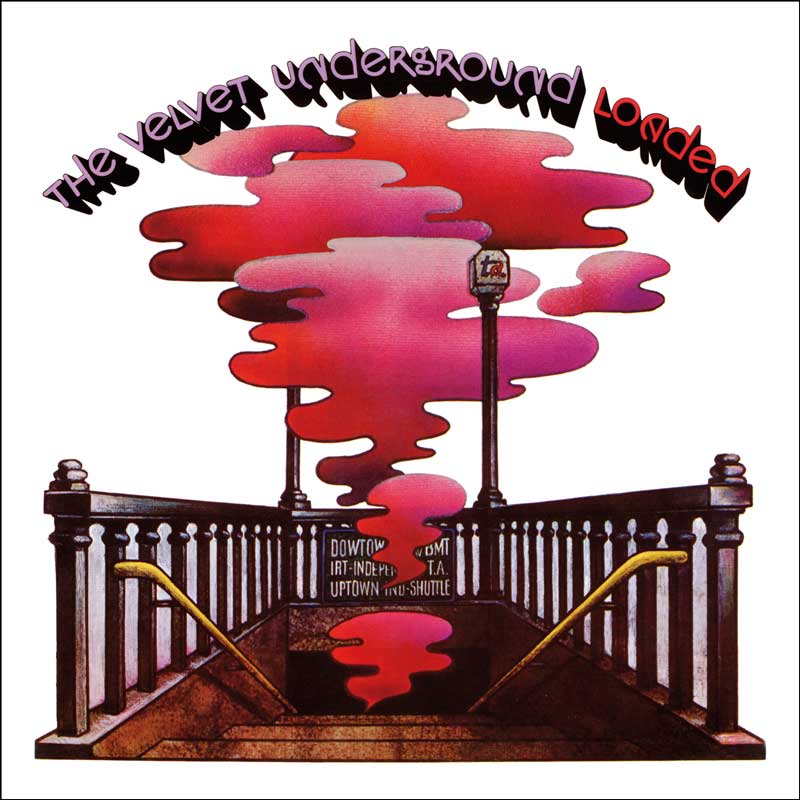
The Velvet Underground, Loaded, cover art: Stanisław Zagórski
The first album of this New York band was designed by Andy Warhol’s team, who Stanisław Zagórski greatly appreciated. Reminiscing about the source of inspiration for this cover the artist said: “the New York subways reminded me of a giant monster.”
Reflected
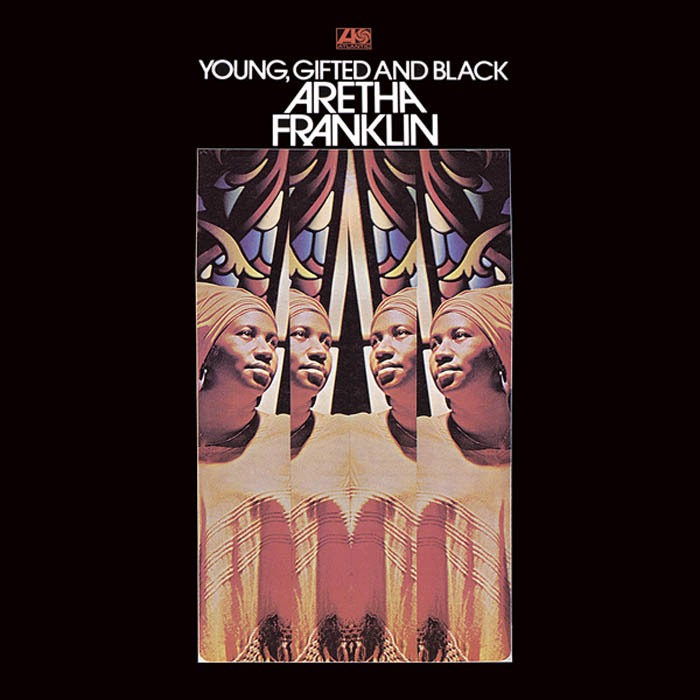
Aretha Franklin, Young, Gifted and Black, cover art: Stanisław Zagórski
To be the author of a design for one of the most amazing singers of all time is a very high achievement.
Dreamy Gig
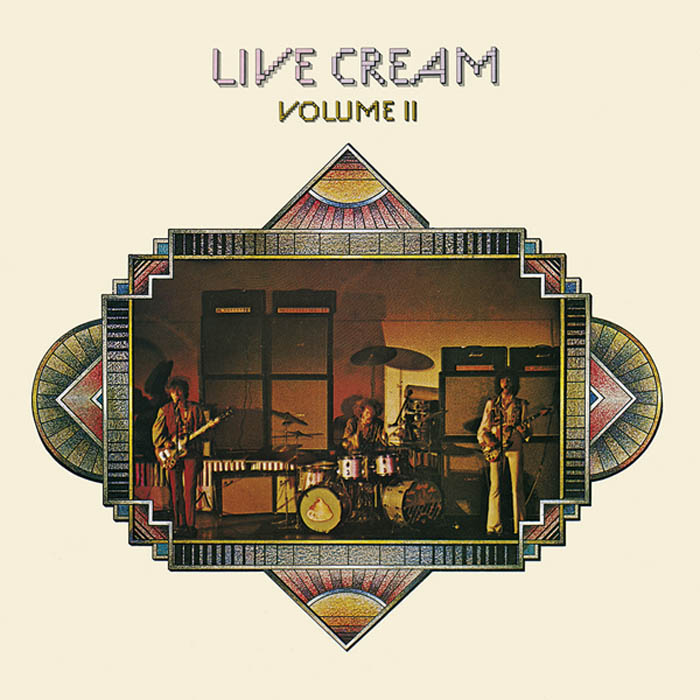
Cream, Cream Live volume II, cover art: Stanisław Zagórski
Not many graphic artists had the opportunity to design something for Eric Clapton’s famous super group Cream. Zagórski had previously contributed to the band’s album Wheels of Fire. However, for that piece the artist only contributed ideas to the psychedelic drawings. This time the live concert album featured his designs entirely.
Room Service Featuring Jazz
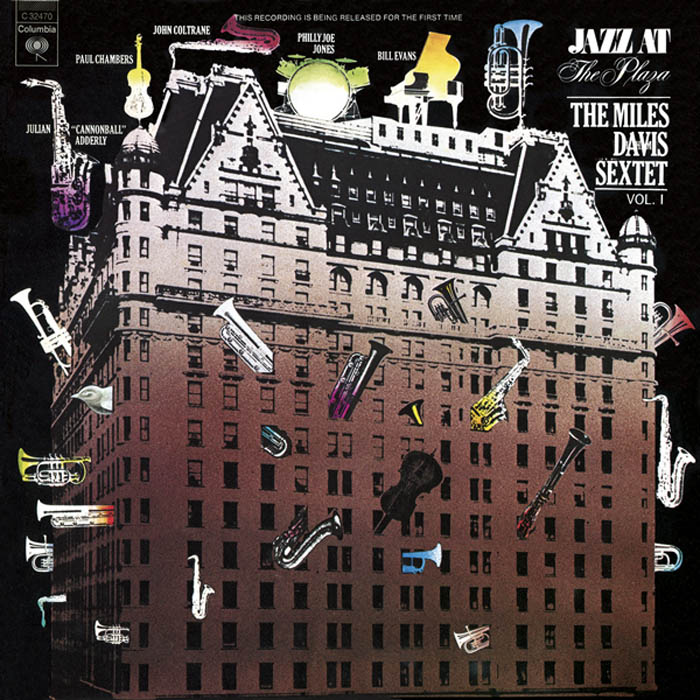
The Miles Davis Sextet, Jazz at the Plaza, vol. 1, cover art: Stanisław Zagórski
This album features lesser-known recordings from one of the most famous jazz musicians of the 20th century. The tracks come from the 1940s, the graphics from Zagórski. An album in a similar style was also made for Duke Ellington works.
Groovy Graphics

Soundtrack to the musical Hair, cover art: Stanisław Zagórski

Barney Kessel, Hair is Beautiful, cover art: Stanisław Zagórski
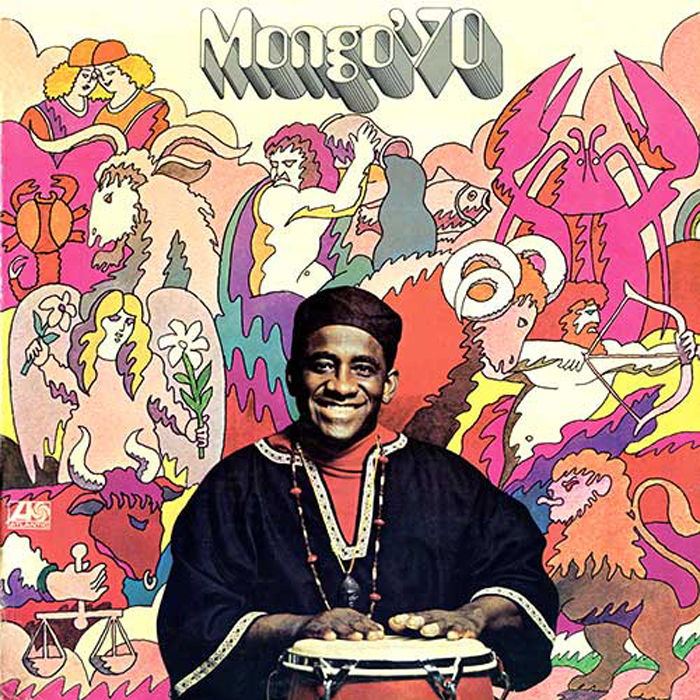
Mongo Santamaria, 70, cover art: Stanisław Zagórski
These covers exemplify Stanisław Zagórski’s typical methods of combining Polish poster style with hippy conventions from the 1960s.
Only One of its Kind
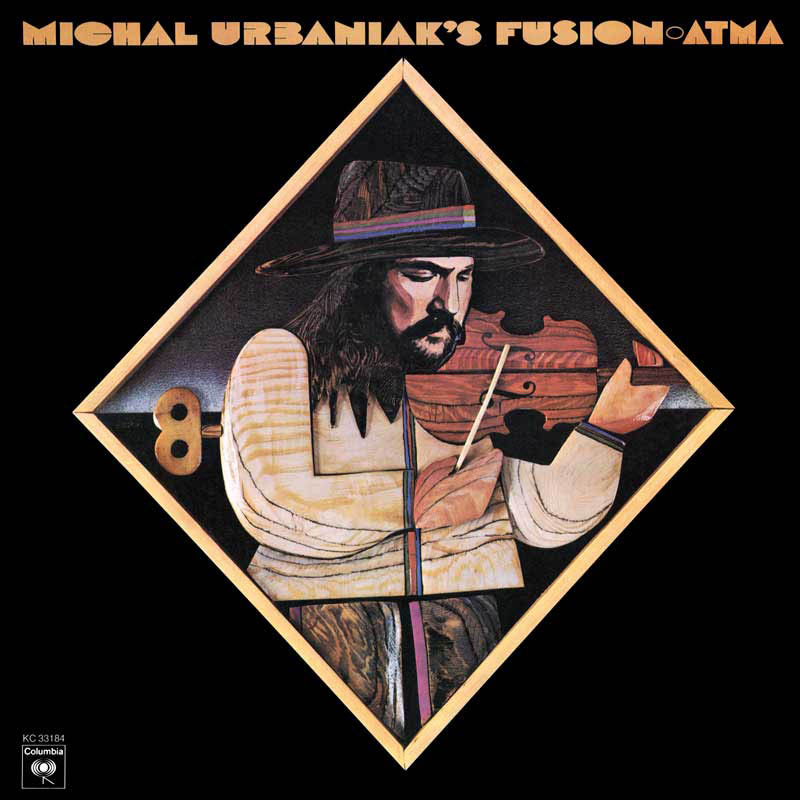
Michał Urbaniak, Atma, cover art: Stanisław Zagórski
This is the only art design created for a Polish musician by Zagórski.
Taking a Stand in America

The Modern Jazz Quartet, The Sheriff, cover art: Stanisław Zagórski
As the first cover designed by Zagórski to hit the American mainland, it was made in 1964 and has obvious influence from the Polish poster school and the style of Jan Lenica.
City Slickers
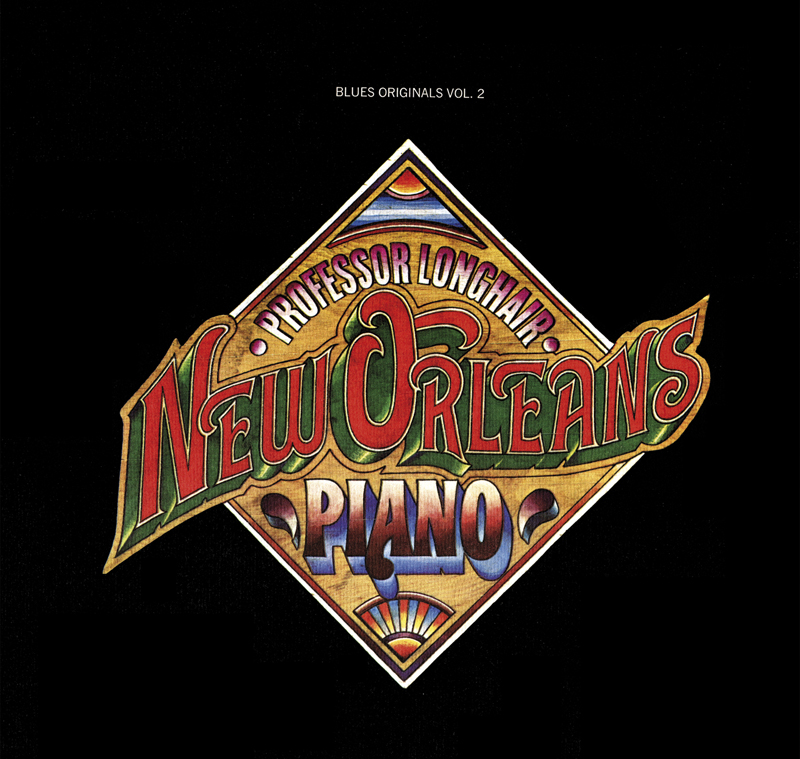
New Orleans Stompers, Dr Jazz, cover art: Stanisław Zagórski
Zagórski created a series of six covers for albums put out by these bluesmen. Each of the musicians was associated with a different city and so the graphic artist made designs in recognition of each one. This collection is one of Zagórski’s favourite projects.
One Frame for Soul
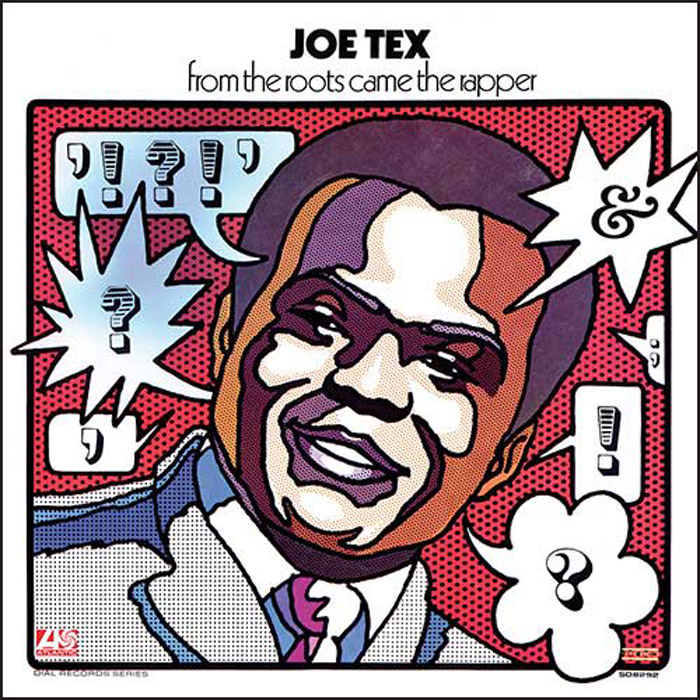
Joe Tex, From the Roots Came the Rapper, cover art: Stanisław Zagórski
In a reference to the comic pop art made popular by Roy Lichtenstein, Zagórski designed this cover for a leading performer of soul from the 1960s.
The Early Face Finder
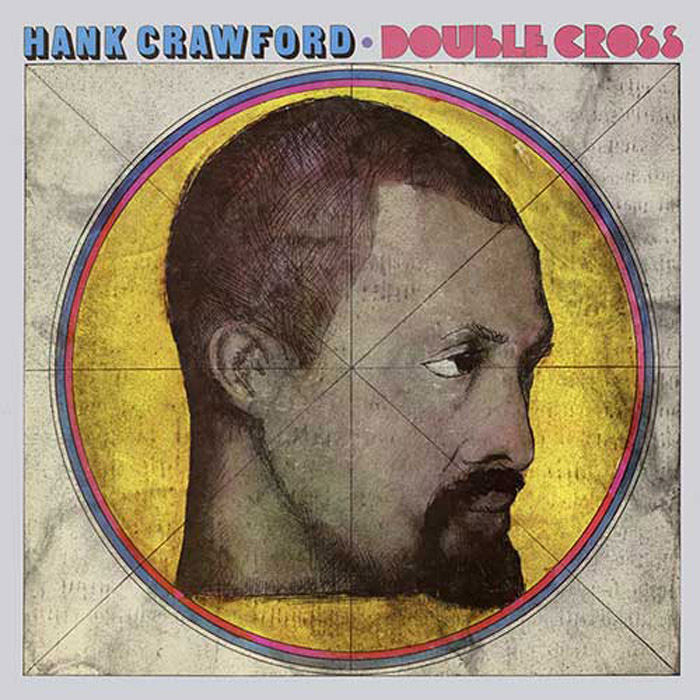
Hank Crawford, Double Cross, cover art: Stanisław Zagórski
Creating what appear to be painted or drawn portraits was one of the signature characteristics of Zagórski’s creative artwork.
Crank the Tunes
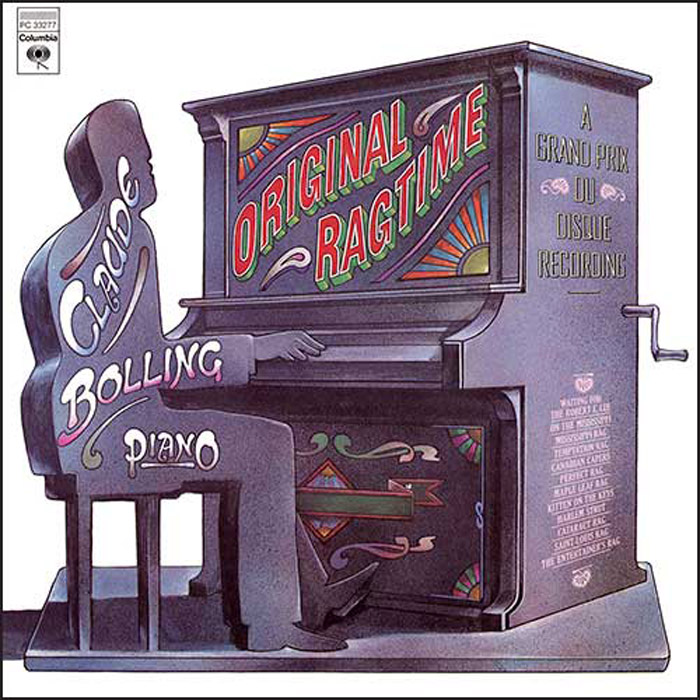
Claude Bolling, Piano, cover art: Stanisław Zagórski
While Zagórski mainly worked on projects with Atlantic Records, his friendship with John Berg sometimes got him projects with a competitor. The artistic director of Columbia Records was particularly found of assigning the artist archival-recording projects.
Double Player
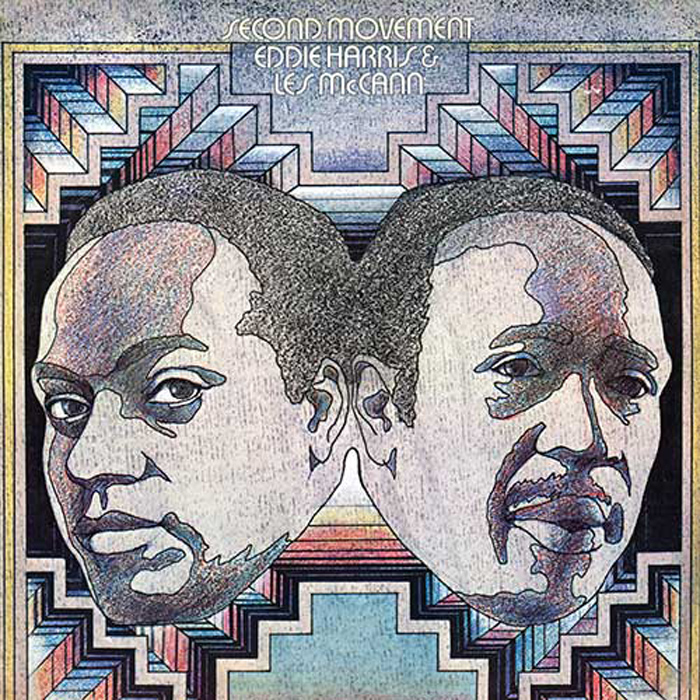
Eddie Harris and Les McCann, Second-movement, cover art: Stanisław Zagórski
As one of the most famous designs by Zagórski, this was the breakthrough album for a project that combined vocals, piano and saxophone conducted between these two popular jazz men.
Unseen
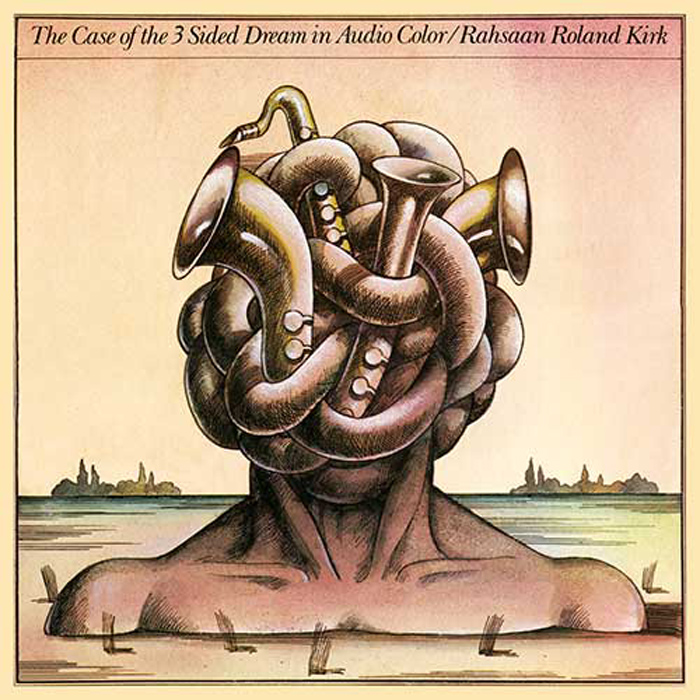
Rahsaan Roland Kirk, The Case Of The 3 Sided Dream In Audio Color, cover art: Stanisław Zagórski
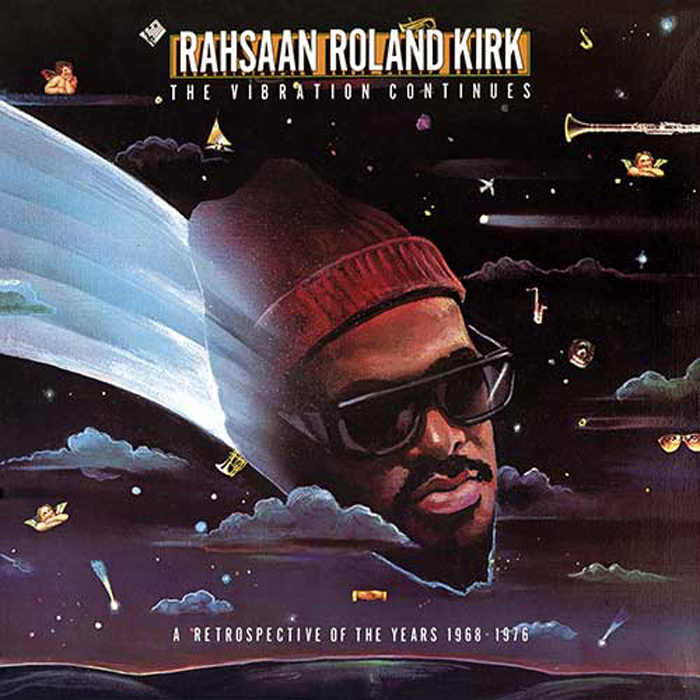
Rahsaan Roland Kirk, The Vibration Continues, cover art: Stanisław Zagórski

Rahsaan Roland Kirk, Left and Right, cover art: Stanisław Zagórski
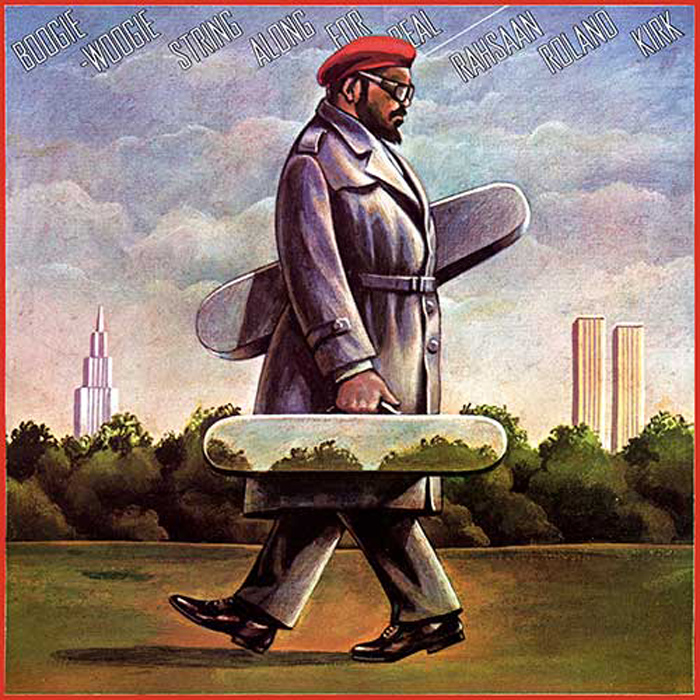
Rahsaan Roland Kirk, Boogie-Woogie String Along For Real, cover art: Stanisław Zagórski
Rahsaan Roland Kirk became famous for his ability to play numerous wind instruments simultaneously. In the first graphic this is perfectly illustrated by the musician's head being tangled up in trumpets and saxophones. While Zagórski designed many covers for him, Kirk never saw any of them - he was blind.
The Pen is Mighty
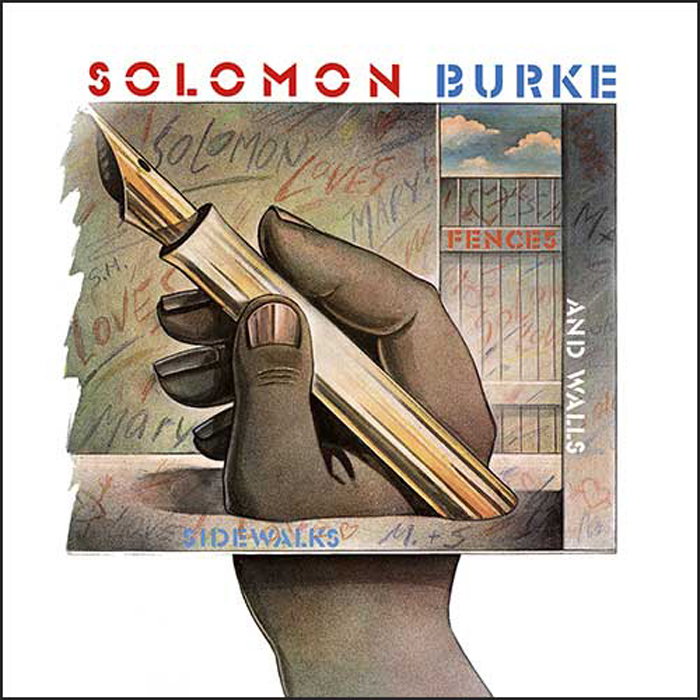
Solomon Burke, Fences, cover art: Stanisław Zagórski
For over 30 years Zagórski taught at the prestigious Tyler School of Art at Temple University in Philadelphia. Images of a hand holding a pen are seen as references to his teaching career.
Tinted Blue
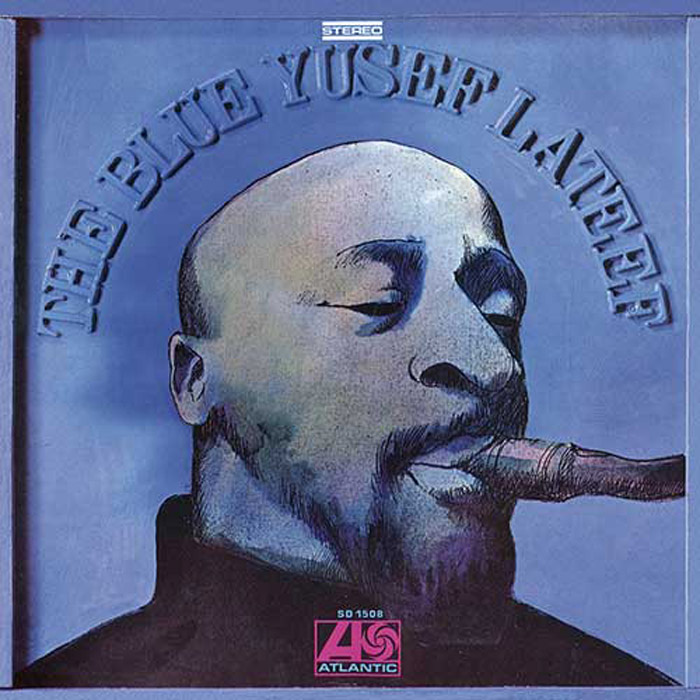
Yusef Lateef, The Blue, cover art: Stanisław Zagórski
Yusef Lateef introduced instruments from the Middle and Far East like the tambura and koto to the world of jazz. Both the musician and the graphic artist reflect each other’s abilities to effectively combine experimentation and accessibility with this album.
Jazz Alchemy
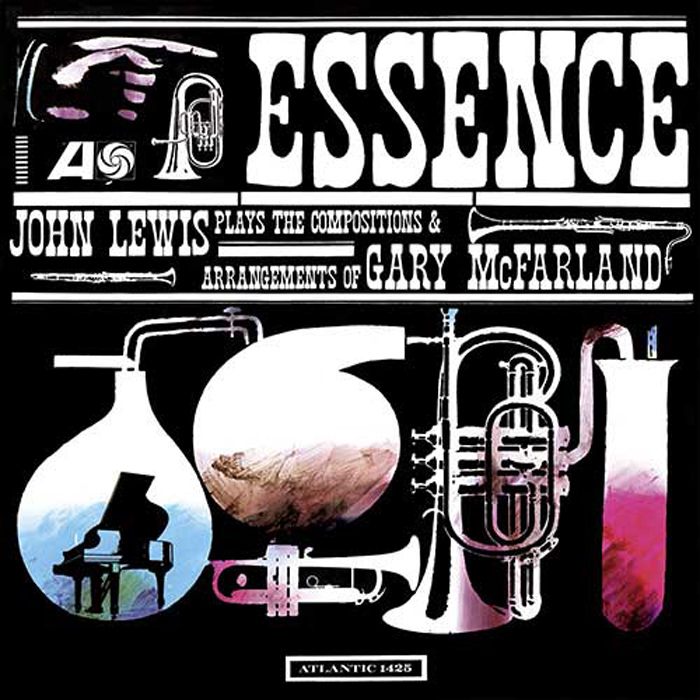
John Lewis, Essence, cover art: Stanisław Zagórski
A style of illustration typical to the Polish poster school, this cover references the alchemy workshop from the avant-garde film director Julian Antonisz.
Blended Hues

Clifford Jordan, Soul Fountain, cover art: Stanisław Zagórski
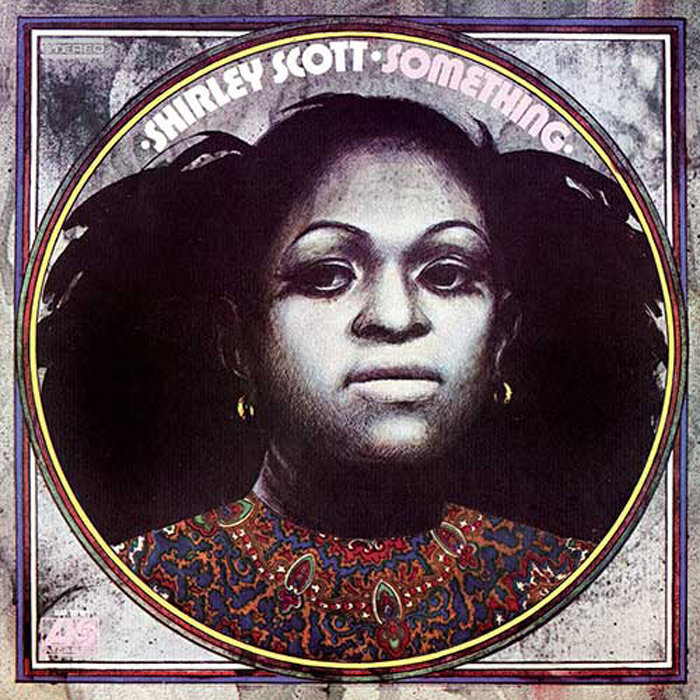
Shirley Scott, Something, cover art: Stanisław Zagórski
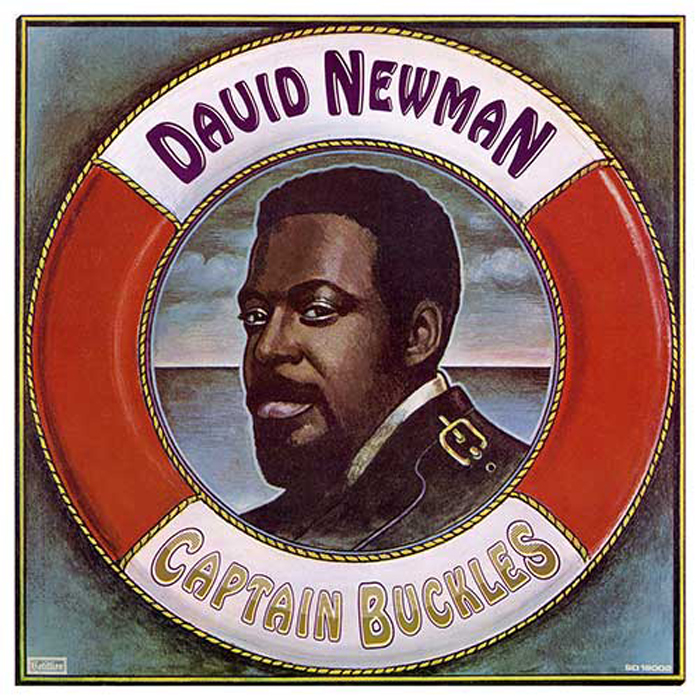
David Newman, Captain Buckles, cover art: Stanisław Zagórski
The art style of these works are an allusion to African American iconography including images from old albums and posters announcing concerts. This series shows how Zagórski was able to blend themes from the 1920s and '30s with the more colourful 1960s and '70s.
Genesis of Hayes
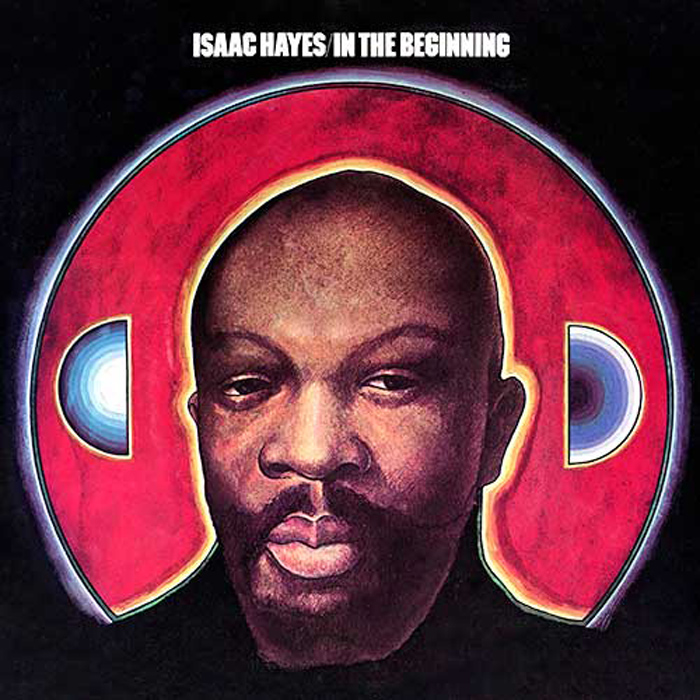
Isaac Hayes, In the Beginning, cover art: Stanisław Zagórski
As one of the best portraits ever done by Zagórski, this cover is frequently reproduced in albums dedicated to phonographic graphics.
Psychic Pixels?
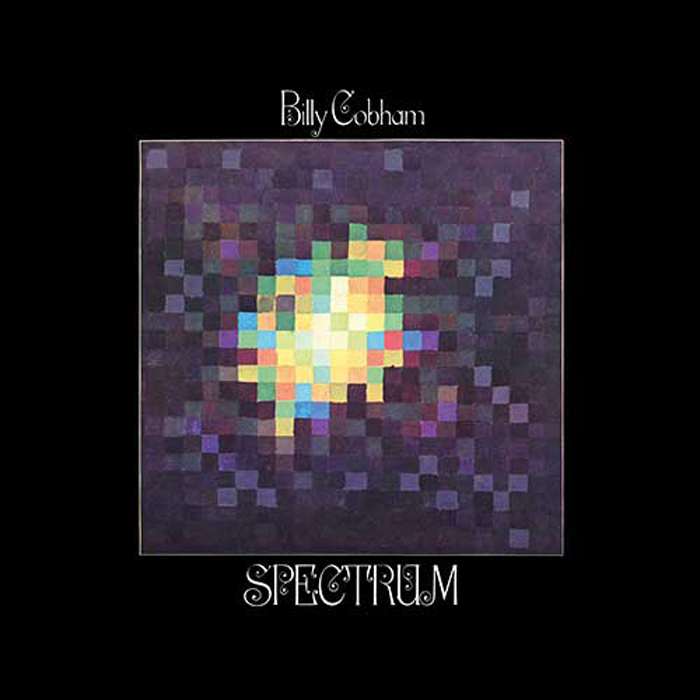
Billy Cobham, Spectrum, cover art: Stanisław Zagórski
The powerful album by this jazz fusion drummer was designed well before the explosion of video games as a form of entertainment. Neither Zagórski nor Cobham could have foreseen the inclusion of one of these tracks in Grand Theft Auto IV.
Hot Wheels
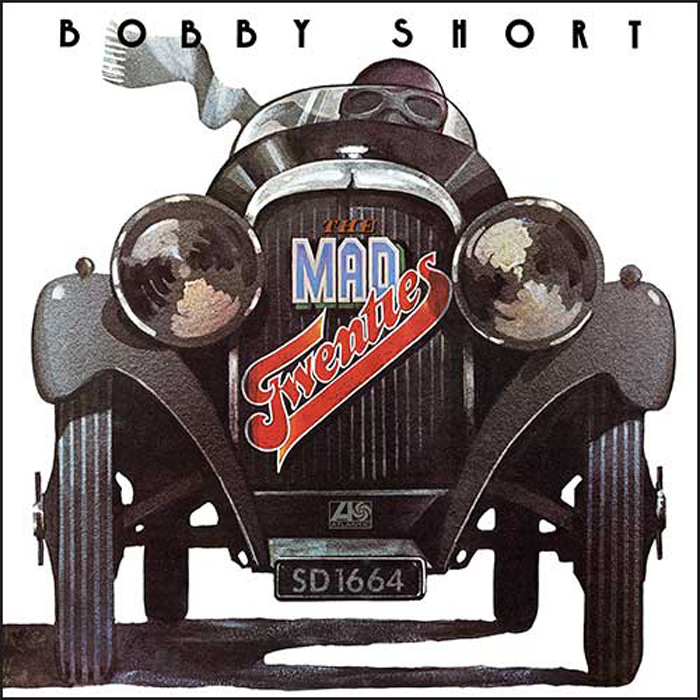
Bobby Short, The Mad Twenties, cover art: Stanisław Zagórski
Zagórski great passion for sports cars shines through in this design.
Feel it?
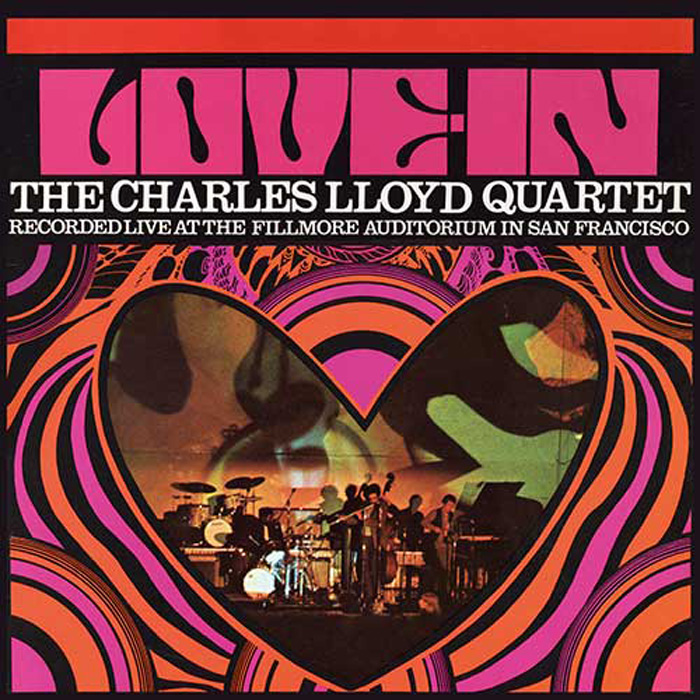
The Charles Lloyd Quartet, Love In, cover art: Stanisław Zagórski
The way by which these musicians created their innovative jazz riffs was known for its ability to open the hearts of all listeners to the genre. Drawn in Zagórski signature hippy style, the love is clearly felt.
Adults Only
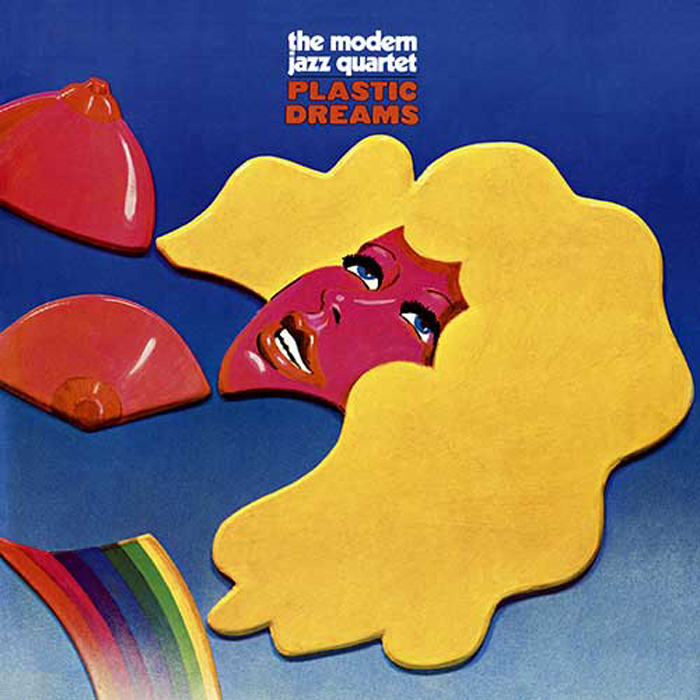
The Modern Jazz Quartet, Plastic Dreams, cover art: Stanisław Zagórski
This cover design outraged the fans of the classical jazz band and they accused Zagórski of creating an inconsistent image with the tone of the music. A portrait of a plastic doll meant to satisfy men’s lust verged on the edge of indecent in the 1970s.
Rockin’ Ram
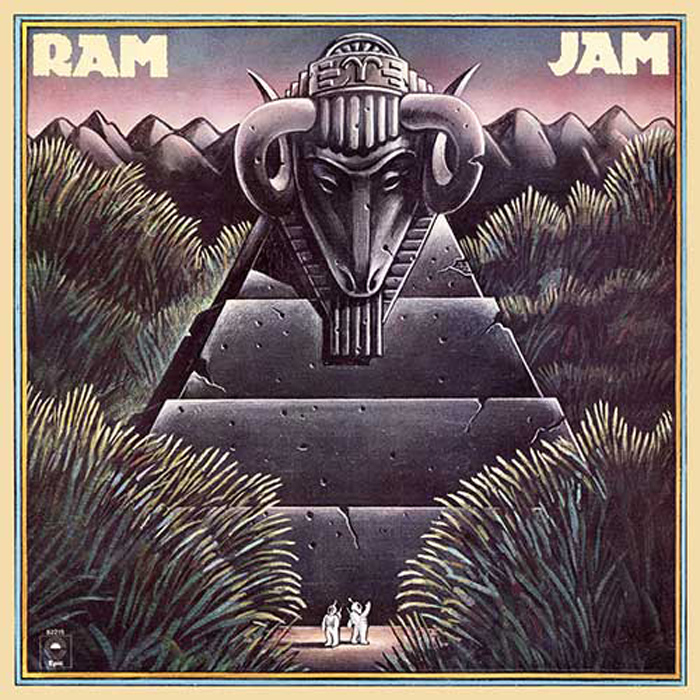
Ram Jam, Ram Jam, cover art: Stanisław Zagórski
Made popular for their mega-hit Black Betty, Zagórski designed their album cover in his characteristic style while emphasising their rock qualities.
Author: Grzegorz Brzozowicz, editors: Jakub Nikodem and Filip Lech, 4/09/2013, translation SMG 17/10/2013