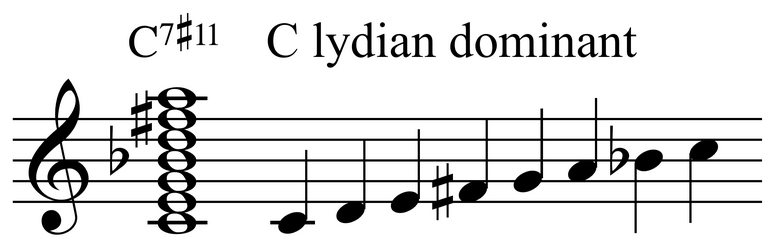
After a concert in Lviv devoted entirely to his works, Szymanowski was approached by Professor Adolf Chybiński, who at that time was preoccupied with his studies of the music of the Gorals (people living in the Polish highlands of the Podhale region). He played a few songs on a piano, presenting the harmonic and melodic specifics of Goral music to Szymanowski. Although Szymanowski really liked Chybiński's
discovery, at that time he was sceptical about the general value of introducing folklore into contemporary classical music. He was heard referring to it as ‘the easiest way out, undeserving of a real composer’.
In 1921, on his way back from the USA, Karol Szymanowski met Igor Stravinsky, a composer he deeply respected and a mentor who had already changed his way of thinking about music, back in 1913 when Szymanowski heard The Rite Of Spring for the first time. This time, Stravinsky presented him with sketches of his nascent new ballet Les Noces, a work he believed to perfectly reflect the substance of the Russian spirit. The most visionary part of it was that there were no direct quotes from Russian folk melodies or poems. Stravinsky managed to draw out the essence of emotions, nostalgia and Russian character but used his own ways of expression.
This new approach to the idea of primitivism was a much-needed way out for Szymanowski, who had struggled with
his average affection for Polish folk music, which was looked down on this those days. On the other hand, he wanted to follow Stravinsky’s path, feeling that accurately re-purposed folklore could be a source of the freshest inspiration. He immediately recalled meeting Professor Chybiński and formulated a plan to give himself a deeper understanding of Polish Goral music and culture. Due to his health problems (a respiratory disease that turned out to be tuberculosis), he was already a frequent visitor to mountain health resorts and had a passion for this region.
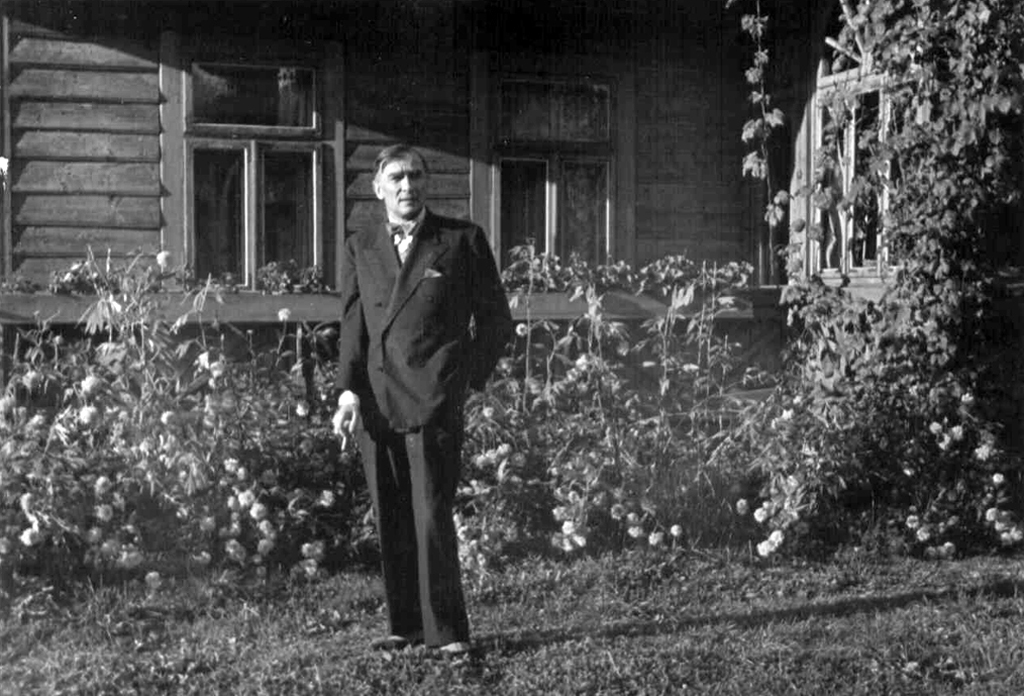
Karol Szymanowski outside the Atma villa in Zakopane, 1935, photo: Antoni Wieczorek / National Museum in Kraków
Right after his return to Warsaw, he met two poets who had just became mountain enthusiasts – Jarosław Iwaszkiewicz and Mieczysław Rytard. They were back from a long visit to Zakopane (the capital of the Podhale region) and jumped on the idea of creating an interdisciplinary work that introduced Goral folklore into high art.
What does the Podhale highlanders’ folk music sound like?
The Podhale region has a truly unique folk culture, with clothes, music, architecture, and a dialect very distinct from Polish, as well as strong inclusivity.