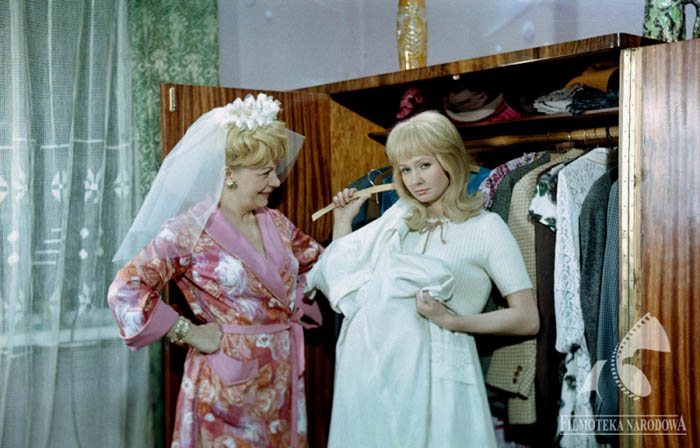
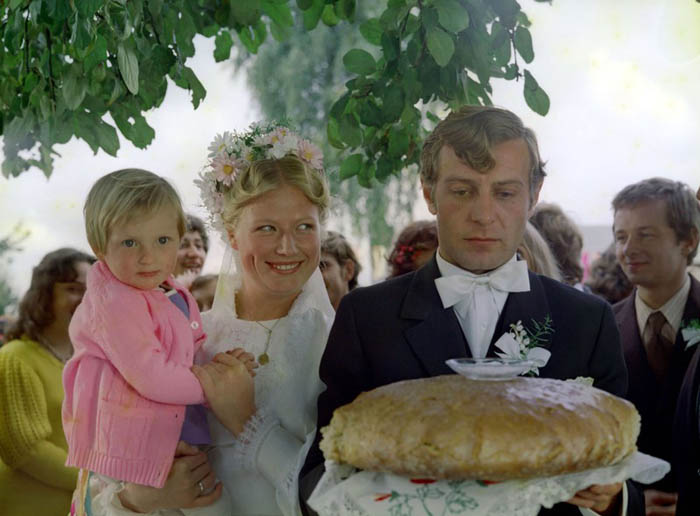
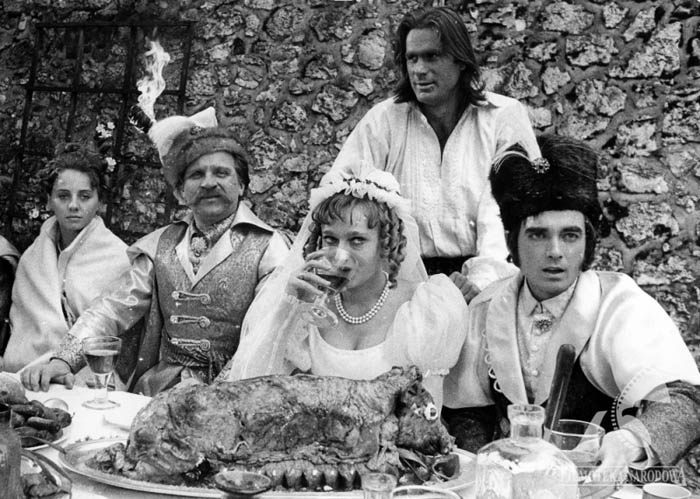
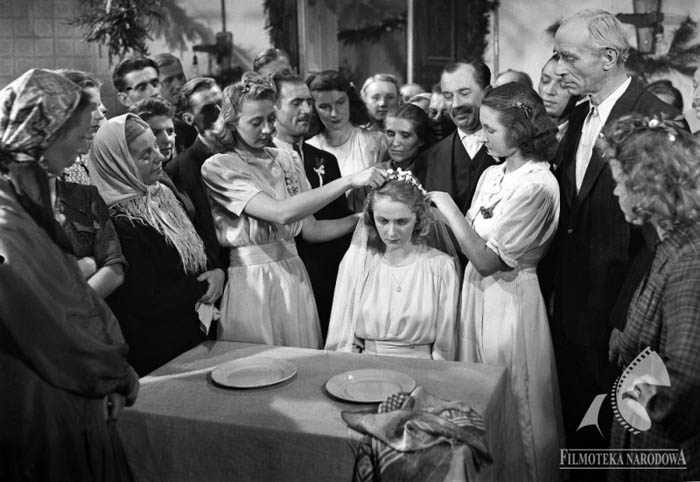
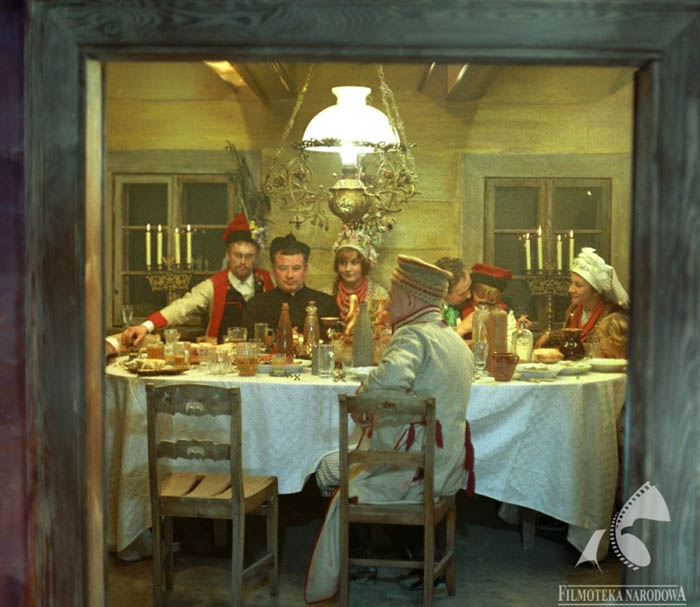
A full Catholic ceremony can be long. While you’re listening, take a second to see if the bride and groom have observed a number of older superstitions.
When she is walking down the aisle, it’s crucial the bride not trip over her veil. Since it is also critical that she not look back to make sure it’s properly positioned, responsibility for minding the veil falls on the bride’s attendant.
Next check out the bride’s shoes. Tradition has it that they mustn’t be open-toed – future wealth and fortune would fly right through any open toes. The wrong shoe is not the only accessory choice that can doom the marriage – custom dictates that brides never wear real pearls, as they will bring a lifetime of misery.
If you see the bride subtly move a patch of her wedding dress to cover the top of her groom’s shoe, she might be following the old belief that this will give her a position of dominance in the relationship. Those worried about the future of the couple also should keep an eye on any candles lit on the altar. Tradition says if one goes out during the ceremony, either the bride or the groom will die young.
Also, odds are if you’re at a Polish wedding, the name of the month it's taking place in probably contains the letter ‘r’ (in Polish, that includes March, June, August, September, October and December). It’s thought that these months bring good luck to a marriage and are thus the most popular times to plan a wedding.