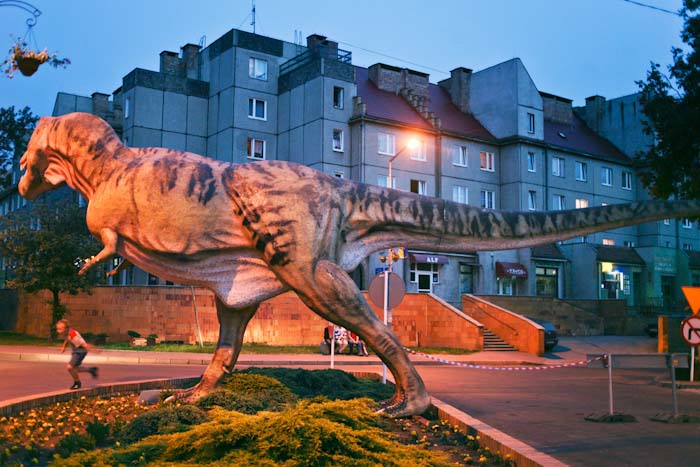
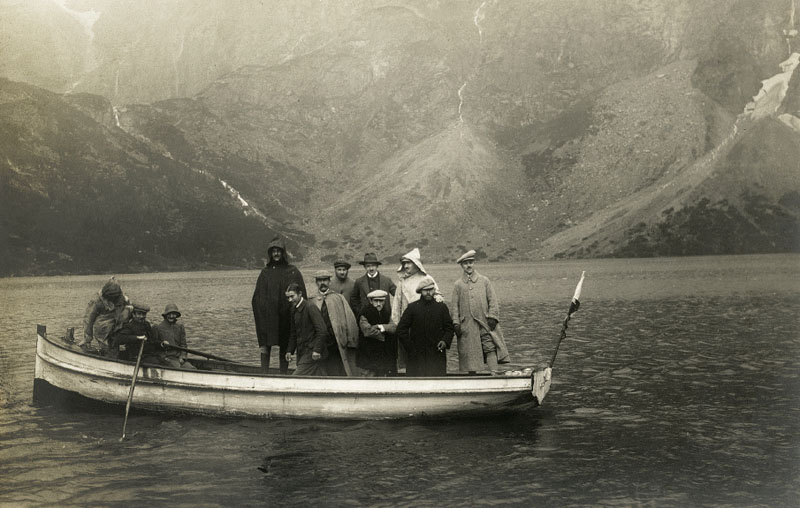
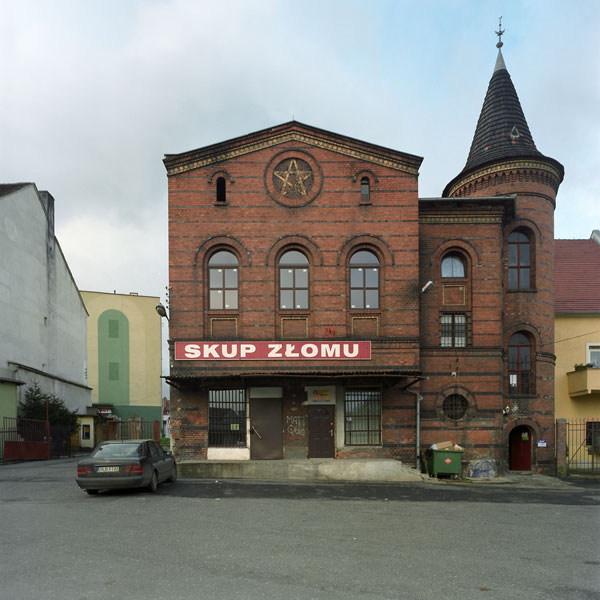
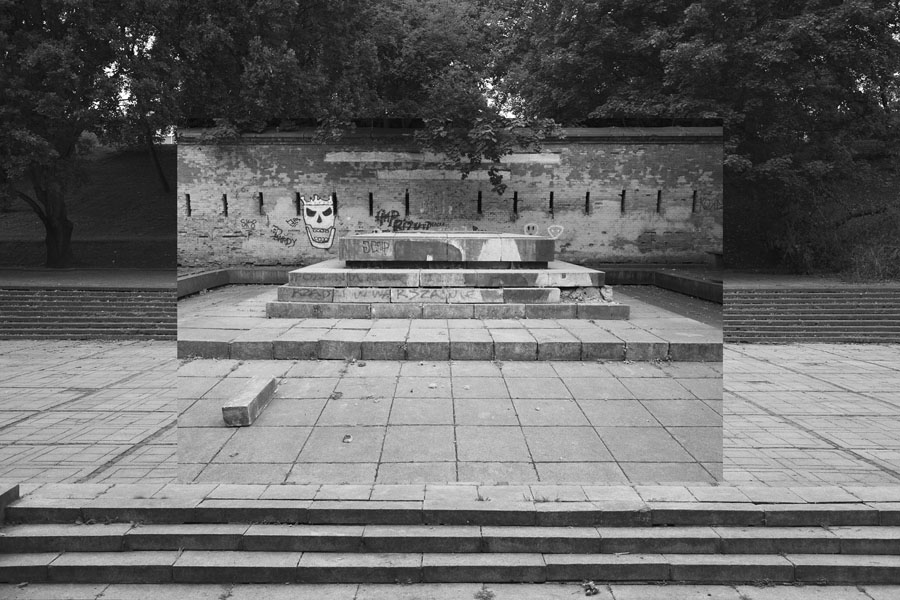
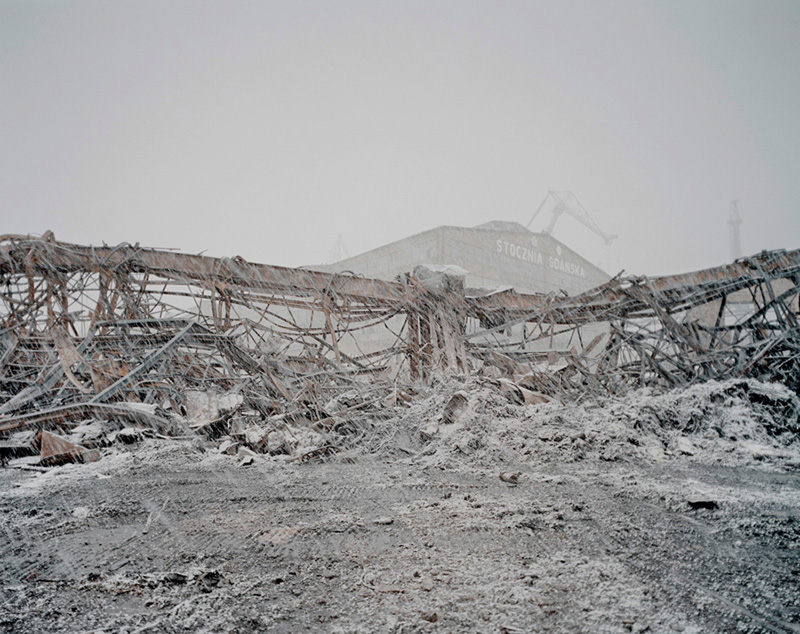
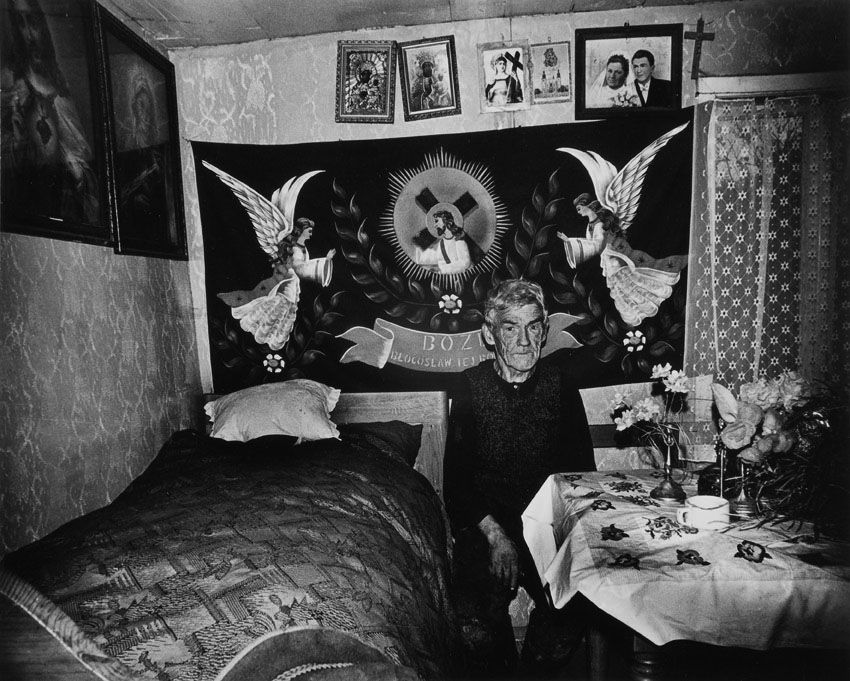
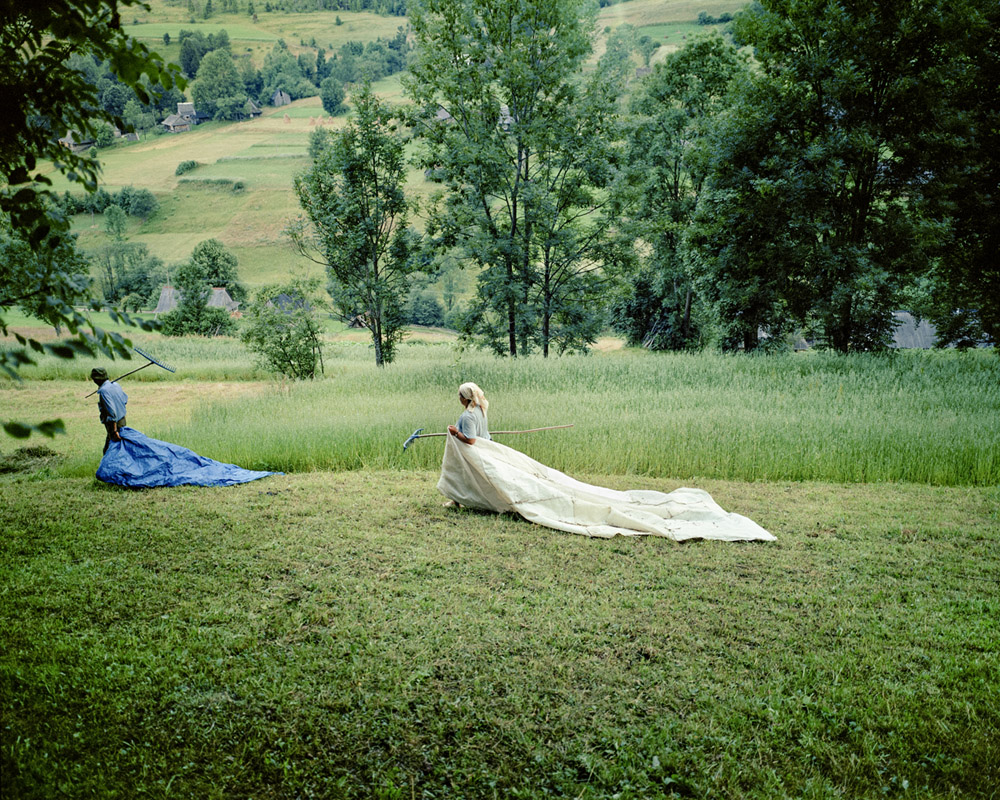
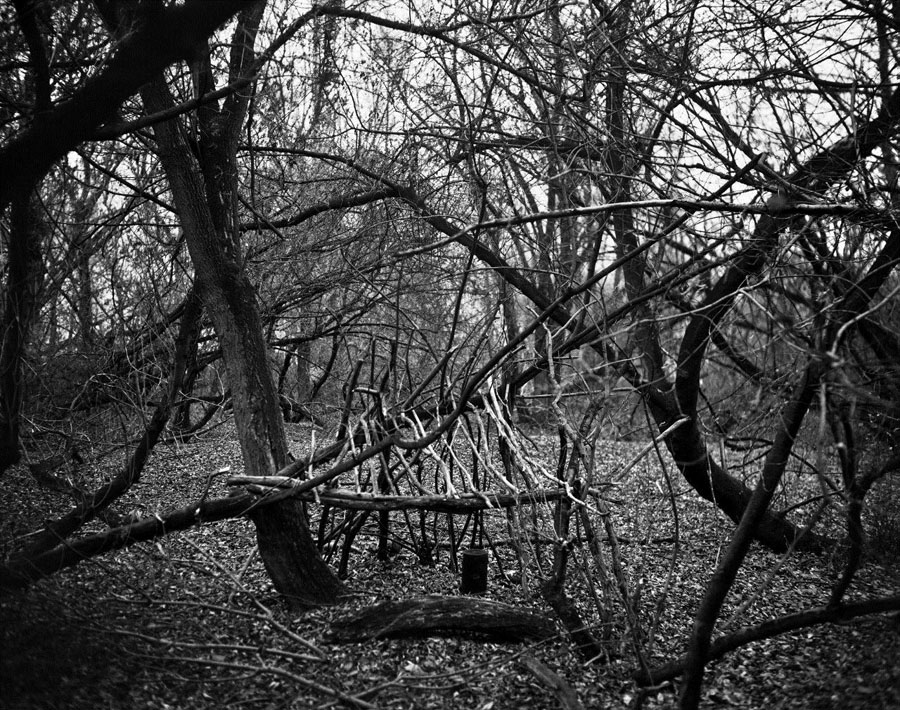
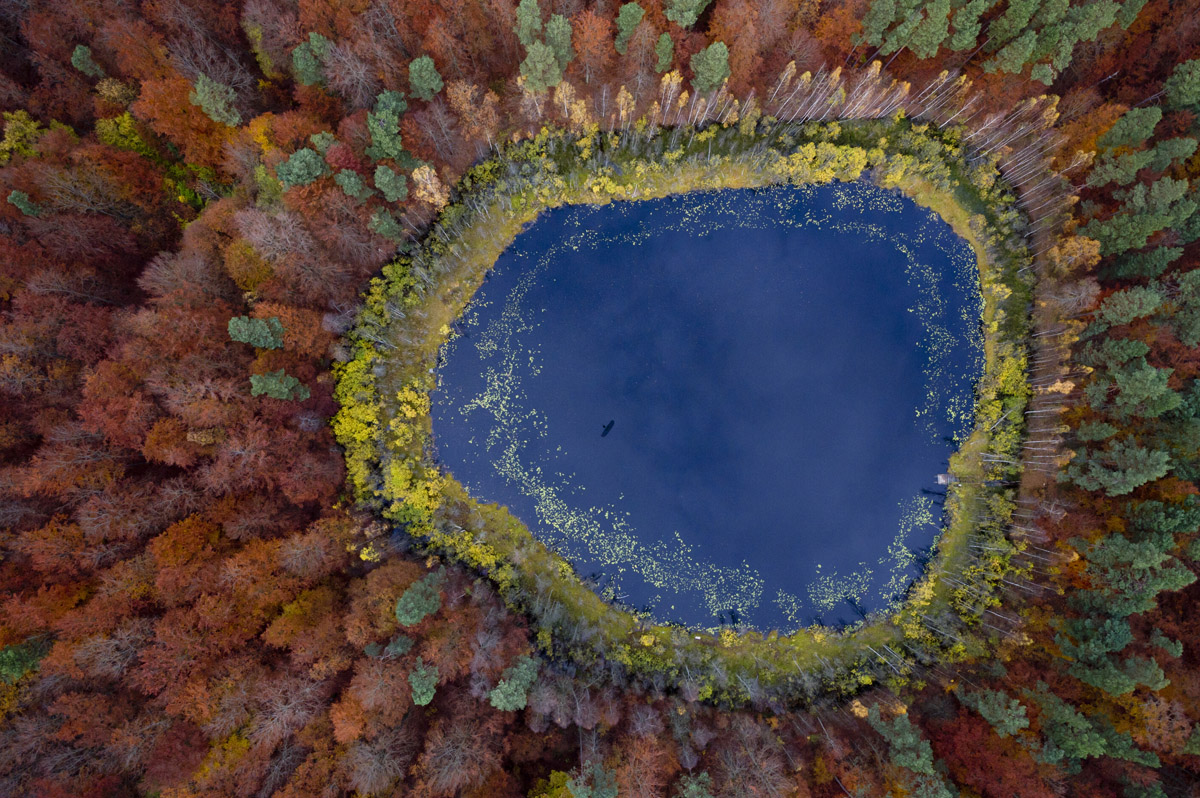
Places similar to those featured in the book are illustrated in Tomasz Wiech’s photo album Polska: W Poszukiwaniu Diamentów (Poland: In Search of Diamonds). His volume comprises exquisite collages of greys mixed with a fashionable motley of other colours, and a visual collection of the curiosities you may encounter while travelling around Poland.
This is how Michał Olszewski, the author of the texts featured in Wiech’s photo album, describes Poland’s grey drabness:
It has characteristic overtones. More than anywhere else, you will find it full of energy, madness, anger, and a certain kind of undigested despair which comes up to surface wherever possible. This drabness lined with madness is an explosive mixture.
Trans. EP
If you crave more ugliness, read Wanna z Kolumnadą (A Bathtub with a Colonnade) by Filip Springer, a reportage book on spatial planning, which is something every Pole has heard of but never seen. Springer travelled across Poland and examined the ailments of its public space: developers’ wilfulness, advertising chaos, an obsession with walls and fences, and, most importantly, the common indifference to all these phenomena.
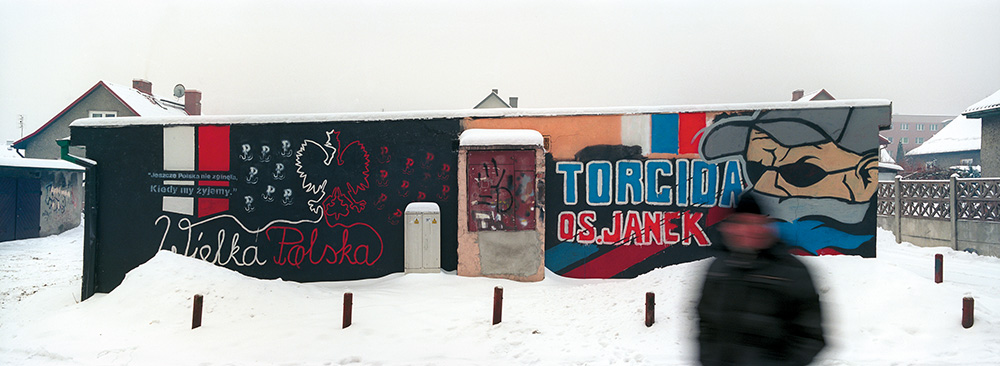
Zabrze, Janek, Jarzębia Street, 24th January 2013, photo: Wojciech Wilczyk
If you are into metropolitan folklore, you will be interested by Wojciech Wilczyk’s photo album Święta Wojna (Holy War). The photographer spent several years documenting graffiti made by football fans in places where animosities between team supporters are the strongest: in Kraków, Silesia (Śląsk), and Łódź. The book also decrypts the signs, so you may learn what the JŻS abbreviation stands for and why many walls in Łódź look as if the city had enjoyed a Zionist revival. While exploring the spots shown in the book, it is worth posing the question of why calls for violence and xenophobic, antisemitic, and homophobic slogans have become a natural part of the landscape in many Polish cities.
Trail 2: The nostalgic
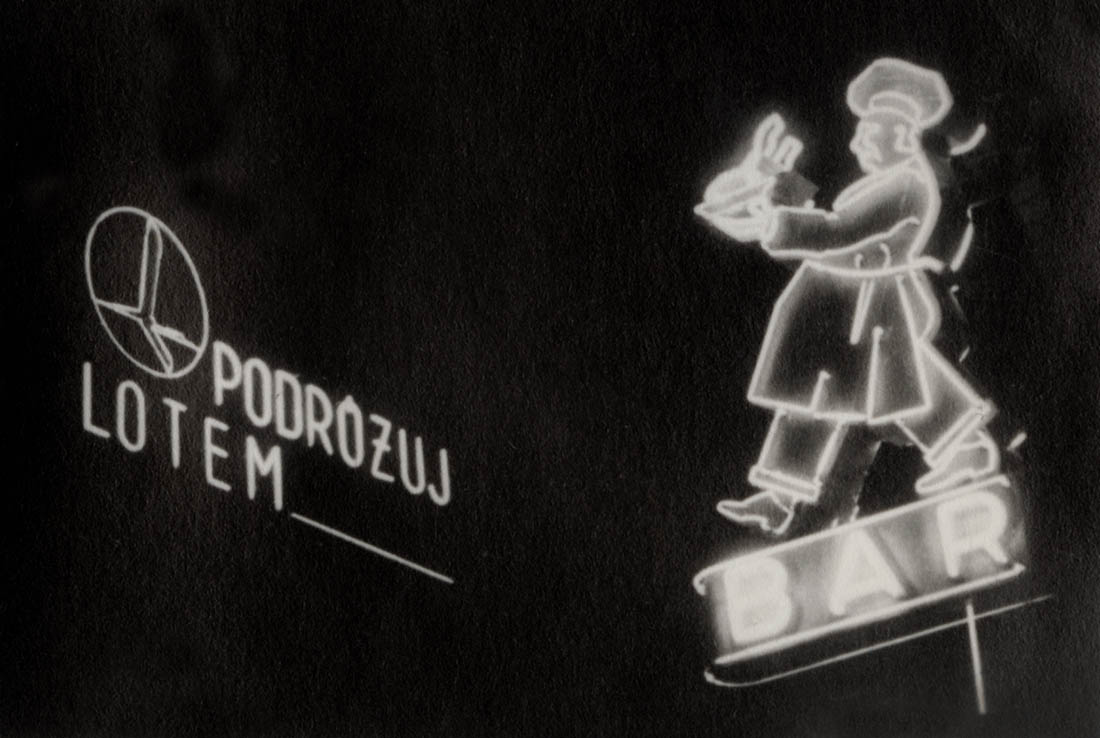
Neon signs, photograph from about 1938, photo: Zofia Chomętowska © Fundacja Archeologia Fotografii (Archeology of Photography Foundation)