Pomorze and Kaszuby: herring, goose, and rutabaga
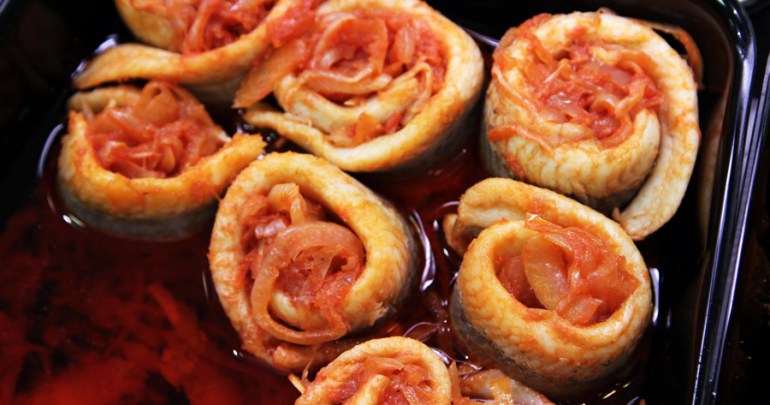
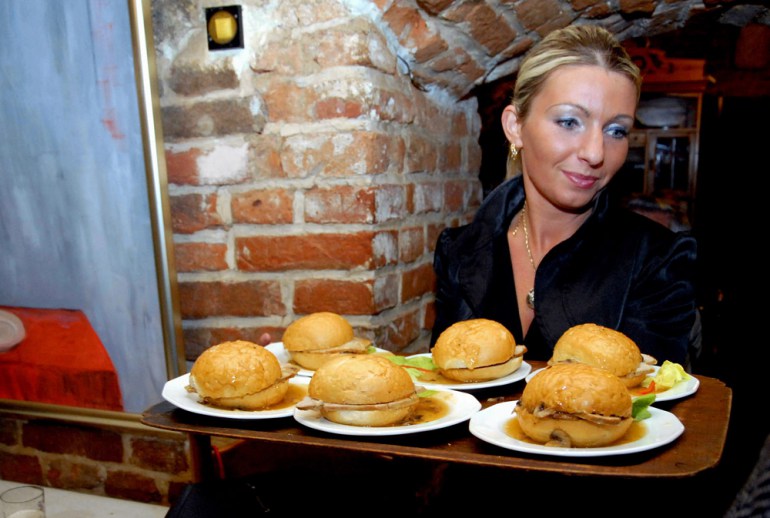
Herring in the Kaszuby style, photo: Piotr Jędzura / Reporter / East News
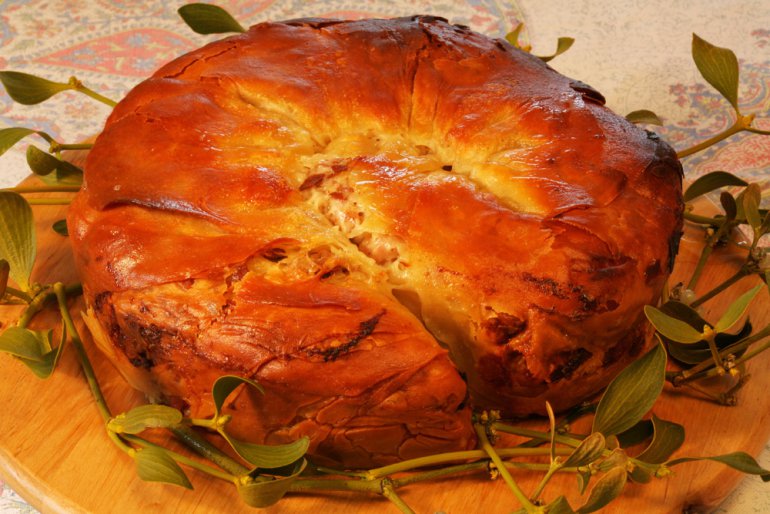
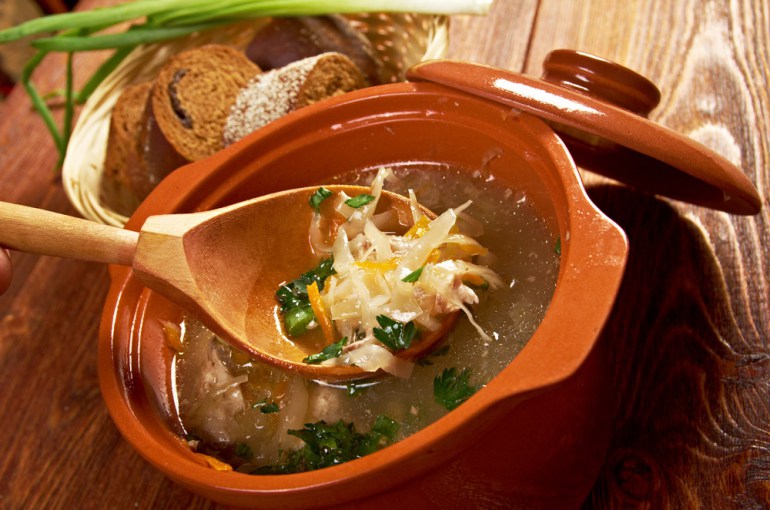
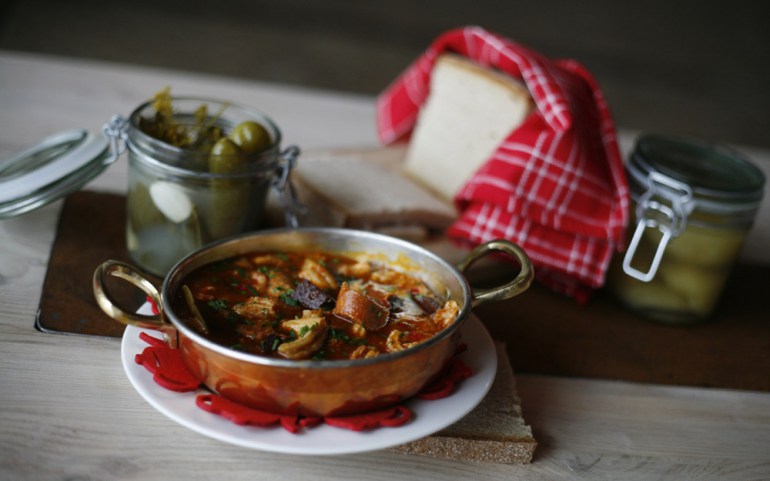
Pomorze and Kaszuby in the north of Poland are the territory of a very tumultuous Polish-Prussian-German history. For ages the Kaszuby people conjured up hundreds of different ways for preparing fish. The region is also famous for its goose dishes. A Kaszuby main meal is best started either with the sweet and sour herring a la Kaszuby (served with fried onion and tomato sauce), smoked eel, or the so-called okrasa – a bread spread made of minced goose meat and fat, seasoned with herbs and spices. The tastes of true connoisseurs should be satisfied with the traditional rutabaga soup – a traditional vegetable that has fallen into oblivion, formerly associated with times of poverty in the region. Rutabaga is served with marjoram and goose meat. For dessert, the best find in the summer season must be the Kaszuby strawberry, a proud owner of the EU regional speciality certificate. Outside of the season, it can be substituted with ruchanki – regional little pancakes made with flour, milk, and yeast.
Warmia and Mazury - cucumber stynka and dzyndzałki
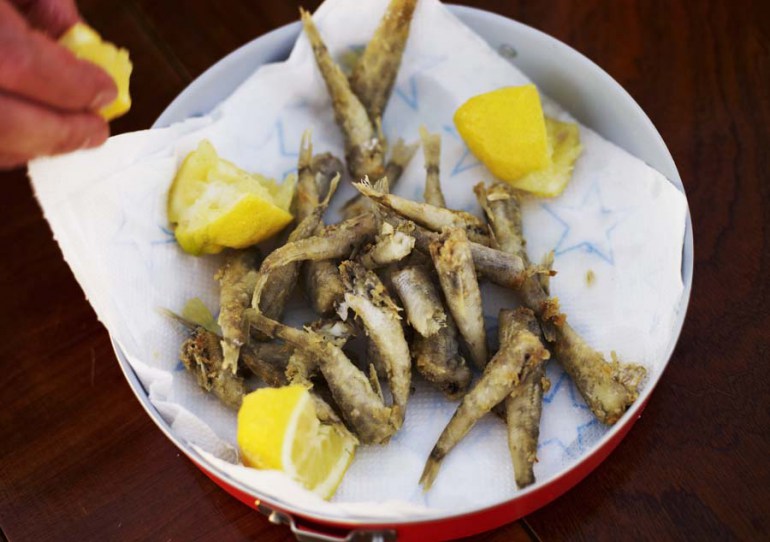
Stynka, photo: East News
In the past, there were more differences between Warmia and Mazury than similarities. After 1945 and the post-war migrations of the regions’ ethnic peoples, it is difficult to trace back the remains of local culinary traditions. Once can discern the influence of foods from the Eastern Borderlands, since many people from that area came to settle in the region after the war. Yet, because the so-called Land of a Thousand Lakes is rich in freshwater fish, they remain the main culinary ingredient and can stand out as distinct for the region.
For a starter, we ought to try a deep-fried stynka (smelts) which smells like fresh cucumbers. Then, the first course should consist of a soup made with the different variety of fish that inhabit Mazury lakes. We continue indulging in our meal as we proceed onto the dzyndzałki – little dumplings with meat stuffing, seasoned with garlic and marjoram. The dzyndzałki resemble Lithuanian kołduny and much like them, they often come served in broth. Apart from the fish, the region offers a variety of potato dishes. Farszynki were most likely brought here by the post-war settlement. These fried potato-dough pancakes are stuffed with meat and garlic and are somewhat evocative of the kartacze – an eastern speciality eaten in the nearby Suwałki region. For dessert – the fefernuszki, little cookies that resemble gingerbread and in which honey is substituted with beetroot syrup.
Wielkopolska pyry with gzik
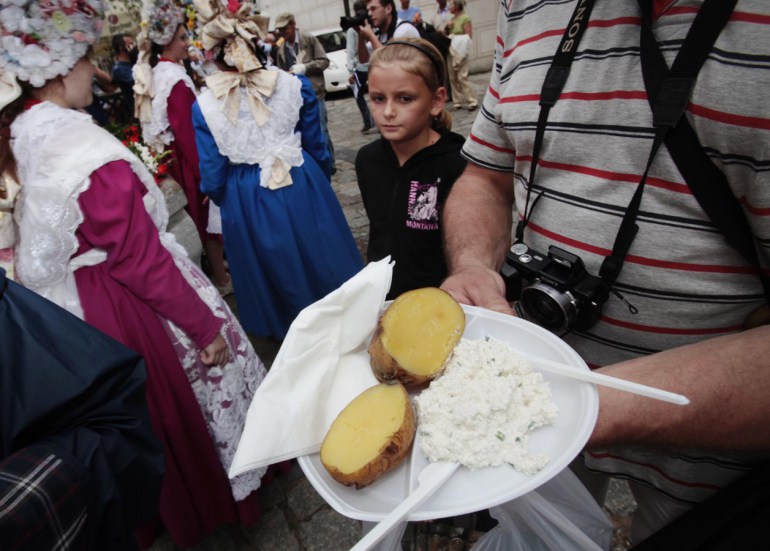
Pyry with gzik, photo: Piotr Skórnicki / AG
At the turn of the 16th and 17th centuries, the Wielkopolska region was the most urbanised part of Poland, and it was here that the bourgeois culture first began to develop. Under the Prussian rule that followed Poland’s partitions, the region underwent a process of Germanisation, which is still visible in its cuisine.
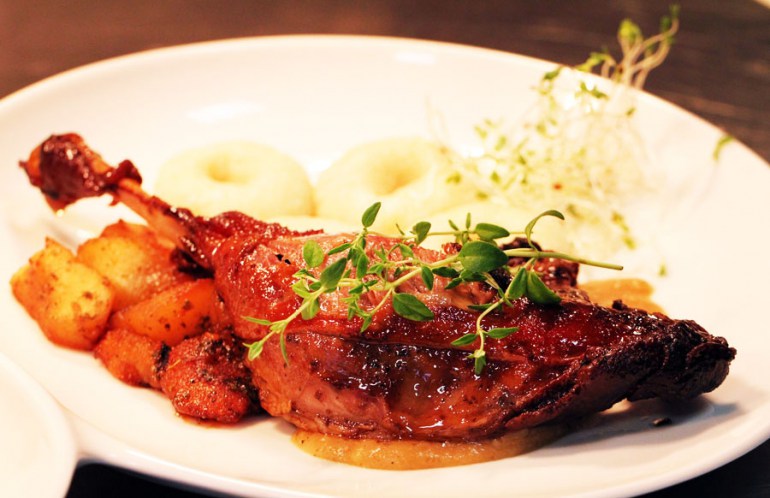
A popular Wielkopolska dish are pyry with gzik – boiled or baked unpeeled potatoes served with "gzik” [pronounced: gzhee-kh], a heavy cottage cheese dip, mixed with salt, cumin, onion and dill, formed into a special gomółka shape. The local filling soup is made with sweet cabbage and called parzybroda (literally meaning burns-the-chin). It owes this name to the chopped strips of cabbage which often burn the chin. In Poznań, one can eat the kluchy and łachu, a special kind of yeast dumplings. They are steam-boiled in a pot covered over with linen cloth, and they are served with duck baked with apples, a thick sauce and red cabbage. A Wielkopolska, or rather a Poznań, meal ought to be crowned with the local speciality – the marcińskie (Martin’s) croissants with dried nuts and fruit.
The "śląski łobiod" of Silesian cuisine
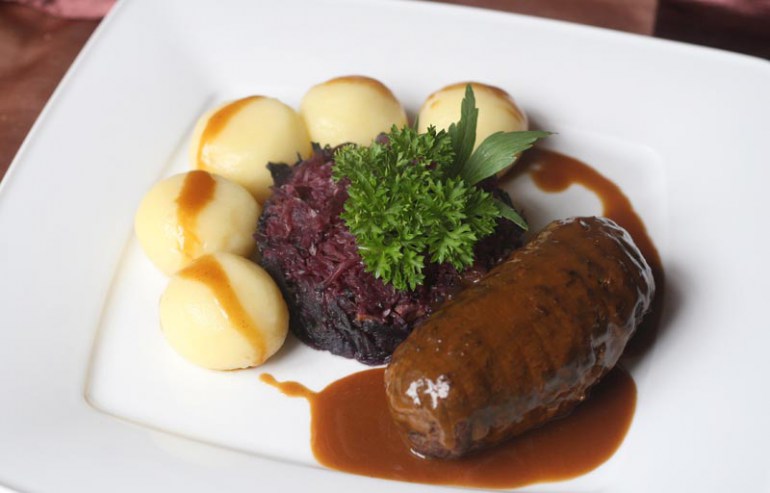
Silesian dumplings photo: Rafał Mielnik /AG
The cultural heritage of this miners’ region in the south of Poland has been shaped by a couple of nationalities, mainly Poles and Silesians. Its cuisine bears traces of German and Austrian influences, as well as those of the Czech Republic, Russia, and the culture of the Borderlands. This last influence is due to the presence of those who were displaced from the east and settled in the area, bringing their own dishes with them.
Although Silesia is far from the Baltic sea, the herring starter called hekele is highly popular here. Hekele is made with herring and a hard-boiled egg, with pickled cucumbers, mustard, onion, and pepper. A traditional "śląski łobiod" – Silesian dinner, as pronounced in the local dialect – begins with a thick broth served with home-made noodles. The main course comprises beef rolls stuffed with bacon, pickled cucumbers, and onion. They are accompanied by gumiklyjzy, the Silesian dumplings with a little indentation, made out of boiled potatoes and potato flour, and sweet and sour red cabbage salad. Each Silesian meal is accompanied with by fruit compote. For dessert, the Silesian speciality is a szpajza − a dessert made by adding sweetened and flavoured egg yolks to beaten whites.