If you’re paying attention, Berlin is full of Polish establishments. On your way to the popular Museum Island, for example, you’re sure to pass the Polish Cultural Institute with its glassed gallery. Not too far off, you can visit the eclectic and highly influential 15-year-old Club der Polnischen Versager or Club of Polish Losers. In the up-and-coming Neukolln neighborhood, you’ll stumble upon a Polish bookstore called Buch Bund. There are also two popular boutiques that carry exclusively design brands from Poland. And if that wasn’t enough, on any given night in different venues throughout the city, you’re likely to come across Poles mixing and mingling at events like the Berlin Polish Tech meetup or the Polish Thursday Dinners.
With several big waves of immigration since the 1980s, Berlin has become home to many Polish artists, writers, designers, chefs, entrepreneurs, scientists, dancers, and other cultural makers. Though few moved here with an expectation of rejoining the Polish community that they have left behind, many inevitably found themselves drawn to all the interesting cultural happenings created by their fellow Poles.
The Club of Polish Losers
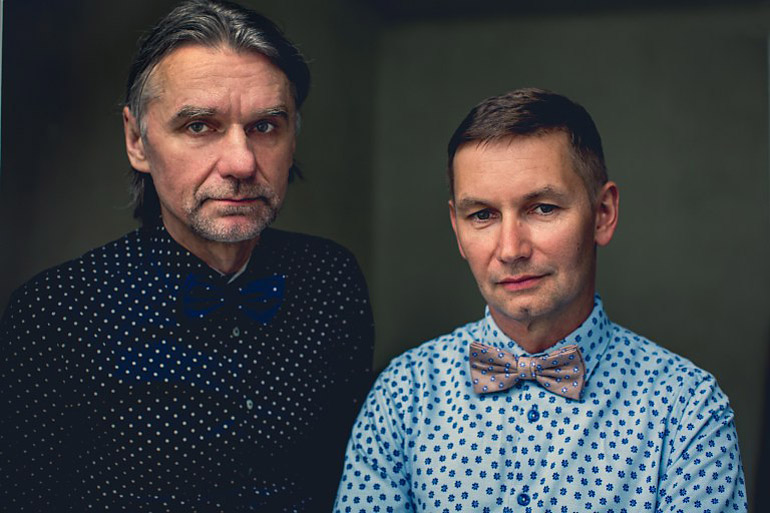
Piotr Mordel & Adam Gusowski, creators of the Club Polnischen Versager, photo: Dariusz Gontarski
However, all this Polish dynamic culture took a while to take root. In the 1980s and 1990s, Polish migrants had a hard time integrating into German society where they weren’t perceived as equals and were often purposefully ignored. Even for those with higher education degrees, taking a manual labour job was often their only way to make ends meet in their new country. In fact, it is this experience that led a group of Polish intellectuals to create the Club of Polish Losers back in the 1990s.
They believed in the philosophical importance of failure, though in many ways the club itself is anything but. In its two decades of history, it has become a true Berlin institution that attracts people from far beyond the Polish community. Besides organising cultural events – from concerts and film premieres to book presentations, lectures and political discussions – the nonprofit club, with its own location since 2001, also provides space for other cultural groups. It has also acquired a reputation for welcoming newcomers – Polish and otherwise – who need help with information about settling in Berlin.
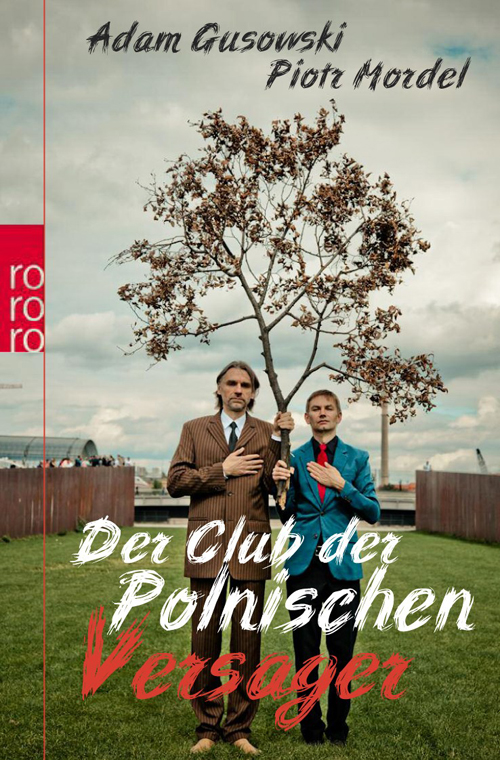
Club der Polnischen Versager,
photo: Dariusz Gontarski/CPV archiv
But among all this activity, the most important project for the Club of Polish Losers is its satire. The club’s founders Piotr Mordel and Adam Gusowski, who both work in media, present satirical opinions on Germany, Poland, and the relationship between them through YouTube videos, their Gaulojzes Golana radio programme (running since 1998, making it the oldest Polish-language radio show in Germany), touring stage shows, and their book Club der Polnischen Versager. The duo has built a reputation for being experts on Poland and Polish-German history. Olga Bowgierd, who helps manage the club, explains:
That’s why the club is the first point of contact for the press whenever anything happens in Poland.
Unlike the founders, Olga moved here in a different era – after Poland joined the European Union and started making its own economic gains. She is from a generation of young Polish immigrants who chose Berlin less out of necessity and more out of a desire to join Europe’s trendiest creative hub.
Startups and meetups
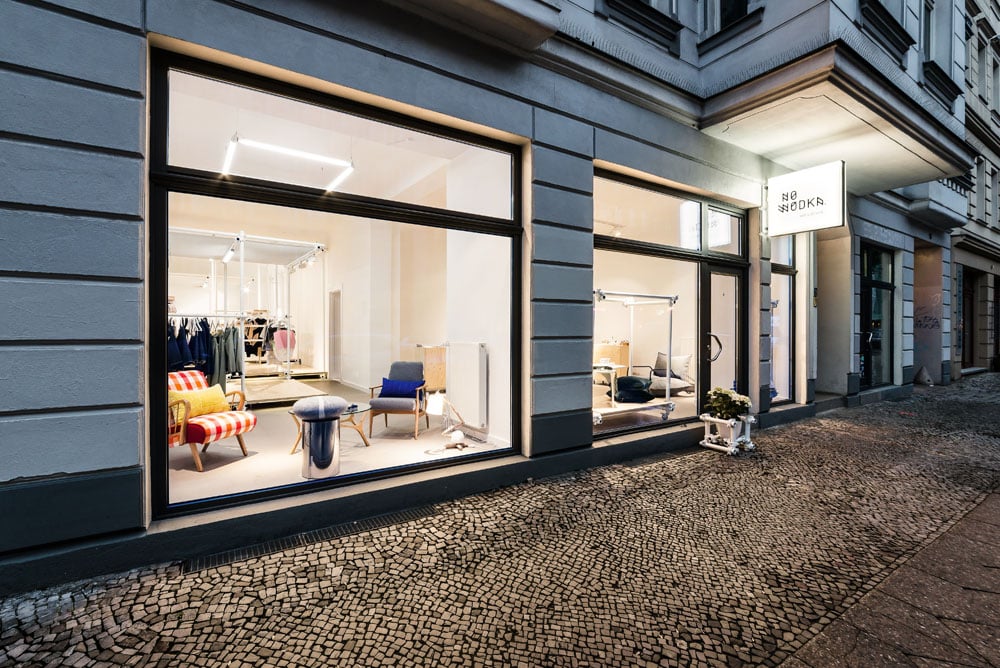
No Wódka, photo: promo materials
One other such migrant is Urszula Lachowicz, who moved from Gdynia in 2014 to work at a B2B company based in Berlin. She wasn’t planning on uniting the city’s Polish tech community, but half a year after moving, together with another Polish tech entrepreneur Tobiasz Szarowicz, she hosted a casual hangout for other startup folks at a whiskey bar. More than thirty people showed up, the meetups became regular, and over the next two years, the group grew to almost one thousand members.
Lachowicz now organises monthly meetings featuring different topics and speakers, which atrract 40-70 people each time. She also founded Polish Tech Night, a biannual conference where Polish startups get to pitch investors. Lachowicz says:
In Germany, there is still a stereotype that Poles are construction workers and cleaning ladies. But this new wave of Polish startups is changing our image.
Changing the image of the Polish community is a recurrent theme among Poles in Berlin. Aleksandra Kozłowska, the founder of No Wódka, the three-year-old concept store and gallery that bills itself as ‘a microcosm of contemporary Polish fashion, design and art’, said her mission is to promote Polish design.
I realised the multiplicity, richness and creativity of the Polish design scene and knew I had to bring it to Berlin. Poland wasn't known for product design, but now that’s changing, in part thanks to concepts like mine.
Her shop carries brands like Warsaw-based Kabak and Kulta, Tabanda from Gdańsk, 366 Concept from Łódź, Hayka from Szczecin, and Agata Bielen from Poznań. Kozłowska adds:
Very often customers are surprised that all our products come from Poland. They had no idea the creative industry is so strong there.
To help further promote Polish creativity, No Wódka hosts exhibitions, pop-up shops and cultural events such as an annual photography show, a sock design workshop, a chair design event during Berlin Design Night, and a Christmas wreath workshop during the holiday season.
Not just pierogi and Chopin
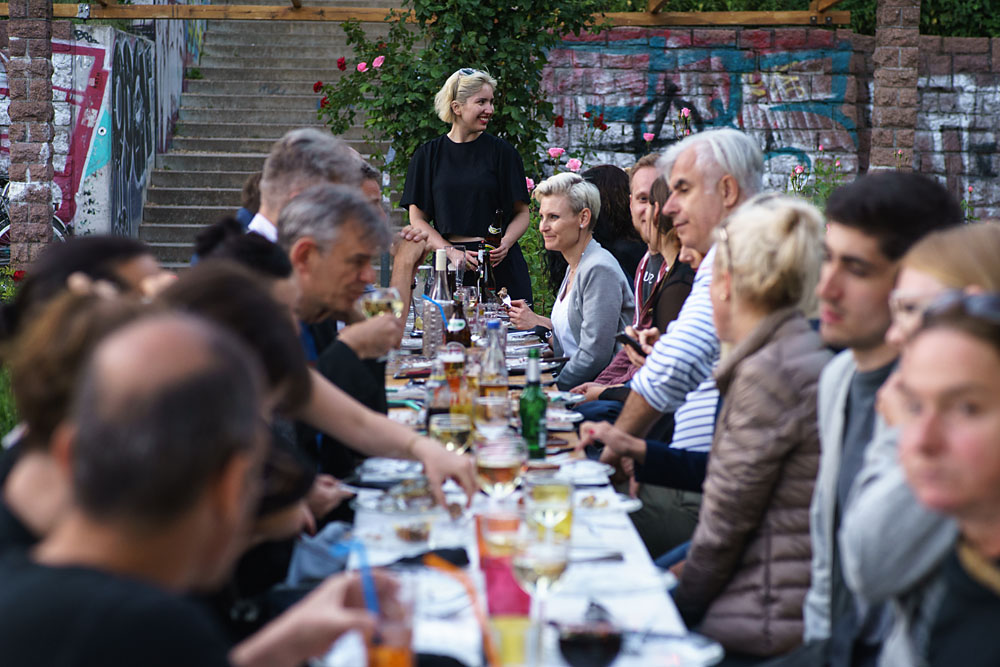
Polish Thursday Dinner with Donald Borkowski, photo: Sonni Holmstedt
Another person with a mission to change the image of Polish culture among Germans is Julia Bosski, who started Polish Thursday Dinners, a popular supper club inspired by King Stanisław II Augustus’ famed Thursday parties.
Ironically, Bosski moved here from Warsaw seven years ago because she felt she didn’t like her country. Recently, during one of the dinners, she explained to the small crowd:
Back then, I didn’t want to feel Polish, but with distance and time, I started missing Polish culture and language. I started asking myself why am I denying my identity? So, I thought why don’t I present Poland from my experience to let people see something different than pierogi and Chopin.
Bosski likes to emphasise that she is the great-granddaughter of Polish poet and creator of the famed Kabaret Starszych Panów Jeremi Przybora and comes from a family that liked to gather Polish intellectuals in their home. She started hosting Polish-themed dinners several years ago. Her reputation has grown since then, and she’s now able to invite top chefs from Poland like Aleksander Baron, Maciej Nowicki, Flavia Borawska, and Rafał Bernatowicz. Bosski says:
We wanted to make clear that the dinners are for people to start asking about Poland and be curious about Polish culture.
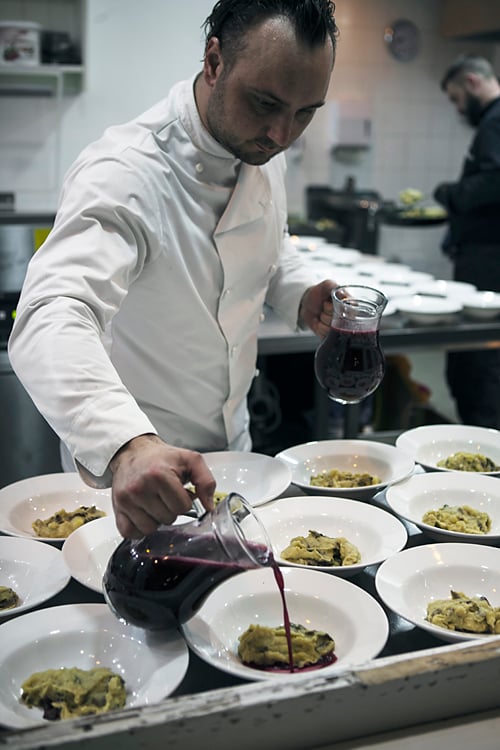
Chef Aleksander Baron,
photo: Karolina Spolniewski
On a recent Thursday, Bosski and a Berlin-based Michelin-star chef Jean Cohen hosted 25 people – Poles, Germans and others drawn by the supper club’s popularity – for a Polish-French themed dinner. Gathered at a restored pre-war Berlin apartment, the table included a German culinary critic, an eminent Polish scholar, an Israeli musician, a publishing executive and others bonding over unique combinations like barszcz with lobster, venison tartar with a quail egg, poached oyster with a vodka shot, and a dish the chef described as ‘braised wild deer out of a dark, mysterious forest.’
Bosski said hosting the Polish Thursday Dinners has helped her discover modern Poland and accept her own identity.
I always felt it’s cool to say you’re from London or New York. I wanted to say I’m from Warsaw and for people to say ‘Wow, that’s so cool!’ Now, it’s starting to be like that.
Next, Bosski wants to take the Polish Thursday Dinners to other cities around the world. On 9th November 2017, she planned the first such dinner in Warsaw’s Dyletanci restaurant along with its head chef Rafał Hreczaniuk as well as Marcin Gancarczyk, a Berlin-based chef who has worked in the city’s top restaurants.
Berlin influencers like Bosski, Lachowicz and Kozłowska aren’t the only ones working to improve and promote Poland’s image in Germany.
The Polish Institute in Berlin
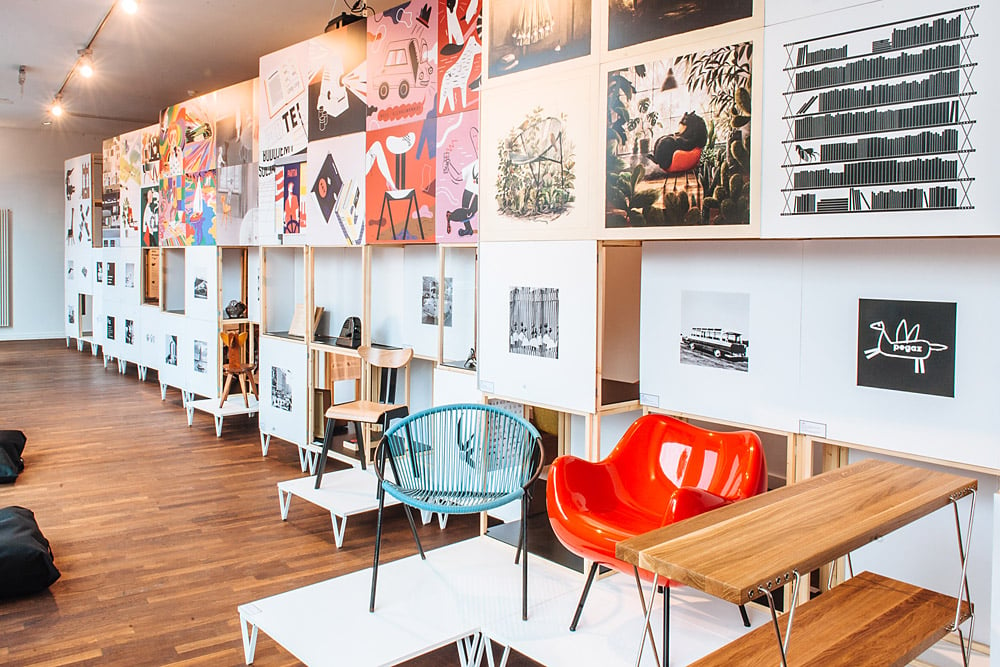
The ABCs of Polish Design exhibition in Berlin, photo: Grzegorz Karkoszka
The Polish Institute in Berlin is another active player on this scene. Its new director Hanna Radziejowska, who came on board this summer, wants to open the institute more to the public to help Berliners discover Polish culture.
In a recent attempt to embrace social media, the institute started an Instagram channel that profiles different Polish people living and working in Berlin. It shares the stories of the likes of young choreographer Mateusz Szymanówka or Maciek Tyszecki, co-owner of Polish design store Quadrat in Berlin’s hip Mitte district, to Maciej, a 47-year-old immigrant who paints walls at the institute.
Last month, the institute hosted a program of events and lectures focused on Polish design. Next on the programme is ‘UN/POLISHED’, a festival of contemporary dance that showcases the talents of the large diaspora of Polish dancers living in Berlin. The institute also hosts an annual film festival, the biggest festival of Polish films outside of the country and its most popular event. While many Polish people participate and attend the events, the institute primarily targets the German audience interested in their neighbouring country. Nicole Blacha, who heads public and press relations at the institute, explains:
The German press typically covers only Polish politics, leaving out a lot of what is happening to its culture and people. So, it’s important for us to make Polish culture visible to the public and show how heterogeneous Polish society is.
Whether it's fashion, cuisine, tech, or art, Berlin teems with creative Poles who want to leave their mark on the city and through that, change how Germans perceive their eastern neighbours.
Written by Sasha Vasilyuk, October 2017