Jerusalem artichoke (a.k.a. topinambur)
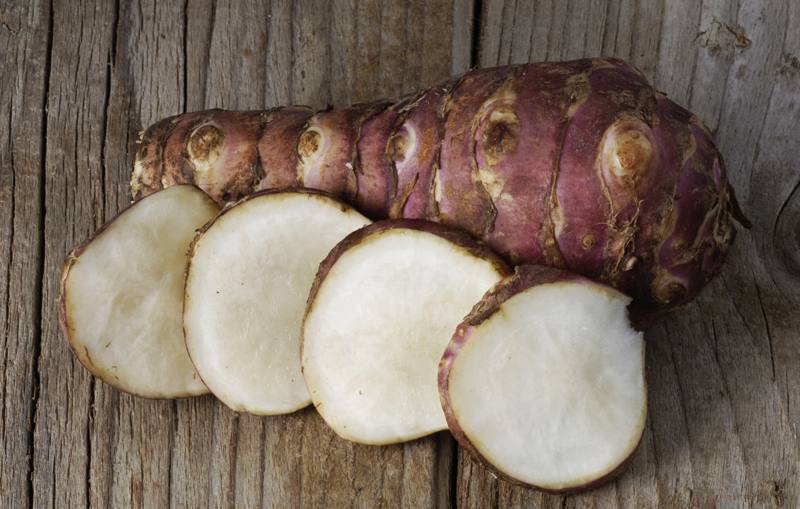
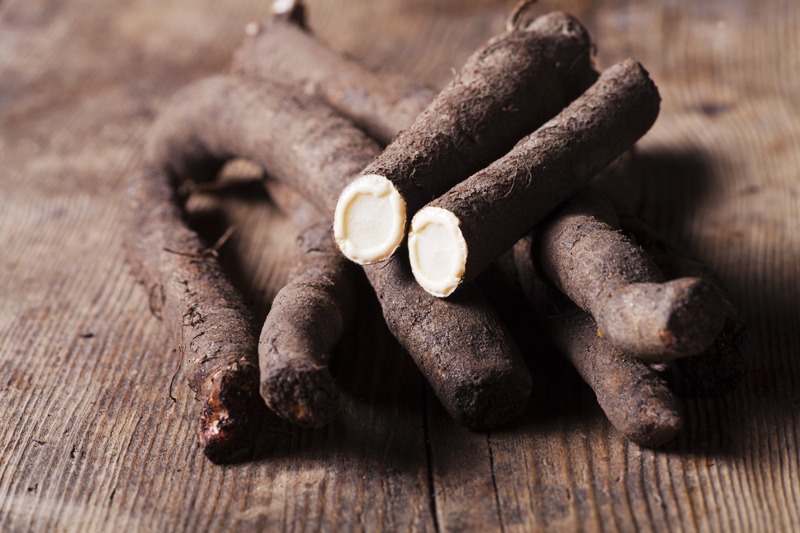
Topinambur; photo: Diez O./Arco Digital Images/ Forum
The Jerusalem artichoke, or topinambur, has been renowned for years. It was introduced into Polish cuisine in the 17th-century and even before 1939, it was known simply as a ‘tuber’. For a time it disappeared from tables, but not from gardens – these plants were often grown at home.
The oldest Polish cookbook, Compendium Ferculorum (1682), recommends adding topinambur to meat and fish dishes. Paul Tremo, the court chef of the last Polish king, Stanisław August Poniatowski, served the root vegetable in a sauce of broth with butter and lemon. Not everyone, however, liked their taste. Some authors of popular works from the 18th-century described them as ‘not good’ or as having a ‘scary odour, like bedbugs’. Nevertheless, they were widely available throughout the 19th-century and proponents of vegetarian cooking recommended them for health reasons, claiming they were a ‘very tasty, delicate, and cheap vegetable’.
The topinambur was prepared breaded and fried, baked with parmesan and tomato or mushroom sauce, or even served in the French style with vinaigrette. In the 20th-century, the Jerusalem artichoke lost ground to the more popular potato.
Kale
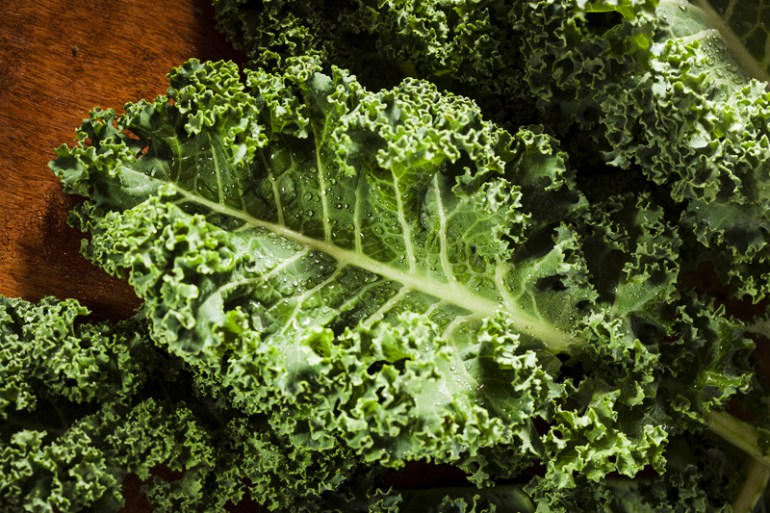
Kale, photo: East News