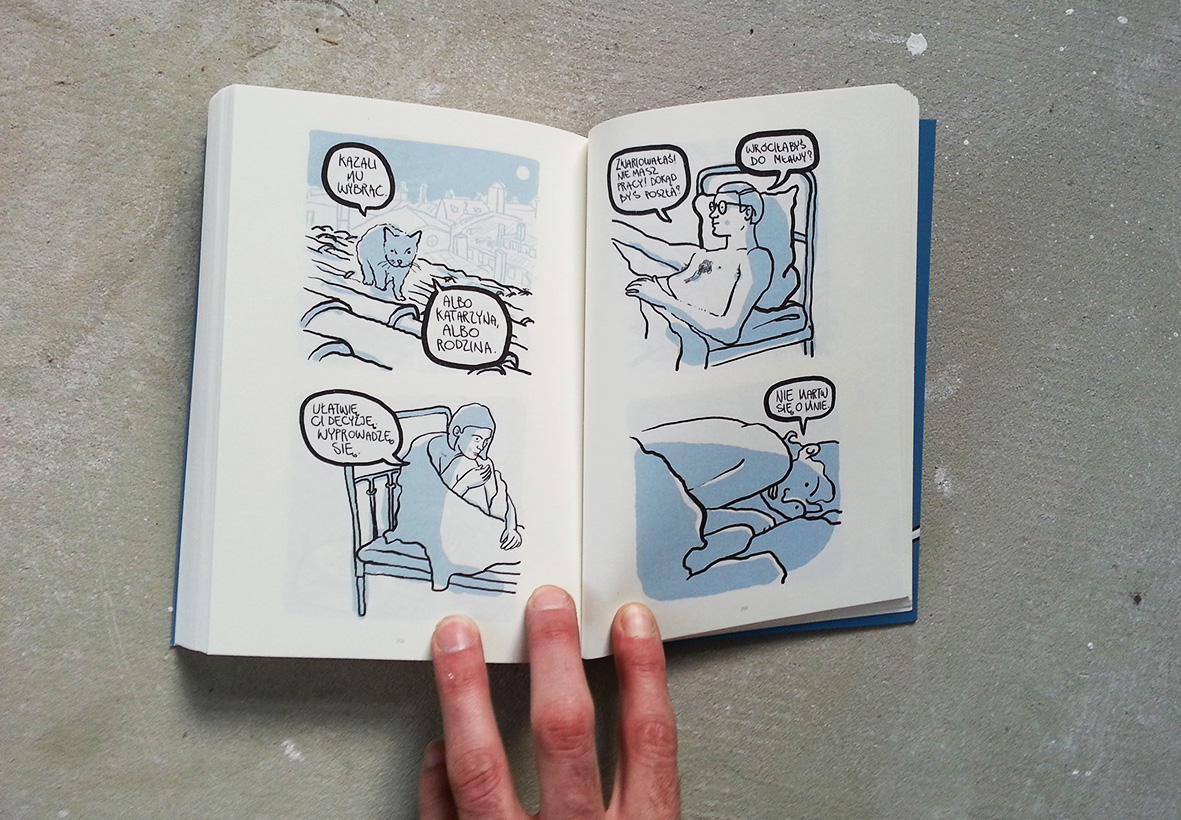
Polish readers have a bone to pick with comics. For years they have protested against the high prices of issues. Meanwhile publishers have been complaining about distribution and small press runs, while creators have bemoaned the fact that their jobs can only be a hobby. Nevertheless, 2013 was a successful year for comics. A number of top shelf albums arrived at bookshops for the first time - over 130 albums, including zines and other difficult to find publications, by Polish authors made their appearance on the market. That constitutes almost 30 percent of all comics released in Poland.
Considering that Poland is not a comic book mogul and has a lot of catching up to do with countries like France or the U.S. in the sphere of publishing, those are quite decent figures. The presence of Polish comics in non-industry related media is on the rise, and creators are being noticed by art galleries and juries who reside over cultural awards. Not to mention that Tomasz Kołodziejczak and Przemek Truściński, both science fiction and fantasy writers, received the Cross of Merit from the Polish President (Polish: Krzyż Zasługi, a civil state award dating back to 1923 which recognises services to the state). What unfortunately keeps the press run low and the prices high is the poor readership.
The year's most noteworthy albums are a series of independent projects illustrated in many diverse styles. Noir (by Wojciech Stefaniec, Łukasz Bogacz), People Who Don't Get Their Hands Dirty / Ludzie, którzy nie brudzą sobie rąk (by Stefaniec) and Psychopoland (by Piotr Białczak, Chmielu) are forerunners in the coming-of-age drama and crime categories.
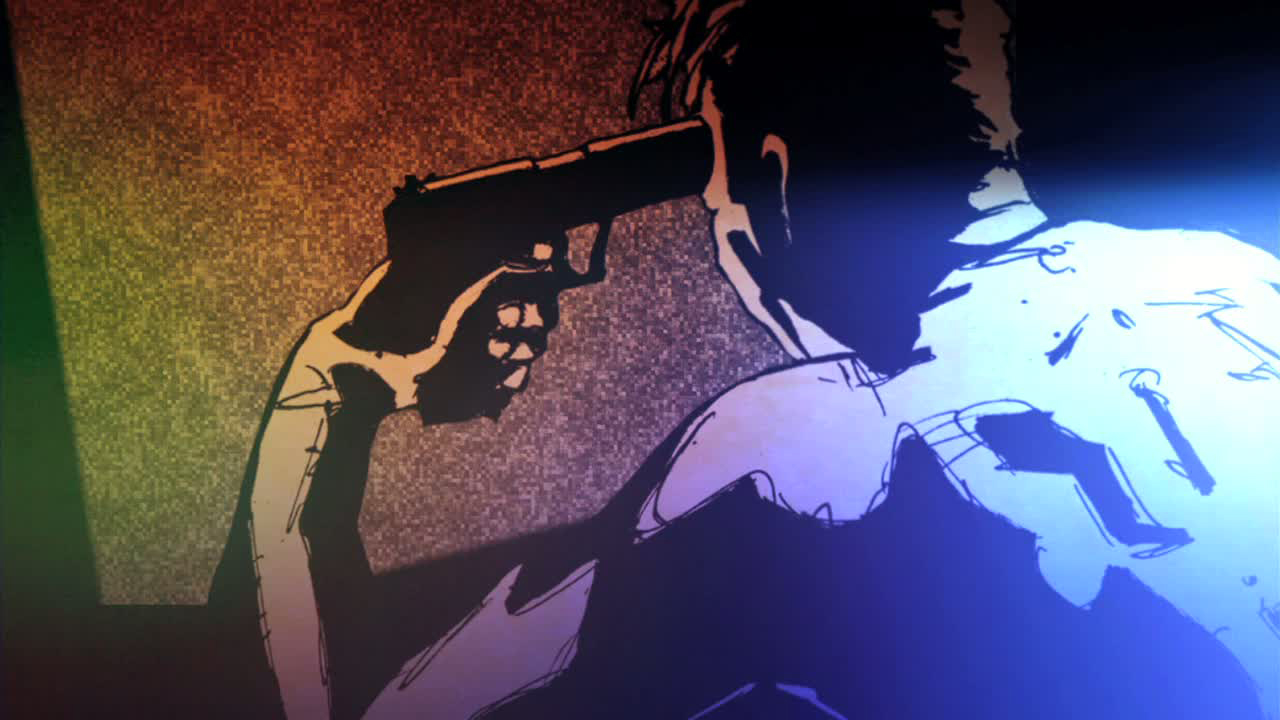 Piotr Białczak, Chmielu, "Psychopoland", photo: press materials
Przemek Truściński's monumental anthology Trust. Album deserves special attention, while Shrew of Destiny. Mink of Doom / Ryjówka przeznaczenia. Norka zagłady by Tomasz Samojlik is a leader in the children's category.
Fugazi Music Club by Marcin Podolec, the story of the legendary Warsaw club, is a fantastic coming-of-age, biogrpahical comic book. Maczużnik (by Michał Rzecznik, Daniel Gutowski) is an aesthetic pearl about love. Anther intriguing poetic miniature about the same uplifting and destroying feeling is Returns / Powroty by Katarzyny Kaczor. Its graphic design is a hole in one, proving Kaczor a name worth remembering.
The zine Bart (by Filip Wiśniowski, XNDR, Father Rene), in which the author playfully and cunningly (though sometimes with a pinch of vulgarity) challenges contemporary art without sparing the likes of Murakami, Hopper and Truściński, is Polish counterculture par excellence. Among the finest fantasy comic book albums is Revolution in Outer Space / Rewolucja w kosmosie (by Mateusz Skutnik, Szymon Holcman). This doesn't come as a surprise seeing that Skutnik has been raising the bar for Polish comics for years now. Another great pick is the slightly grotesque and surrealistic album A Moment Like a Flame / Chwila jak płomień by Roman Lipczyński and Paweł Garwol.
The standards of historical comics are set by the Sławomir Zajączkowski, Krzysztof Wyrzykowski duo and their Coup on Kutschera / Zamach na Kutschera [editor's translation]. Engaging and glamorous at the same time, the comic makes a case for factual stories that can be based on real events. This top-notch category has another jewel: the Jan Hardy series whose author Jakub Kijuc made a pop-culture and superhero comic about fictional Excommunicated Soldiers who fight for a free Poland with communism.
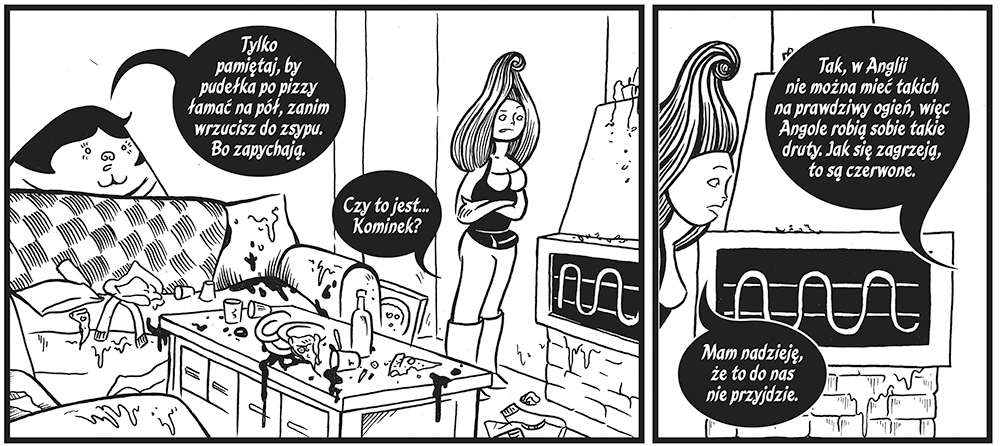 Agata Wawryniuk, "Polish-English Phrasebook", photo: press materials
Impressively, Radio Three Talent nominated Agata Wawryniuk's graphic novel Polish-English Phrasebook / Rozmówki polsko-angielskie broke innumerous award records and was named Best Comic Book of 2012 at Poland's most important industry events including the Łódź International Festival of Comics & Games and the Warsaw Comic Book Festival. Perhaps the biggest surprise of the year was the Nike nomination (Poland’s annual literary award) for Maciej Sieńczyk’s Adventures on a Deserted Island / Przygody na bezludnej wyspie. It is the first time that a comic book was chosen to run against other genres for Poland's paramount literary award, putting it on par with works such as Spiegelman's Maus.