Andrzej Georgiew: Layers
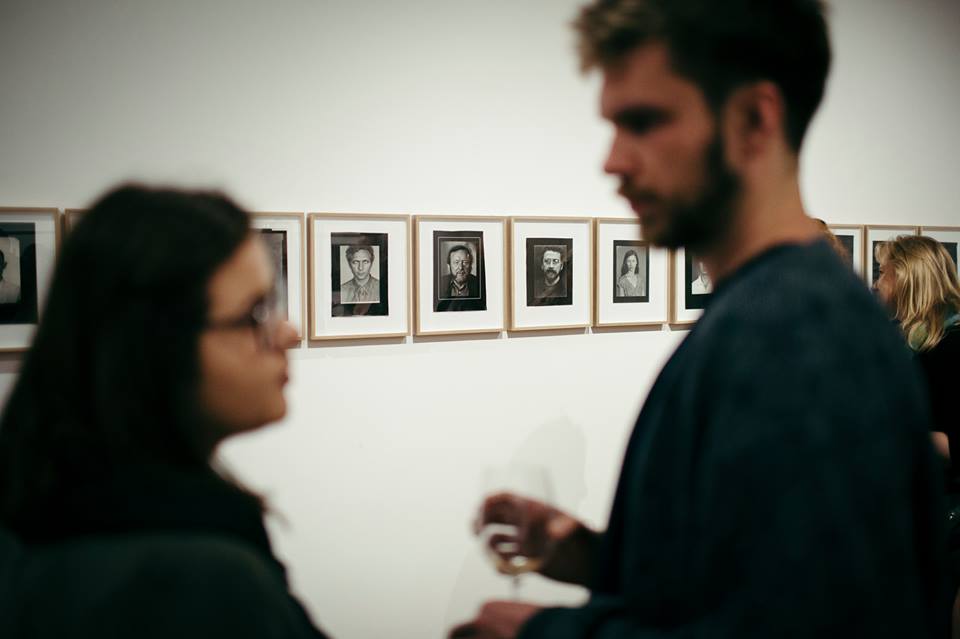
Layers exhibition with works by Andrzej Georgiew, photo: Kraków Photomonth promotional materials
The late Andrzej Georgiew, who passed away in August 2016, specialised in portraits of people from the realm of culture, usually doing close-ups. The result of the meetings with his subjects is a series of seemingly similar shots. ‘I always think I keep taking the same picture,’ said Georgiew.
In his relationship with his subjects, the photographer would look for a certain closeness, a detail, which would make the picture timeless. He wanted to catch people in a moment of honesty and openness.
The darkroom was an important and intimate space in his work. At times it served as an archive. It was full of pictures he had already developed, carefully prepared enlargements, as well as samples and contact sheets. The photos on display in the Layers exhibition were selected from those found in his darkroom and they are all originals.
The exhibition is prepared with great sensitivity. It is worth seeing these accounts of Georgiew’s meeting with his subjects, which, in time, speak to the photographer’s awareness and care for other people.
The exhibition is curated by Michał Łuczak and Jędrzej Sokołowski. Layers is accompanied by a catalogue published by the Archeology of Photography Foundation in Warsaw.
Susan Lipper: Grapevine
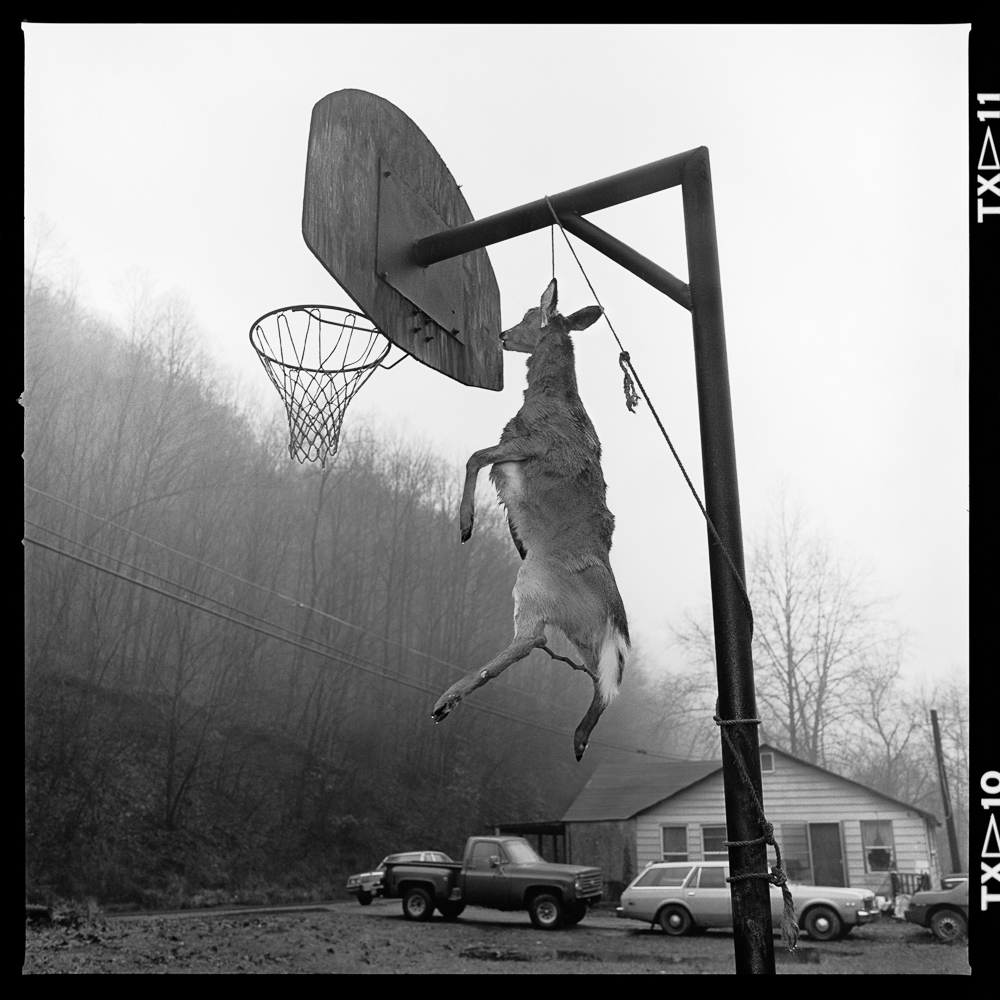
Susan Lipper, from the series Grapevine. 1988–1992, photo: © Susan Lipper/courtesy of the artist and Higher Pictures
The title of this exhibition refers to Grapevine Branch, a small town in West Virginia, which the photographer would often visit in the 1980s and 1990s. Susan Lipper gained the trust of this closed community, which allowed her not only to document what she saw but also to actively work with the small community.
Lipper moved away from the documentary tradition, allowing her subjects to perform certain roles and consciously create new characters, who could also be identical to their actual selves. That way, these amateur models had an impact on the final image – even after they were developed, they could opt to change their pose, re-stage the scene.
As Gordon MacDonald, curator of the exhibition, explains, this collaboration between the photographer and the community also fulfils a function of traditional documentary photography:
The series puts emphasis on gender and class roles typical for provincial America and makes the viewer recall pictures of small-town America, which have functioned in the collective visual memory for years. In Lipper’s photographs, each role seems like a gimmick or a her subjects’ fantasies about themselves.
Bunkier Sztuki Gallery: Nina Berman
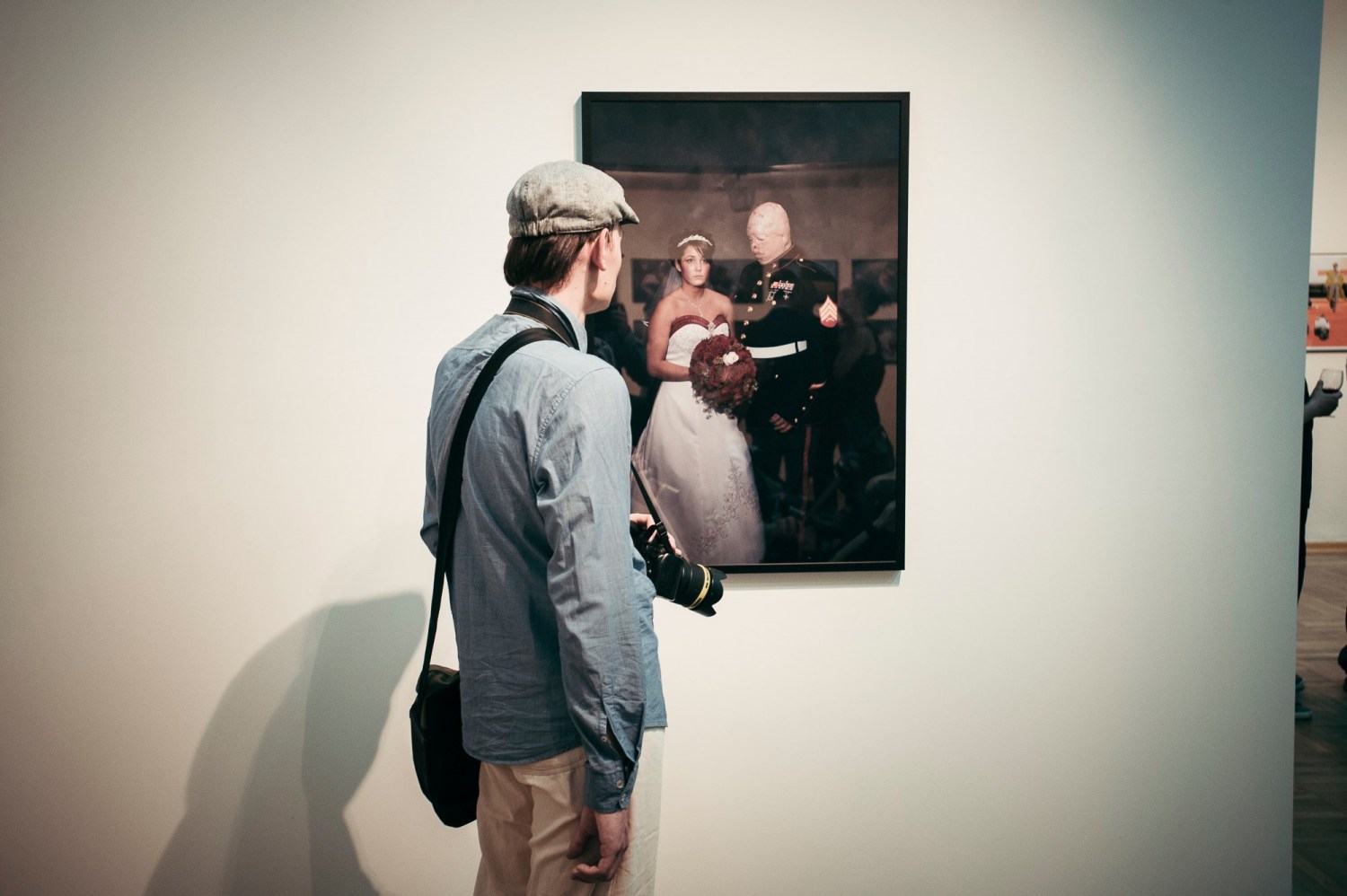
The War From Here exhibition at the Bunkier Sztuki Gallery, Nina Berman’s photograph, photo: Kraków Photomonth promotional materials
The War From Here exhibition presents series which do not document individual events but rather express certain emotions and feelings: repulsion, opposition, empathy. Thanks to this curatorial choice, the viewer ceases to be merely a distant observer but is forced into a more personal engagement – to actually imagine war close by.
The exhibition prepared by Gordon MacDonald concentrates on two themes: a modern, mechanised war, almost void of human participation as well as the photographic documentation of the consequences of warfare.
We particularly recommend two projects by Nina Berman, between which an interesting dialogue forms. In Homeland, the artist focusses on the way war is promoted in the United States as a part of the national identity. The Marine Wedding hanging on the wall directly opposite confronts the viewer with the drama of a war veteran’s life. We see a soldier preparing for his wedding, who returned from the war with terrible injuries and is now trying to get back to his normal life.
The story documented by Berman has a tragic epilogue. Tyler Ziegel, the soldier in the photograph, died of alcohol and heroine abuse in 2012.
ShowOff: Terje Abusdal
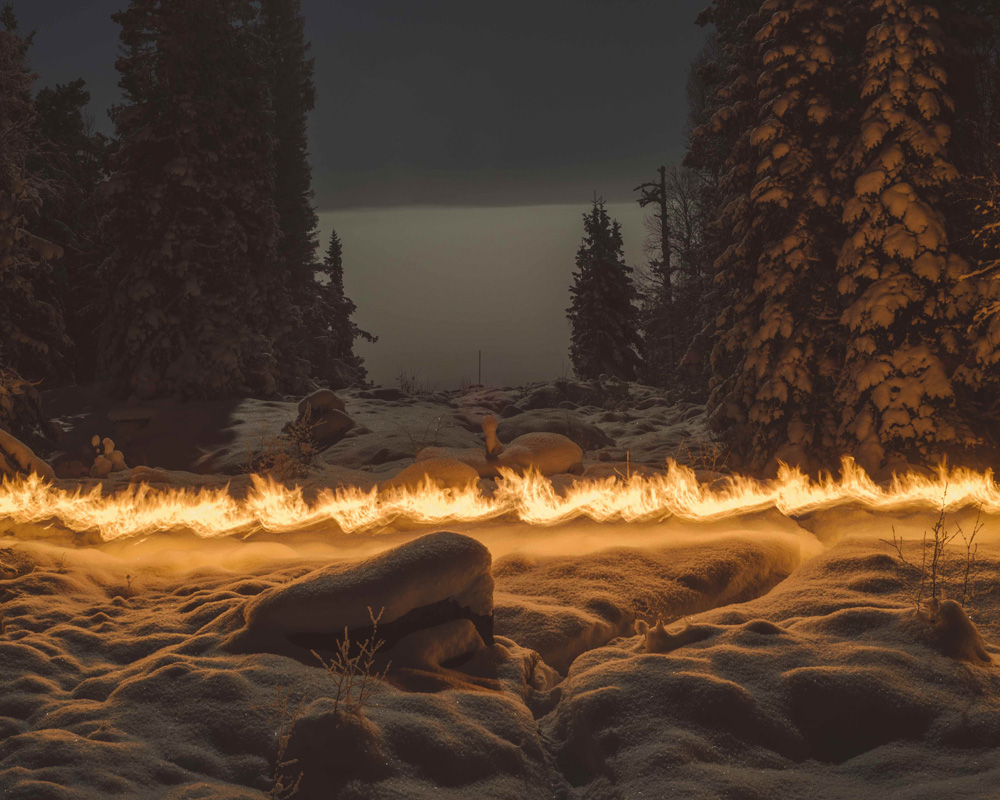
Terje Abusdal, from the series Slash & Burn, 2016, photo: Kraków Photomonth promotional materials
In this year’s ShowOff section, we were drawn to a project by Terje Abusdal, a self-taught photographer, who told the story of the so-called ‘Forest of the Finns’.
His series is a combination of documentary photography and staged photography and there is a very fine – often almost invisible – line between them. The photographer creates a fairytale atmosphere in his work while telling the story of a contemporary fascination with a forgotten culture. Ancient rituals, a search for identity and a building tension make for an extremely compelling story, full of Abdusal’s hidden messages and subtle, yet conscious procedures.
The selection of Abusdal's work for this guide was because of the unique harmony between both form and content, as well as his ability to present a topic in a very clear way. The ShowOff series are accompanied by a great curatorial commentary. It’s worth a read.
Kraków Photomonth is on until 18th June 2017.
Visit the official Kraków Photomonth website for more info.
Originally written in Polish, translated by NR, 8 June 2017