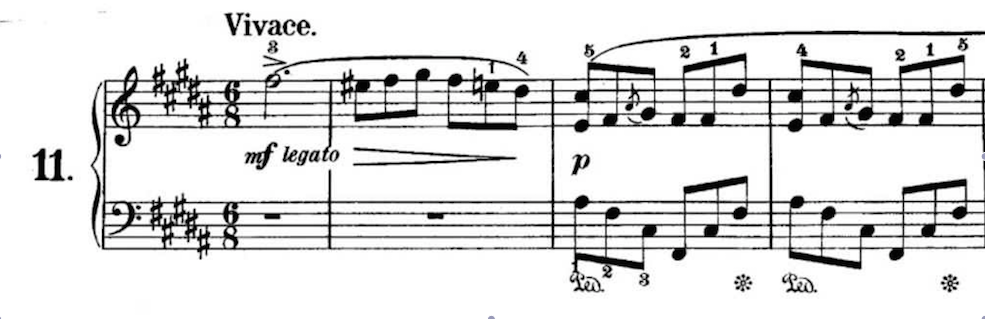
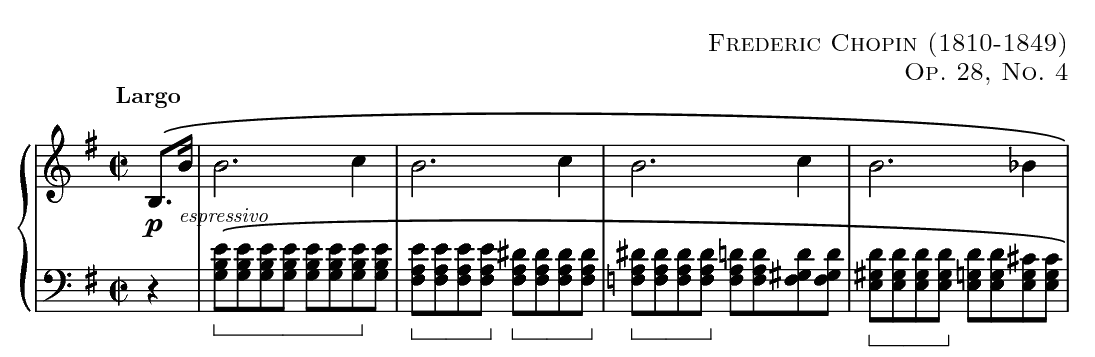
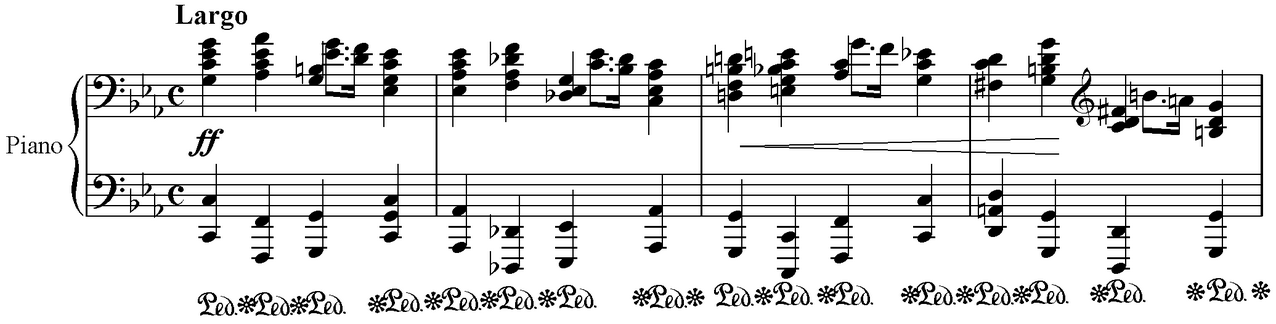
Chopin’s 24 Preludes are not only significant as a cycle of beautiful piano compositions. Their originality and the composer's innovative approach has changed the shape of preludes as a genre forever. Before Chopin wrote his cycle, the word ‘prelude’ referred to two musical constructions. In Baroque, it mostly defined an introduction to the fugue, as represented by Bach in his Das Wohltemperiertes Klavier (The Well-Tempered Clavier) cycle. Later, the tradition of ‘preluding’ was born. It consisted in introducing the listeners into the key and character of a composition by playing a short, improvised introduction. That means that preludes were almost never played alone, their role remained subordinated to longer compositions. Chopin’s preludes, however deeply rooted in both traditions, opened a brand new chapter in the prelude’s history, raising them to the level of artistically and formally independent compositions.
Preludes seem to represent the most characteristic features of Chopin's music. There is a lot of his lyricism, his anxiety, virtuosity, visionary intellect and struggles with mortal illness. There is overwhelming erudition and purest genius as well – a quintessence of his style and character in less than 45 minutes.
Written by Wojciech Oleksiak, 27 May 2014
Sources: Mieczysław Tomaszewski 'Chopin', chopin.com, interview with Urszula Oleksiak