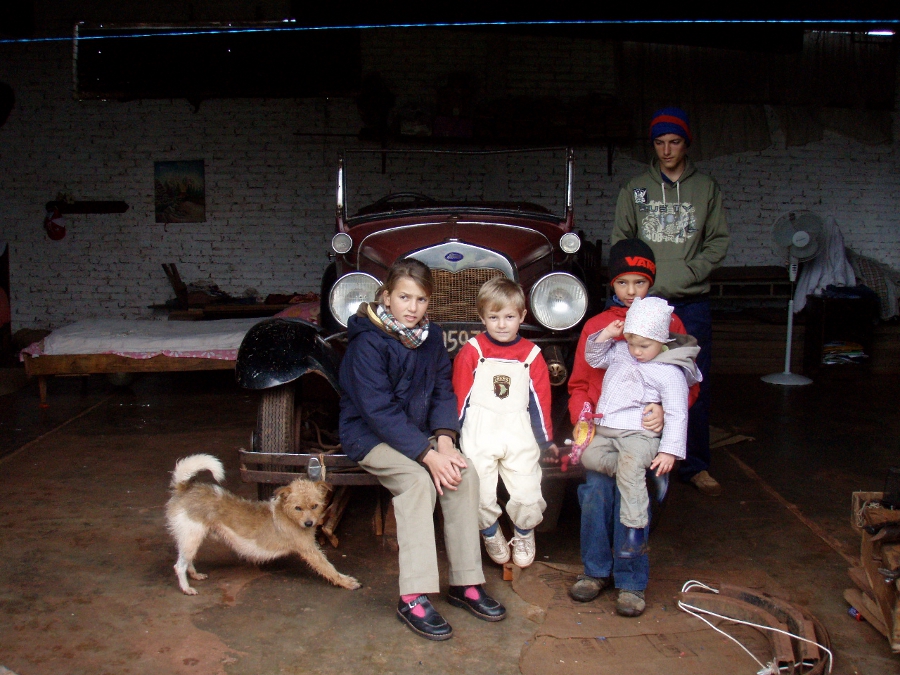
"Has the 1989 revolution in Central Europe devoured her own children?", Maria Zmarz-Koczanowicz asks in her 2002 documentary. Dissidents from Warsaw, Prague, Budapest and Berlin sat in front of her camera for this piece. They spoke about their struggle against the communist regime, but also about the problems that were brought about by freedom – social inequalities, the victims of political and economic transformation, and political divisions.
Zmarz-Koczanowicz directed another film, Pokolenie 89 (The '89 Generation), in which she portrayed the beneficiaries of the new system. The film told the stories of young opposition activists who developed their careers in the new Poland.
After the Victory 1989-1995, dir. Marcel Łoziński, 1995 - The threats of transformation
Marcel Łoziński, one of the most prominent documentarians of Polish cinema, made a film timeline of the political transformation in Poland. He depicted the social, economic, cultural, and political aspects of a series of reforms. He portrayed the hyperinflation which took place during the period of transition, as well as the process of privitisation and tumultuous political change. To date, his picture is one of the most fascinating portrayals of the turbulent Polish transformations.
Wild Capitalism
Debt, dir. Krzysztof Krauze, 1999 – The demonic face of capitalism
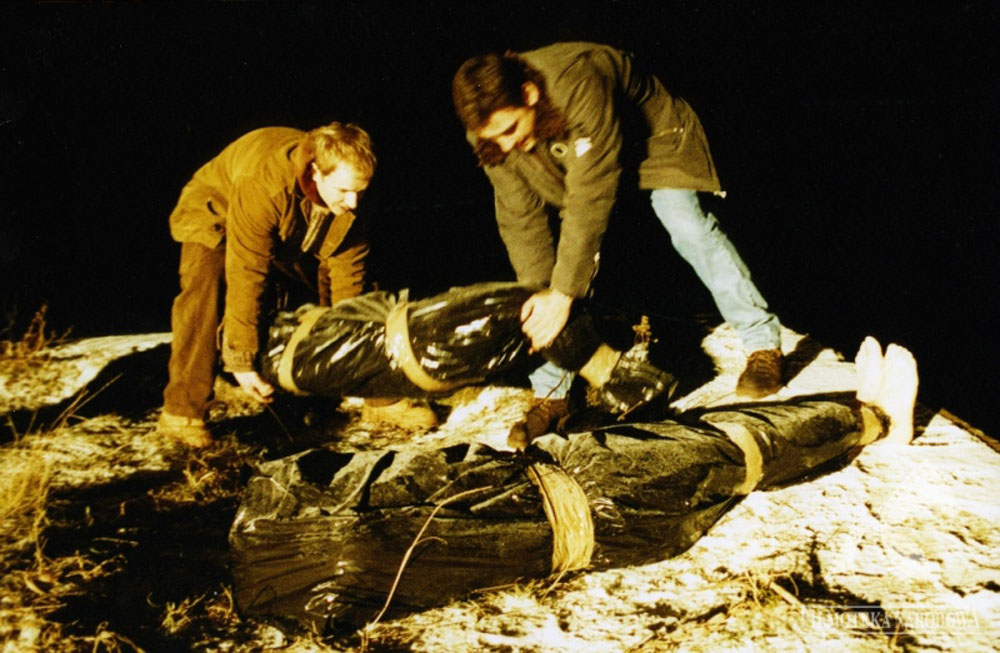
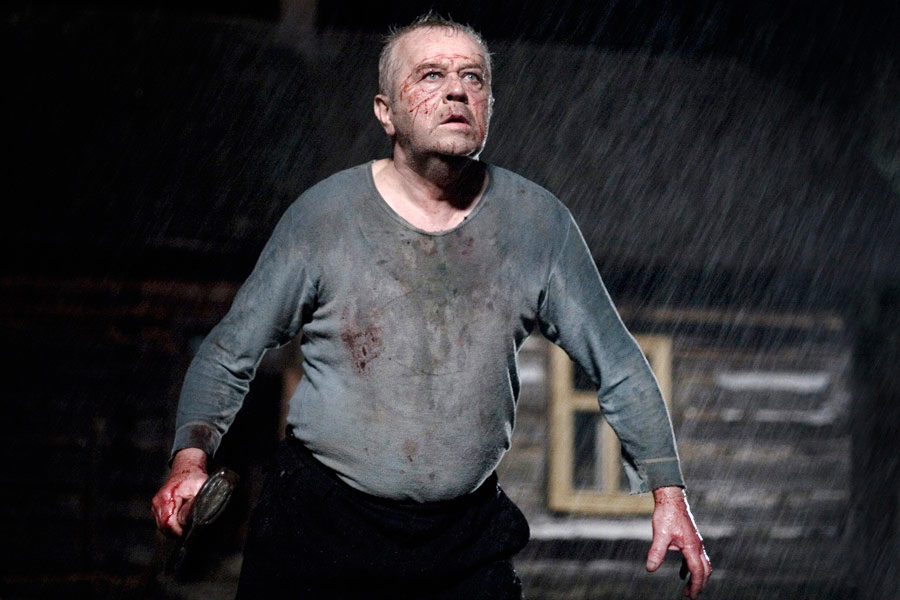
A scene from Dług (Debt), dir. Krzysztof Krauze, 1999, photo: Studio Filmowe "Zebra" Canal+ Polska ITI Cinema / Filmoteka Narodowa/www.fototeka.fn.org.pl
One of the strongest and most important films of the last 25 years. 10 years after the first free elections, Krzysztof Krauze created one of the most gripping tales about the ugly face of Polish capitalism. Dług is the story of two young businessmen who fall prey to a blackmailer, and, in the end, murder their persecutor.
Tadeusz Sobolewski commented in a review of the film:
An anatomy of murder – blackmailing, harassment, bloody revenge and what comes afterwards. This crime takes place among people like us - it is a natural effect of the situation. The horror surfaces unnoticeably in a world of trendy pubs, chic stores, banks made of glass and marble and the 'cool' of the new times, among green tea and constantly dieting girls. The villain is in the midst of this world. He doesn't look or act any different than we do. But the most terrible thing is that in the end we turn out to be the villain ourselves!
Egoists, dir. Mariusz Treliński, 2000 – Capitalism with no moral compass
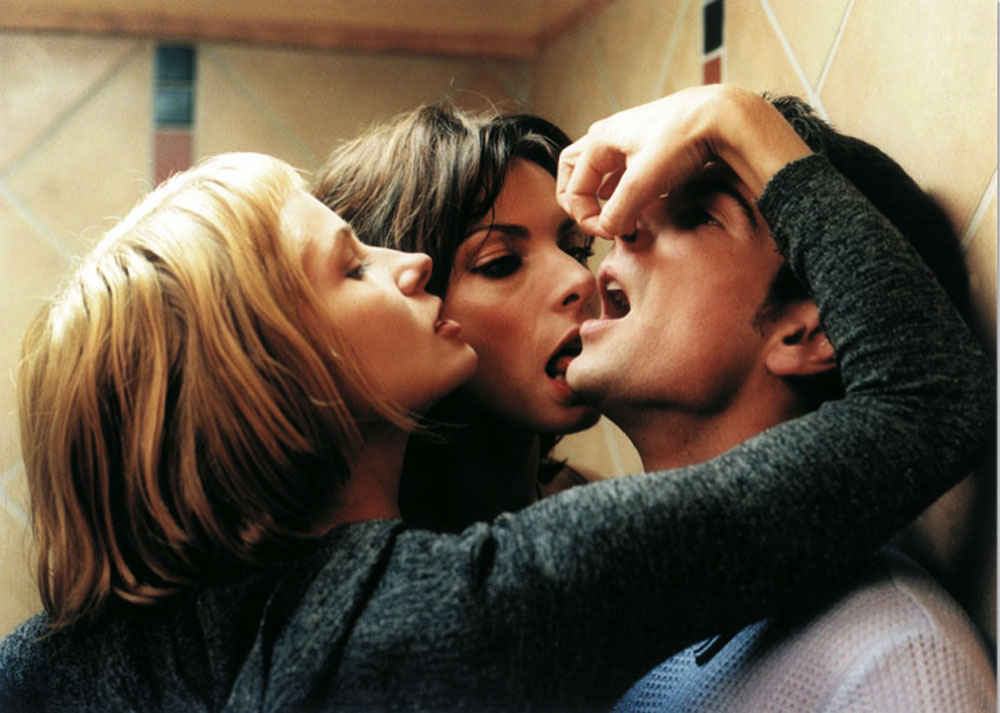
A scene from Egoiści (Egoists), dir. M.Treliński, photo: Canal+ Polska
A portrait of the generation who have made it to the top of their careers thanks to the 1989 transformations. One of the best Polish opera directors, Mariusz Treliński, depicted the moral void which hid beneath the surface of never-ending parties and semblances of fulfilment.
Mateusz Werner wrote in his review for Film magazine:
Regardless of the author's intentions, Treliński's film touches upon a totally basic issue, without which one cannot understand the 1990s in Poland – this strange and clumsy time of a metamorphosis from former slaves into free people (…) Anyone who claims that this problem is only relative to the carefree nouveau-riche youth in Warsaw is severely wrong. The trouble with freedom, which we come to learn through our own mistakes, is a commonly carried hunch.
Saviour's Square, dir. Krzysztof Krauze, Joanna-Kos Krauze, 2006 – The young and lost
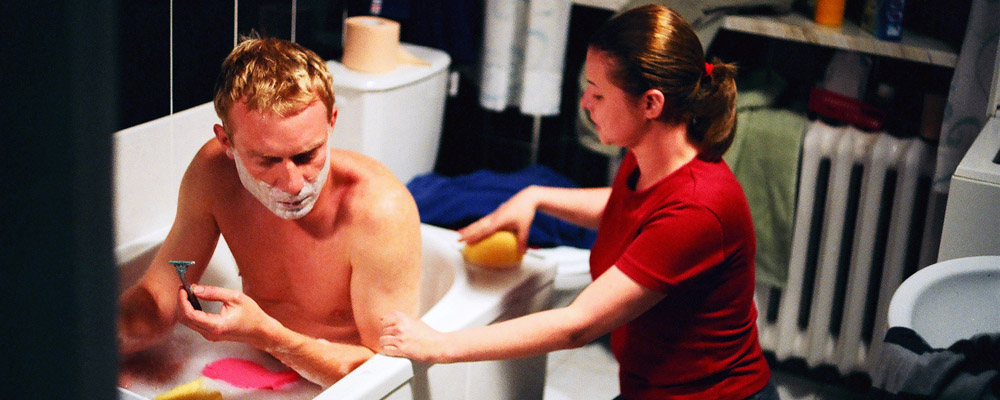
A scene from Saviour's Square, dir. Krzysztof Krauze and Joanna Kos-Krauze
A couple of 30-year-olds with two kids takes out a loan for an apartment in Warsaw. Before they get the keys to their new place, they decide to stay with the mother of Bartek, the husband. When the developer goes bankrupt, the couple loses all their money. So begins a showdown of mutual remorse and regret. In their portrayal of 30-year-olds who cannot cope in the reality of the wild Polish capitalism, Krzysztof and Joanna Krauze depict the clashing of two generations – the parents who were the relative winners of the system change, and the young who can hardly find their own place within the new capitalism.
The Excluded are Next Door
Happy New York, dir. Janusz Zaorski, 1997 – The sadness of Polish emigration
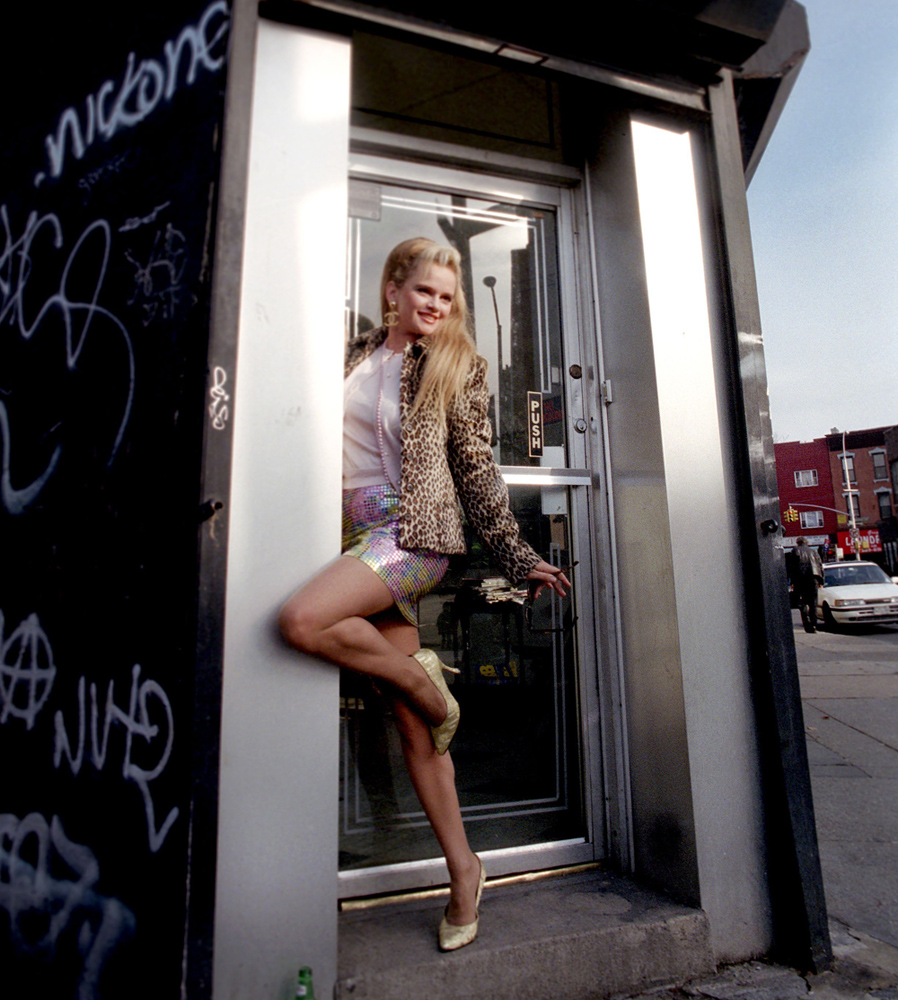
A scene from Happy New York, dir. Janusz Zaorski
The late 1990s had Polish artists observe the fledgling capitalism of the Third Republic more and more attentively. At the same time, they became more daring in exposing our society's myths. In 1997, Janusz Zaorski shot the comedy, Happy New York, in which he depicted the sad truth about Polish economic migration, cultural estrangement, and the price that Polish emigrants had to pay for chasing the dreams that they could not fulfill in their home country.
Arizona, dir. Ewa Borzęcka, 1997 – The victims of a new democracy
That same year that Zaorski was presenting the sad faces of Polish emigrants, Ewa Borzęcka was shooting one of the most significant pictures of the decade. Arizona tells the story of a small village which had been home to a PGR (short for Państwowe Gospodarstwo Rolne, State Agricultural Farm) in the communist period. These collective farming enterprises often provided work for the entire village. Upon their destruction, people lost their jobs and began drowning their sorrows in litres of cheap wine. Borzęcka depicted the villagers who dreamt of a better life in front of the camera and reminisced about the communist past with nostalgia.
In 1997, her film fired up a great debate, and it was seen by some 6 million people. After Arizona was presented with the Kraków Film Festival's grand prix, many people accused the film's authors of crossing a line in filmmaking ethics as they exploited human misery. But it was Borzęcka's film that brought about change in the perception of those who were victims of the economic and political transformation.
At Home in Pietrasze, dir. Lidia Duda, 2002 – A letter from a worse world
Lidia Duda - o filmach from Culture.pl on Vimeo.
Two similar titles followed Arizona. Another documentarian who fought for a voice for the excluded was Lidia Duda. In 2002, she created At Home in Pietrasze (U nas w Pietraszach, in the original), a television reportage about a village in Mazury. After the closing down of a PGR there, people in Pietrasze lived on the brink of poverty.
The main protagonist of the film was a small boy who sent a letter to the television station requesting help for his mother. When the film was aired, it was seen by 4.5 million viewers, and people started to send in money and various necessary items to Pietrasze. Duda's film also played a role in changing the politicians' perception of former PGR workers. The minister Barabara Labuda set up a special team which was to develop a strategy to help villages similar to Pietrasze.
The film can be viewed here
Goat Walker, dir. Bartek Konopka, 2003 – Hope for the losers
Bartek Konopka also portrayed transformation victims in his Goat Walker (Ballada o kozie in the original). In 2003, he travelled to a small village in Lower Silesia and shot a film about the action of local authorities, who presented poor families with goats. The goat were meant to provide children with healthy milk. But the film that Konopka created was something more than a documentation of this social endeavour. With time, it became a story about the hope that keeps people alive in the most difficult moments.
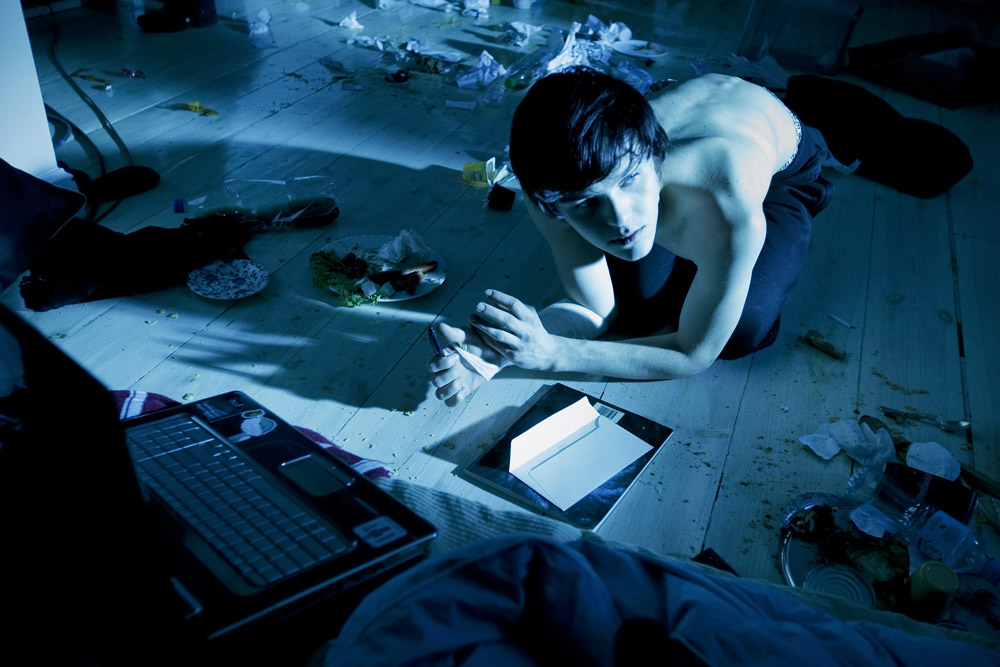
A Bar at Victoria Station, dir. Leszek Dawid, 2003 – Cast away from the Promised Land.
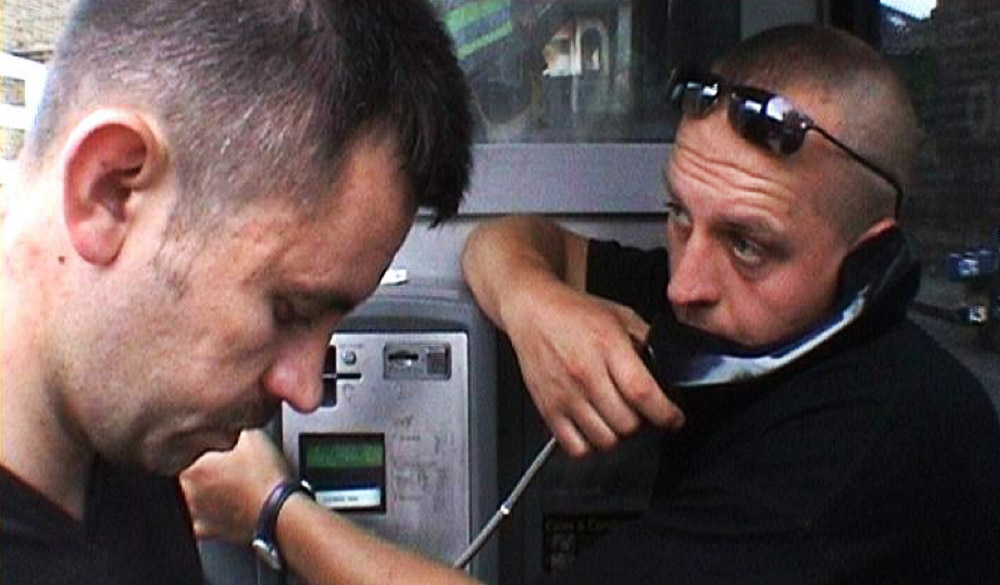
A scene from Bar na Viktorii, dir. Leszek Dawid, photo: press materials of the Kraków Film Festival.
The most truthful and most moving film about Polish economic migration. Ten years after regaining freedom, the rate of unemployment in Poland was still very high. When the countries of Western Europe opened themselves up to Polish workers, nearly 2 million Poles left the country in search of a better life.
The two protagonists of A Bar at Victoria Station were among these 2 million. In Leszek Dawid's picture, Piotr and Marek are thirty-year-olds from a provincial town. They don't have a job or money, so they decide to go to England and start a decent life there. When they get to the island, the brutal reality hits them head-on, as everyone wants to take advantage of them, and no one wants to help them. Soon, they have to admit defeat for a second time. Their fate reflects the unhappiness of many Poles who were forced to leave by the country's economic situation.
This Is No Country for Young People
Louder than the Bombs, dir. Przemysław Wojcieszek, 2001 – The new Polish patriotism
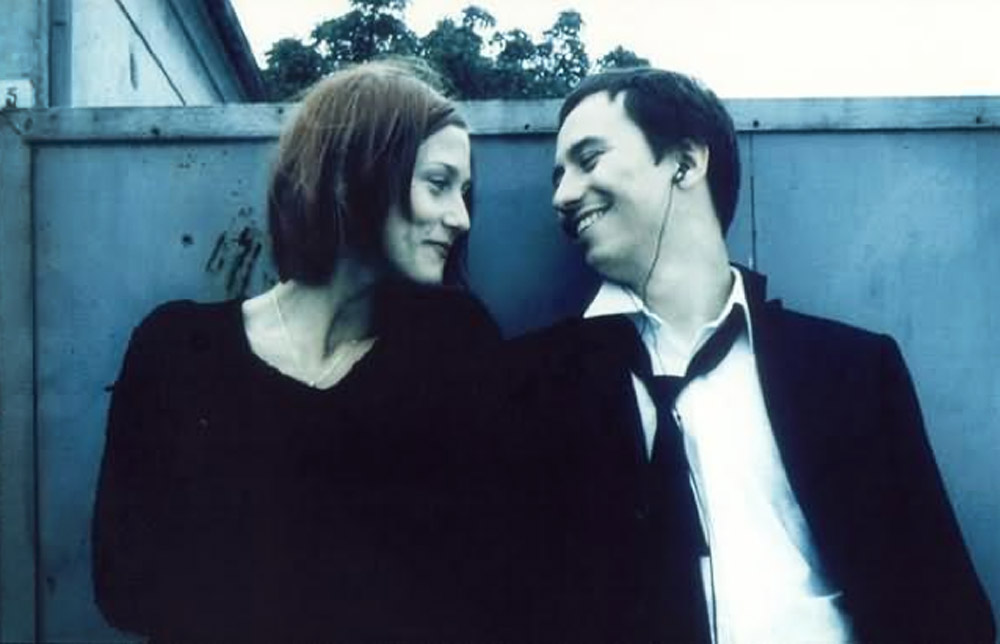
A scene from Louder than the Bombs, photo: Traffic Films
While a majority of filmmakers of the late 1990s depicted Poland as an unbearable place to live, Przemysław Wojcieszek presented an entirely different vision. The main character of his film is a young man who convinces his girlfriend to give up the idea of travelling to the US, and to stay with him in his home town. Wojcieszek blends an anarchistic tone with a positivist message, while convincing viewers that it's possible to create a place to live a life of one's own in Poland. Tomasz Turyn wrote in his review for the Gazeta Wyborcza daily:
A strong voice of the young generation. Instead of whining about the "poverty of the estates" or entanglement with failed formal experiments, we finally have a film with some nerve, an interesting story, and an anarchist spirit, as well as a somewhat black sense of humour.
You Are God, dir. Leszek Dawid, 2012 – A voice from the block